Infinix Note 50 Pro 4G Review
Introduction
Infinix has launched its next generation of midrange smartphones - the Note 50 series. There are three models differing mostly in performance and camera hardware - the Note 50, the Note 50 Pro 4G, and the Note 50 Pro+. Today, we are going to meet the most balanced of the trio - the Note 50 Pro 4G.
The Inifnix Note 50 Pro declares its premium status right from the get-go. It uses aerospace-grade aluminum for the frame, metal rings for its cameras, meticulously sandblasted finish on everything that's not a screen, and the maker even brags with stainless steel cooling system on the inside.
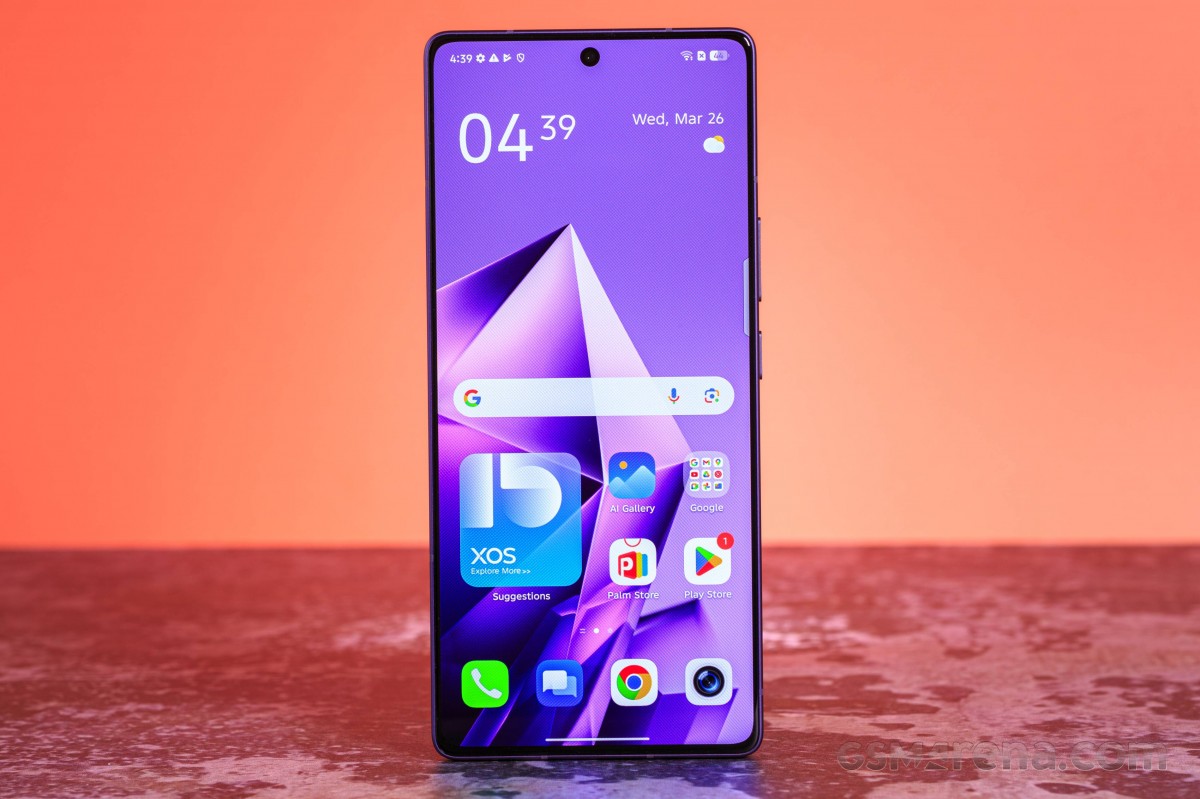
The phone is now IP64-rated for complete dust and splash protection. It is a welcome improvement over the previous models with basic IP53 protection.
The Note 50 Pro introduces an improved 6.78-onch AMOLED with 144Hz refresh rate, 10-bit color depth and 2160Hz PWM dimming. The resolution remains 1080p (2,436 x 1,080).
The smartphone employs the Helio G100 Ultimate chipset with up to 12GB RAM and 256GB UFS storage.
Inifnix has been known for its focus on the cameras and the Note 50 Pro is no different. This Note has three cameras on its back - a 50MP OIS primary for up to 2x lossless zoom, an 8MP ultrawide, and a small flicker sensor.
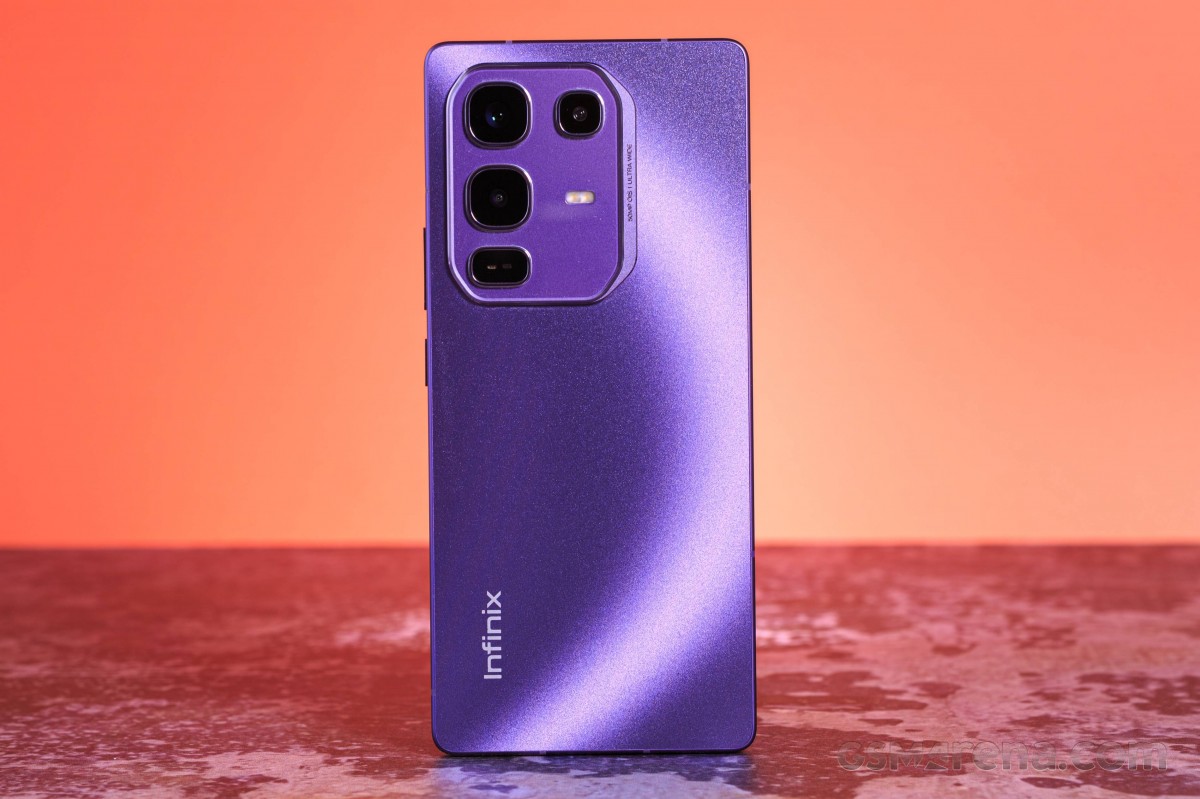
The Halo lighting on the back is a signature feature (Bio-Active Halo AI Lighting is the complete name, if you must know). It flashes in different colors and acts as a notification, charging, camera status light, and inside it contains sensors for measuring your heart rate and SpO2 level.
The Note 50 Pro packs a 5,200mAh battery that's capable of 90W wired and 30W of wireless charging. It also supports reverse wired and wireless charging, and even bypass charging option for gaming or video playback.
The phone runs on the latest Android 15 with XOS 15. Infinix promises 2 major Android updates and 3 years of security patches.
Infinix Note 50 Pro 4G specs at a glance:
- Body: 163.3x74.4x7.3mm, 198g; Glass front, aluminum frame; IP64 dust tight and water resistant (water splashes), Aerospace-Grade Aluminum, RGB notification light (on the back).
- Display: 6.78" AMOLED, 1B colors, 144Hz, 1300 nits (peak), 1080x2436px resolution, 20.3:9 aspect ratio, 393ppi; Always-On Display.
- Chipset: Mediatek Helio G100 Ultimate (6 nm): Octa-core (2x2.2 GHz Cortex-A76 & 6x2.0 GHz Cortex-A55); Mali-G57 MC2.
- Memory: 256GB 8GB RAM, 256GB 12GB RAM; UFS 2.2.
- OS/Software: Android 15, up to 2 major Android upgrades, XOS 15.
- Rear camera: Wide (main): 50 MP, f/1.9, 1/1.57", 1.0µm, PDAF, OIS; Ultra wide angle: 8 MP, f/2.2, 15mm, 112˚.
- Front camera: 32 MP, f/2.2, (wide), 1/3.1".
- Video capture: Rear camera: 1440p@30fps, 1080p@30/60/240fps; Front camera: 1080p@30fps.
- Battery: 5200mAh; 90W wired, 100% in 38 min, 30W wireless MagCharge, 10W Reverse wired, Reverse wireless, Bypass Charging.
- Connectivity: LTE; Wi-Fi 5; BT 5.4; NFC; FM radio; Infrared port.
- Misc: Fingerprint reader (under display, optical); stereo speakers; Virtual proximity sensing.
The Infinix Note 50 Pro 4G sounds like the perfect all-rounder. Well, almost. The most obvious omission is stated right there, in its name - 4G. We would have liked it even better with a 5G-capable chipset, but we guess the fastest cellular connectivity is reserved for the more expensive Note 50 Pro+ model.
Unboxing the Infinix Note 50 Pro 4G
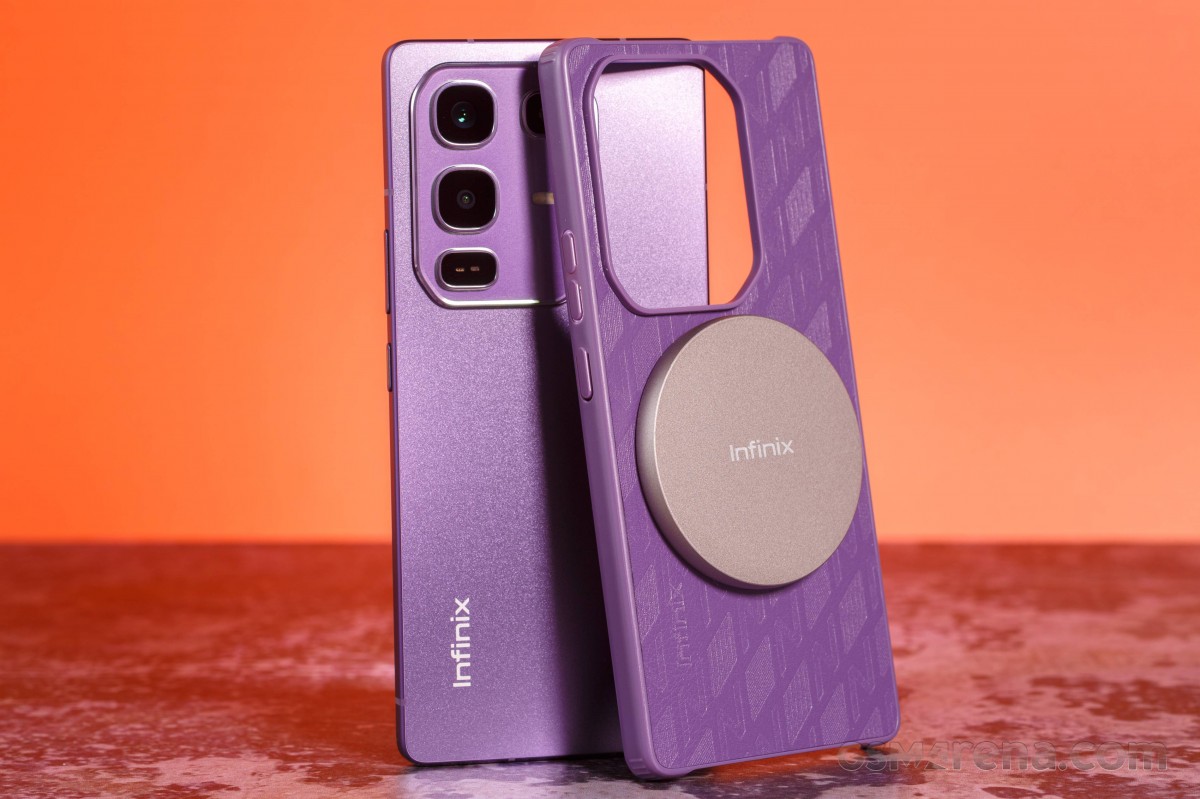
Here is a feast for sore eyes! The retail box of the Infinix Note 50 Pro 4G is a treatment you just cannot find these days. Inside, you will find a premium case with matching colors, faux-leather finish and subtle N insignia. It is a MagCharge friendly case, and in fact, it's the only one to get the Infinix MagPad click properly, as the phone does not contain magnets like the iPhones.
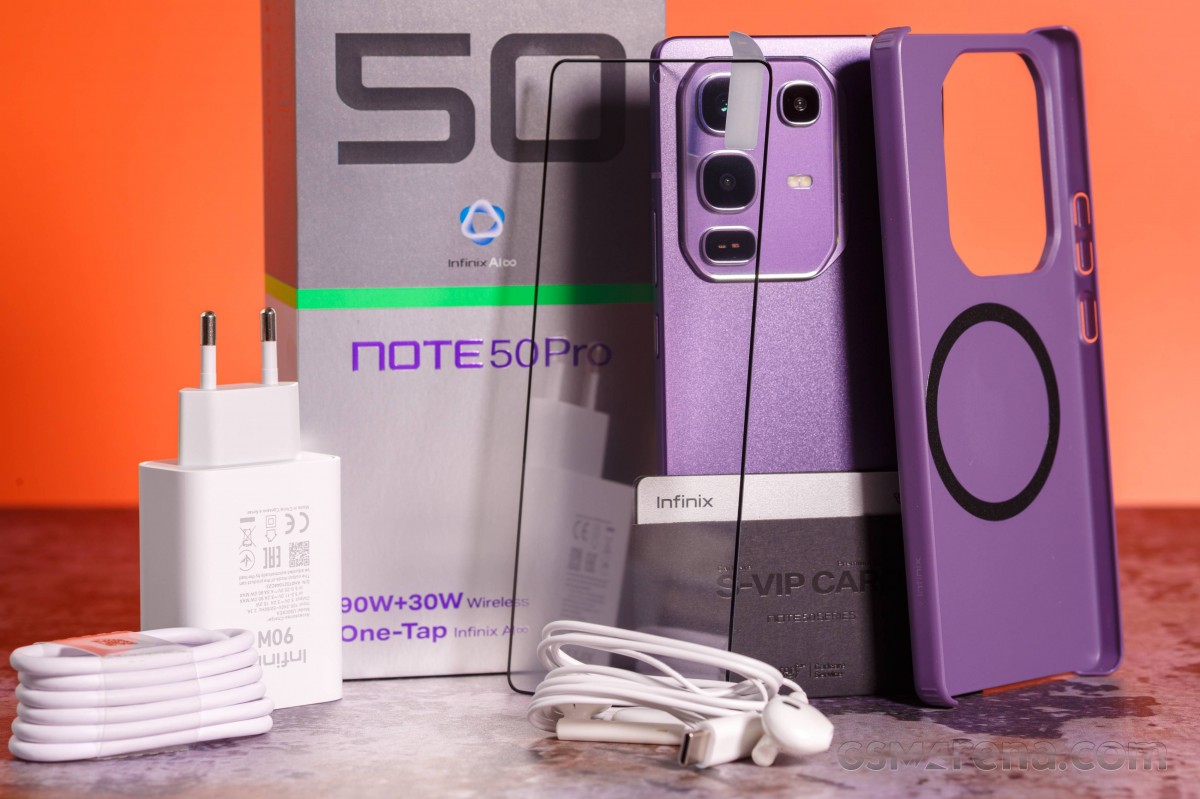
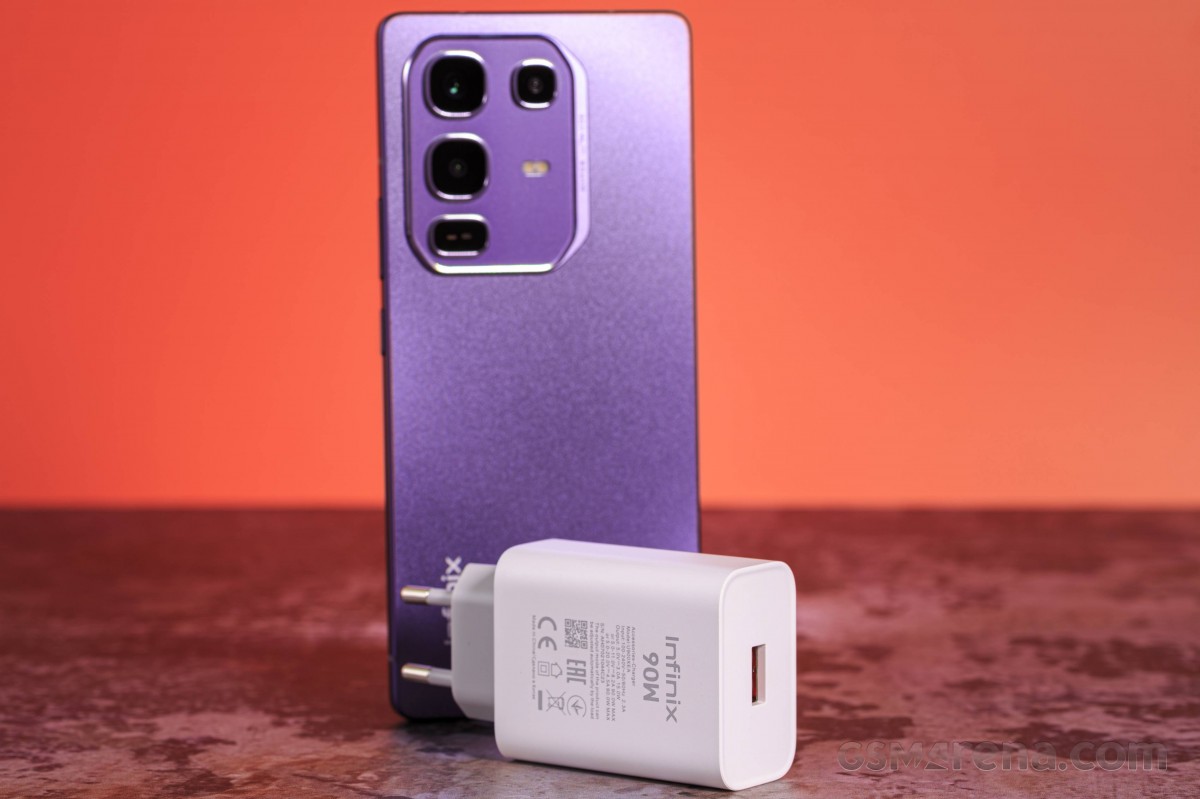
The bundle contains a 90W power adapter, a USB-A-C cable, and a comfortable wired USB-C headphones with mic and volume controls.
There is more! Infinix has also packed a glass protector, you just need to apply it by yourself.
Design, build quality, handling
The Infinix Note 50 Pro 4G is a thoughtfully designed and crafted smartphone with both looks, grip and handling in mind. It has a flat glass front, a flat metal frame with subtle 2.5D finish, and a beautiful plastic back.
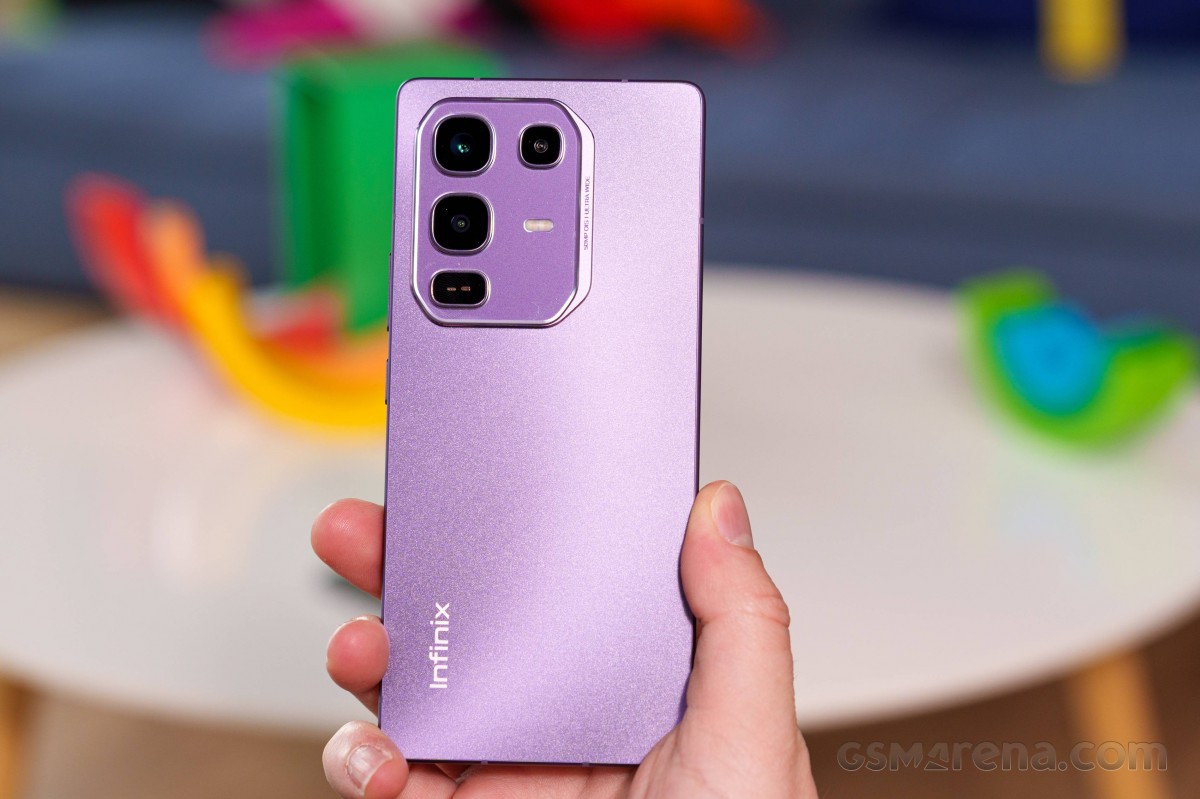
The Note 50 Pro is IP64-rated for complete dust and splash protection, up from IP53 on the previous Note 40 Pro model.
There is no official confirmation on the screen's glass maker, though some reports suggest it's Gorilla Glass by Corning. But Infinix has made a big deal out of the frame's alloy. See, it's called ArmorAlloy Metal, supposedly merging Damascus Steel and aerospace-grade aluminum. We are not really sure how steel and aluminum blend together, but hey, it sounds cool, doesn't it?
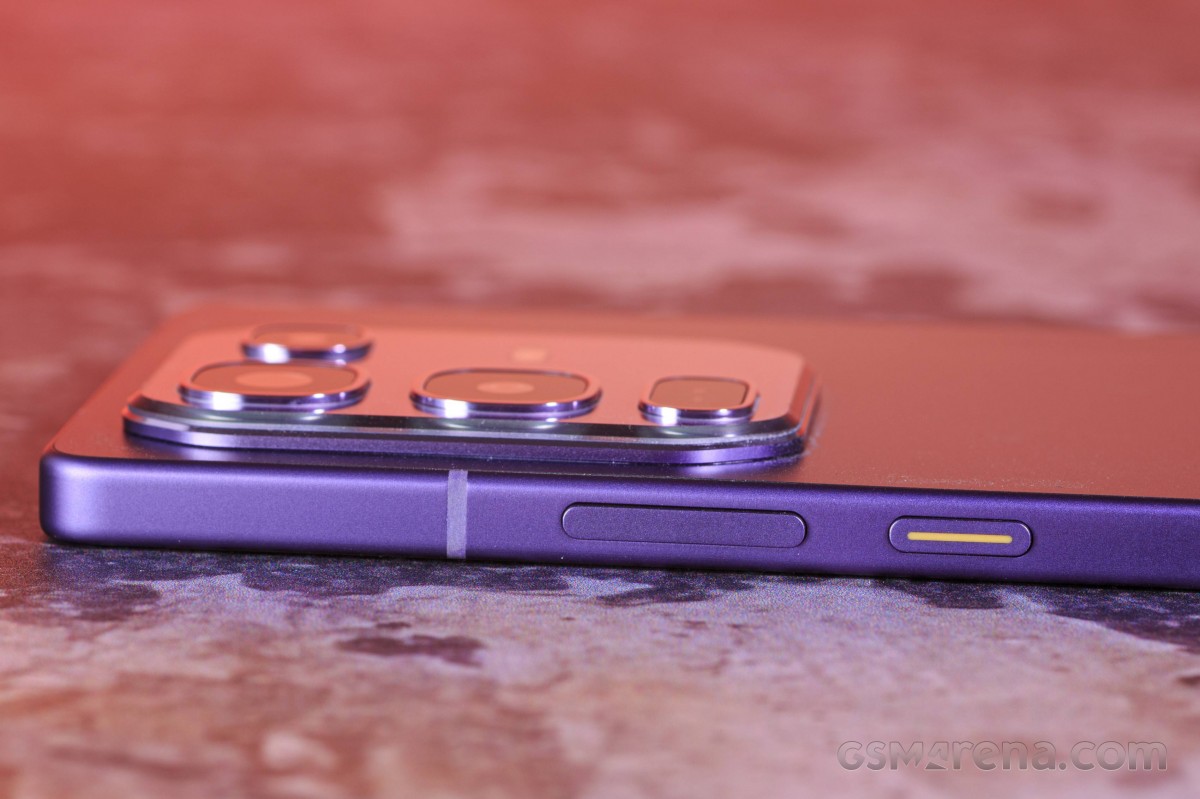
Anyway, the Note 50 Pro also has metal rings around the cameras and on the inside, for heat dissipation purposes.
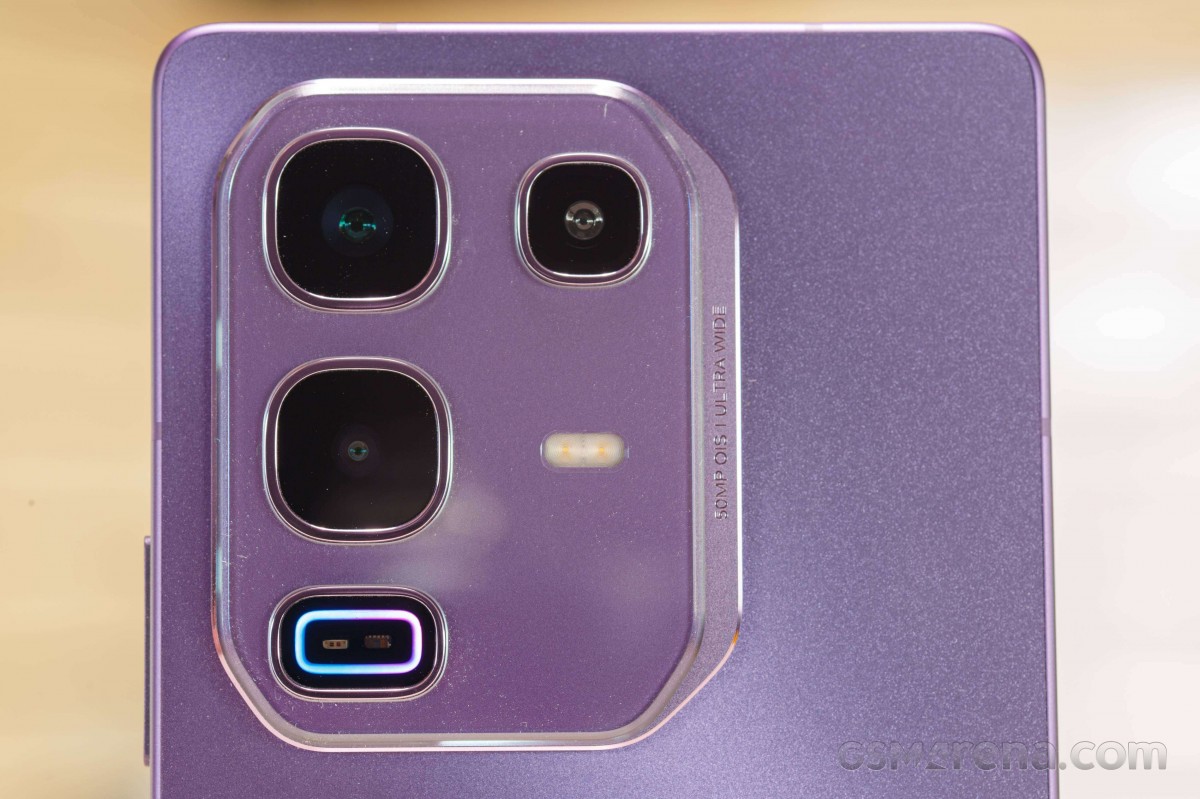
The back is made of plastic, but if you want to spice it up, you can put on the matching bundled case with an eco-leather finish.
Both the back and the frame feature a sandblasted finish and purple color. You can also get the Note 50 Pro in gray, racing gray, or black.
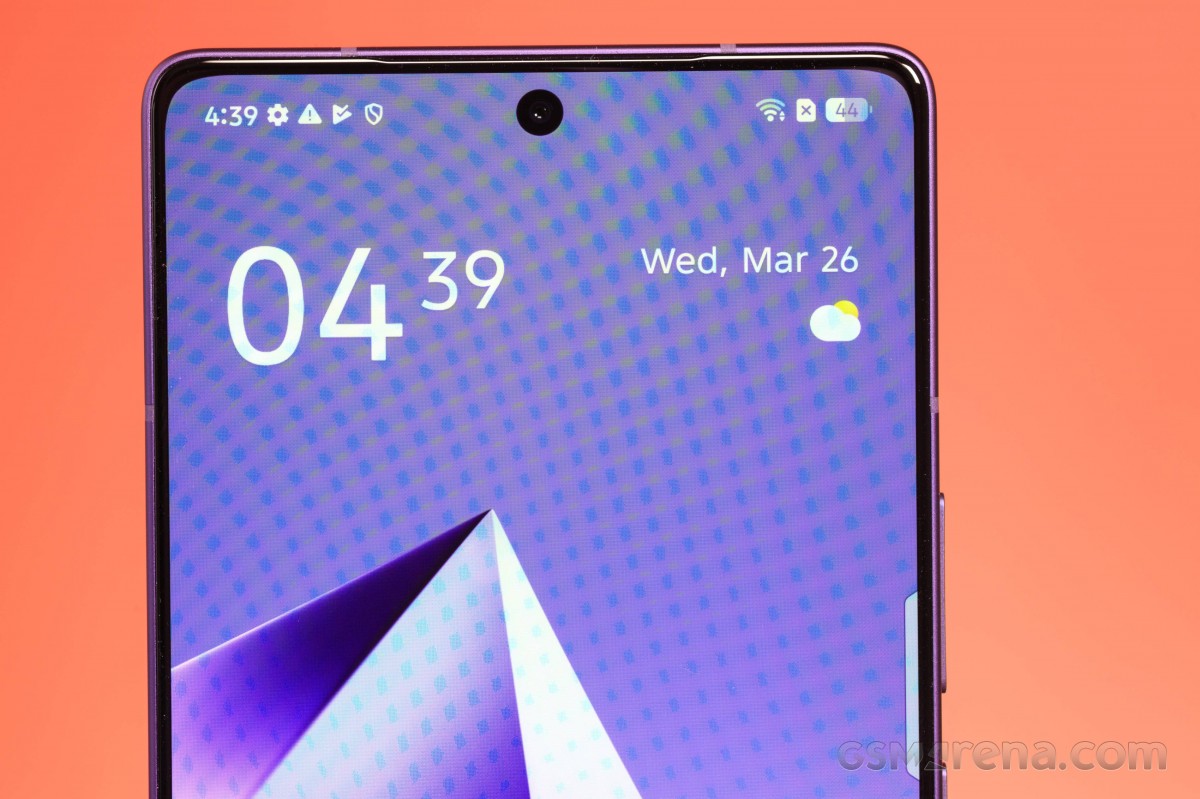
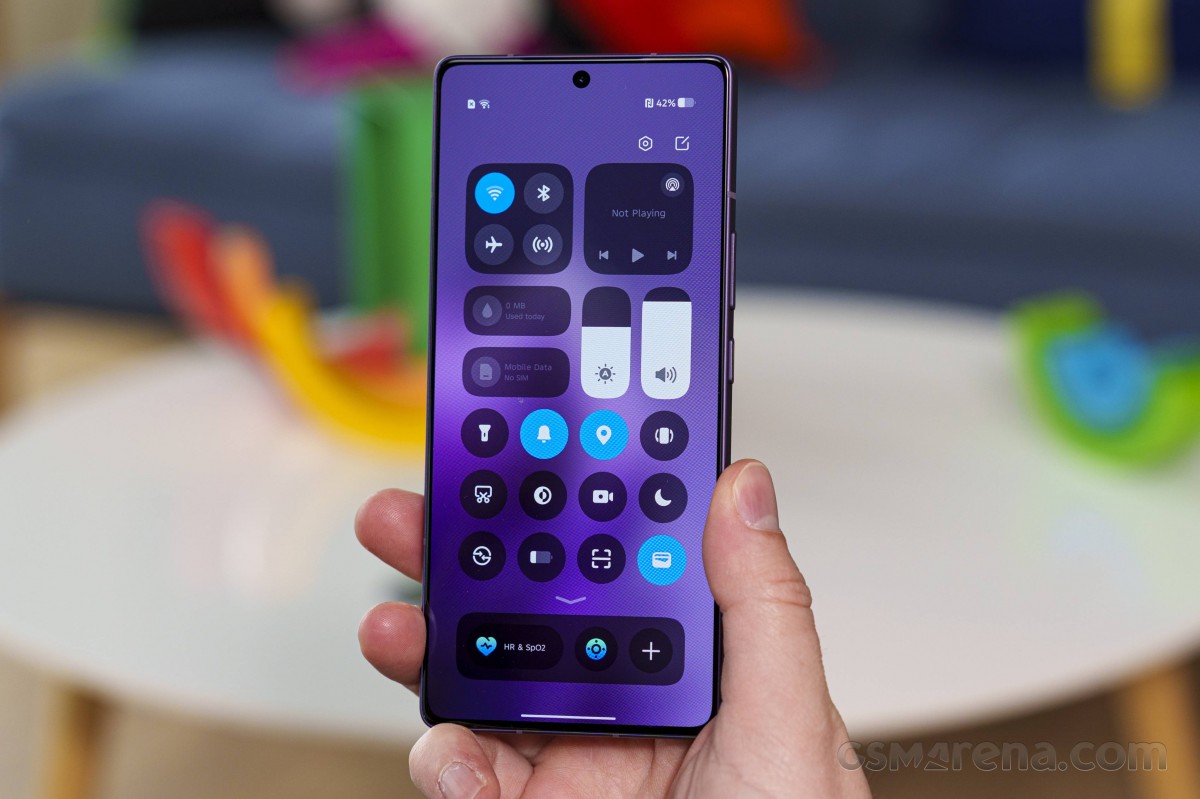
The front is all screen, naturally. Here you can see the 6.78-inch AMOLED with evenly thin bezels and a small punch hole for the 32MP selfie camera. There is no LED flash for the selfie camera this year.
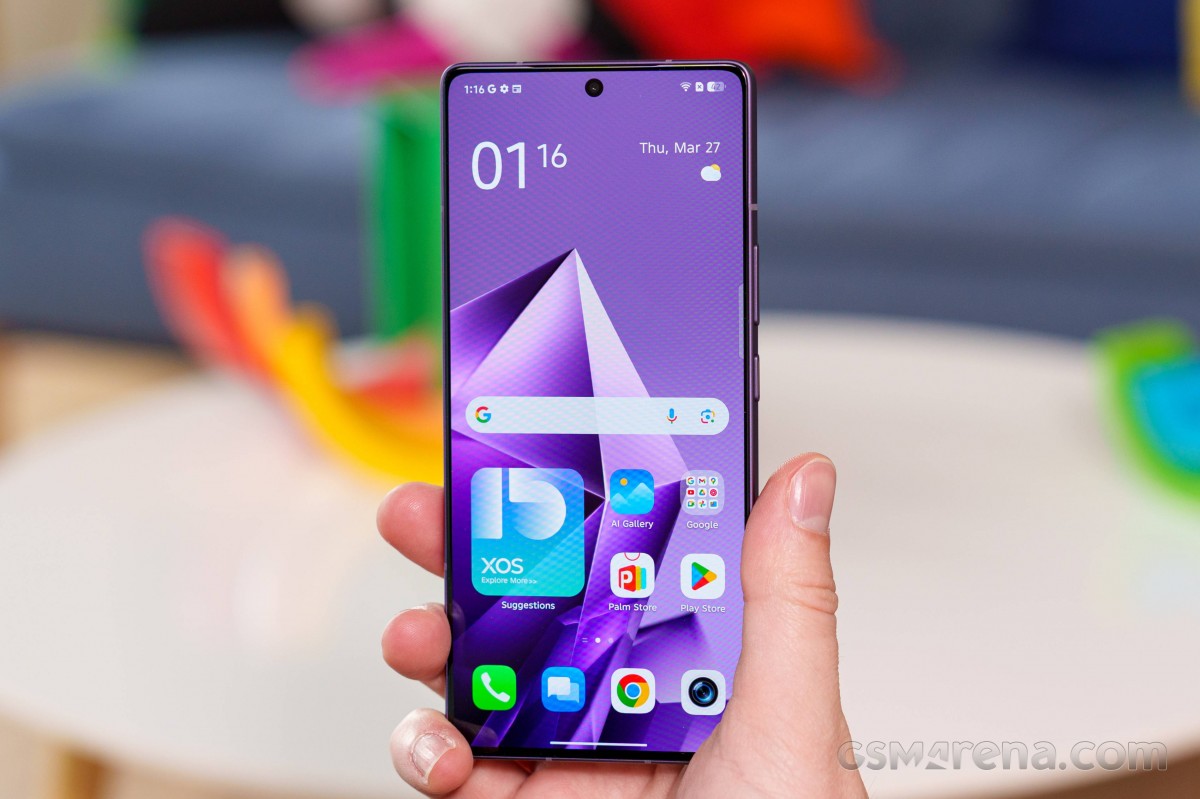
What's hidden to the naked eye is the optical fingerprint scanner under the screen, which works very well.
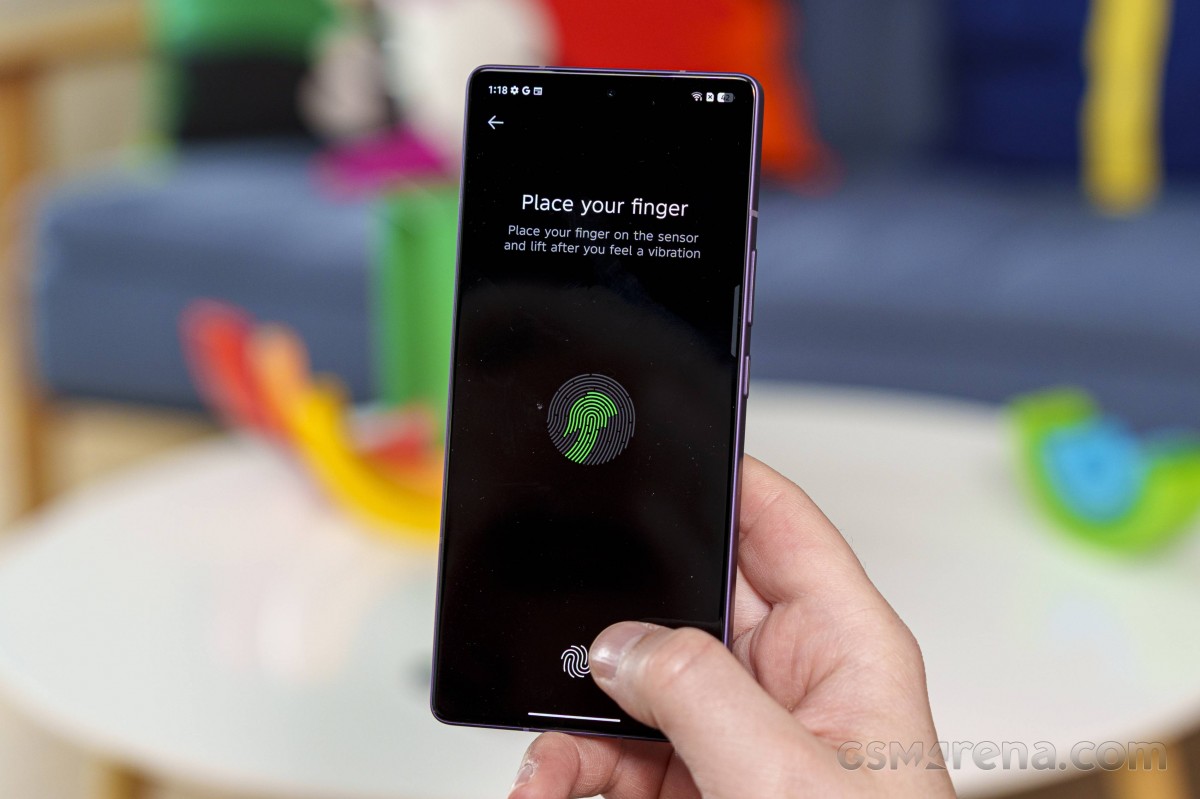
There is no hardware proximity sensor on the Note 50 Pro, the phone relies on a virtual one instead. It works rather well most of the time, but some wrong assumptions were made by it a couple of times, as usually happens with this sort of solution.
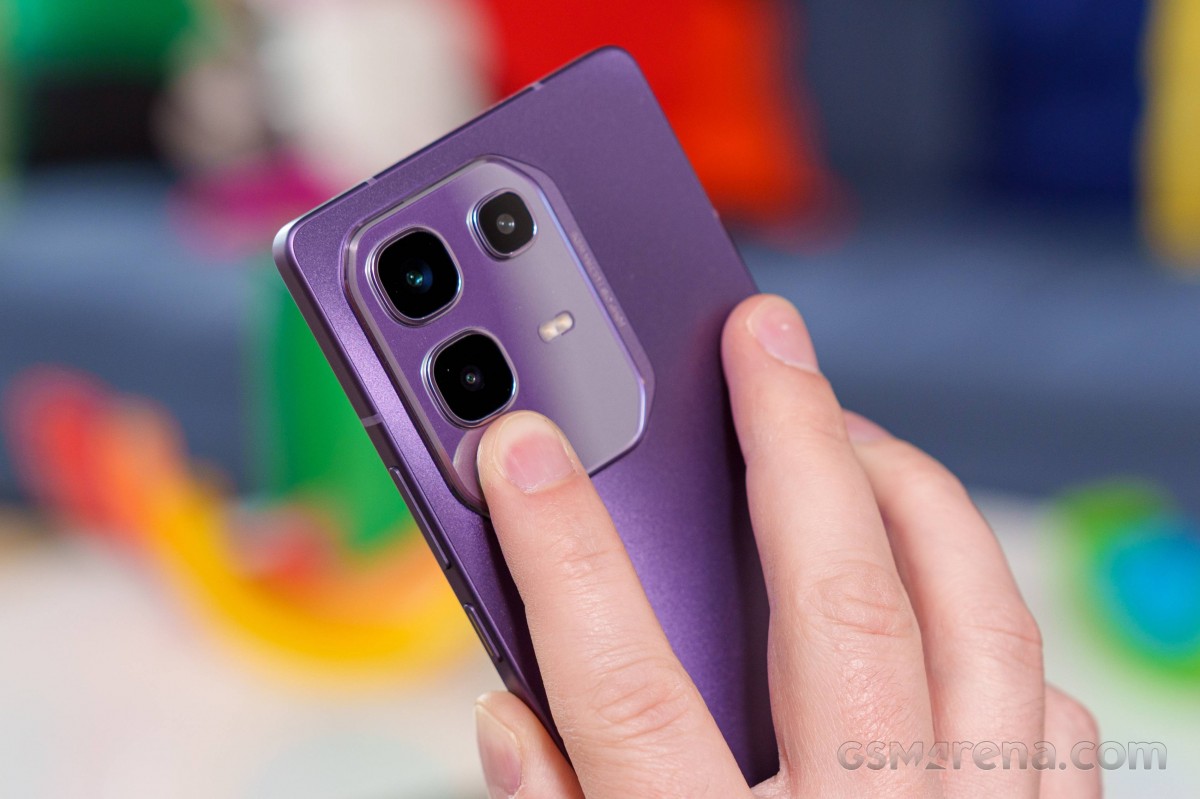
The back panel is clean and beautiful. It has an octagonal camera housing sticking out of the back. This rather large camera island contains the 50MP primary, the 8MP ultrawide and a flicker sensor, all surrounded with metal rings.
The fourth ring is where it gets a bit unusual - it houses a combo of a heart rate sensor and a ring notification light. You can measure your heart rate and SpO2 by putting your index finger there for a short while. At all other times, a colorful ring light will light up in this area to notify you of notifications, charging status, camera status, etc.
Finally, a dual-LED flash can also be seen around the cameras.
The metal frame is super nice to touch. It has two JBL-tuned speakers - one at the top and another one at the bottom. There are also two microphones, similarly placed.
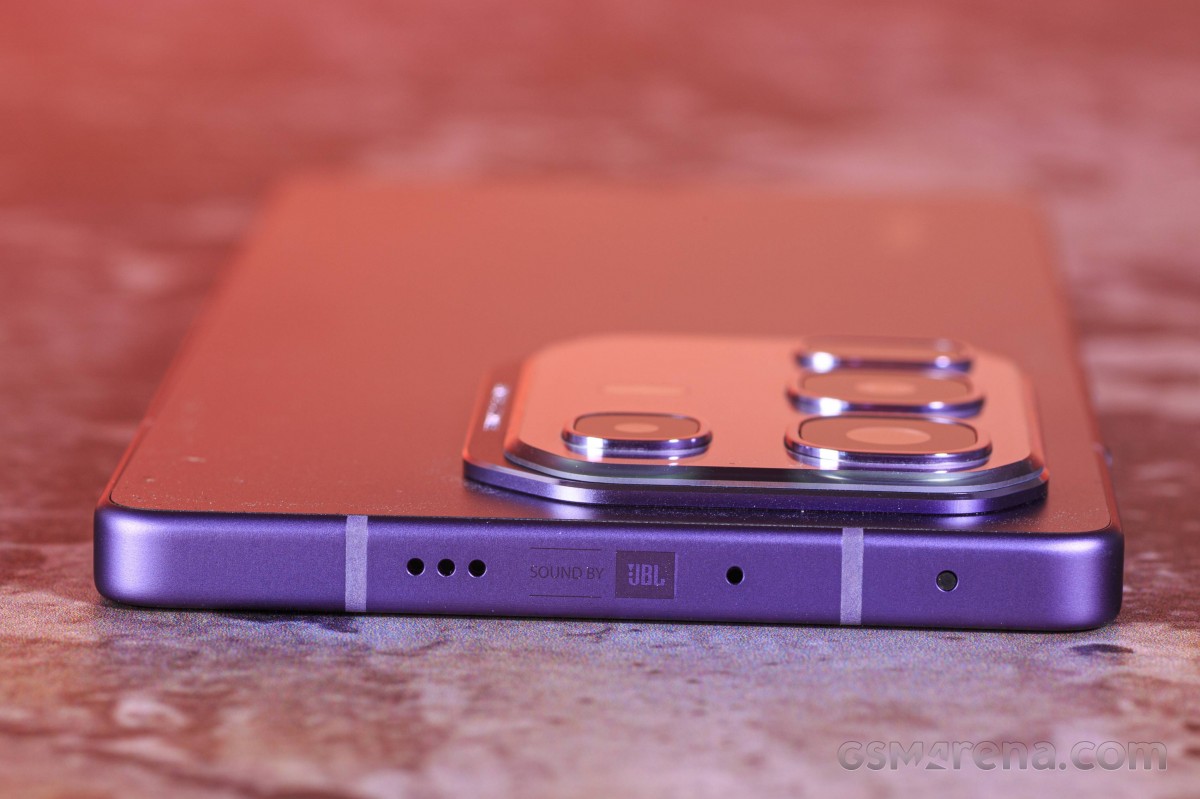
There is an IR blaster at the top, a small feature appreciated by many.
Down at the bottom, the dual SIM tray does not support microSD cards, if you were wondering.
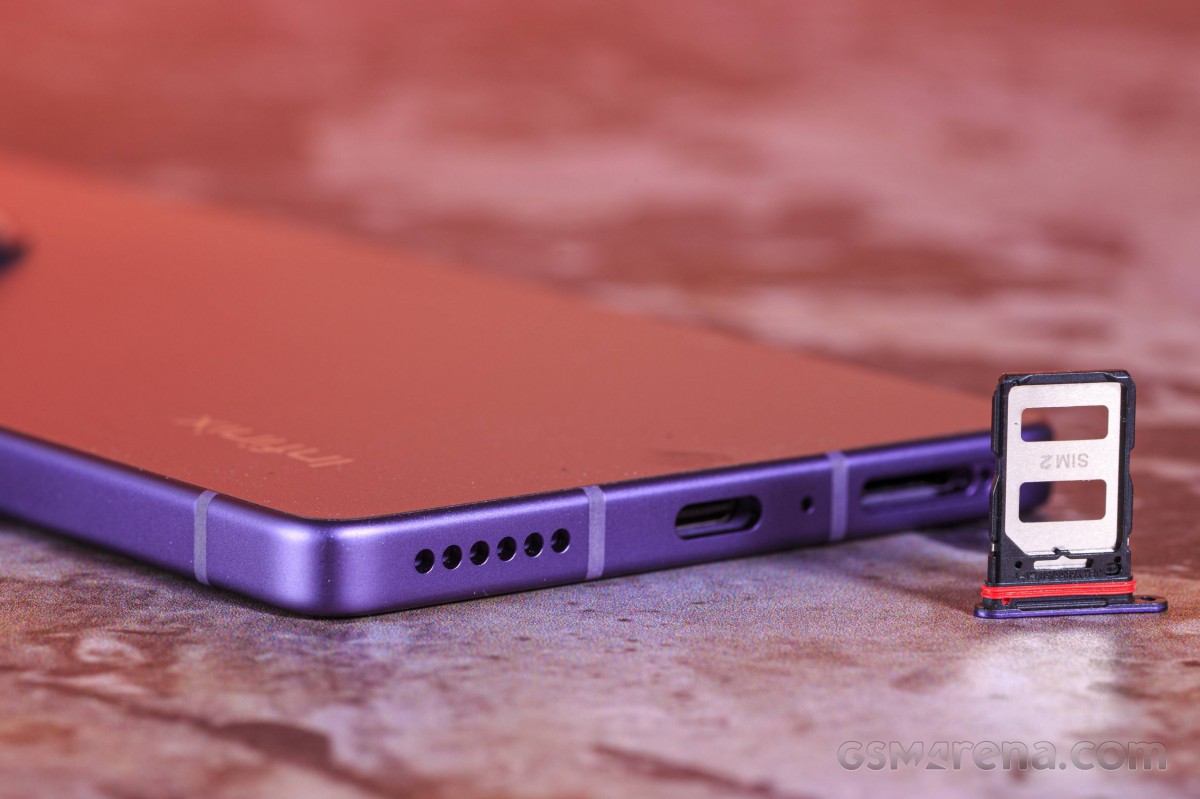
The Note 50 Pro measures 163.3 x 74.4 x 7.3 mm and weighs 198 grams, in line with most of the similarly sized smartphones nowadays.
The flat frame provides excellent grip, balancing the rather slippery back. And the entire sandblasted finish is fingerprint and smudge resistant, a cool thing to have on a smartphone.
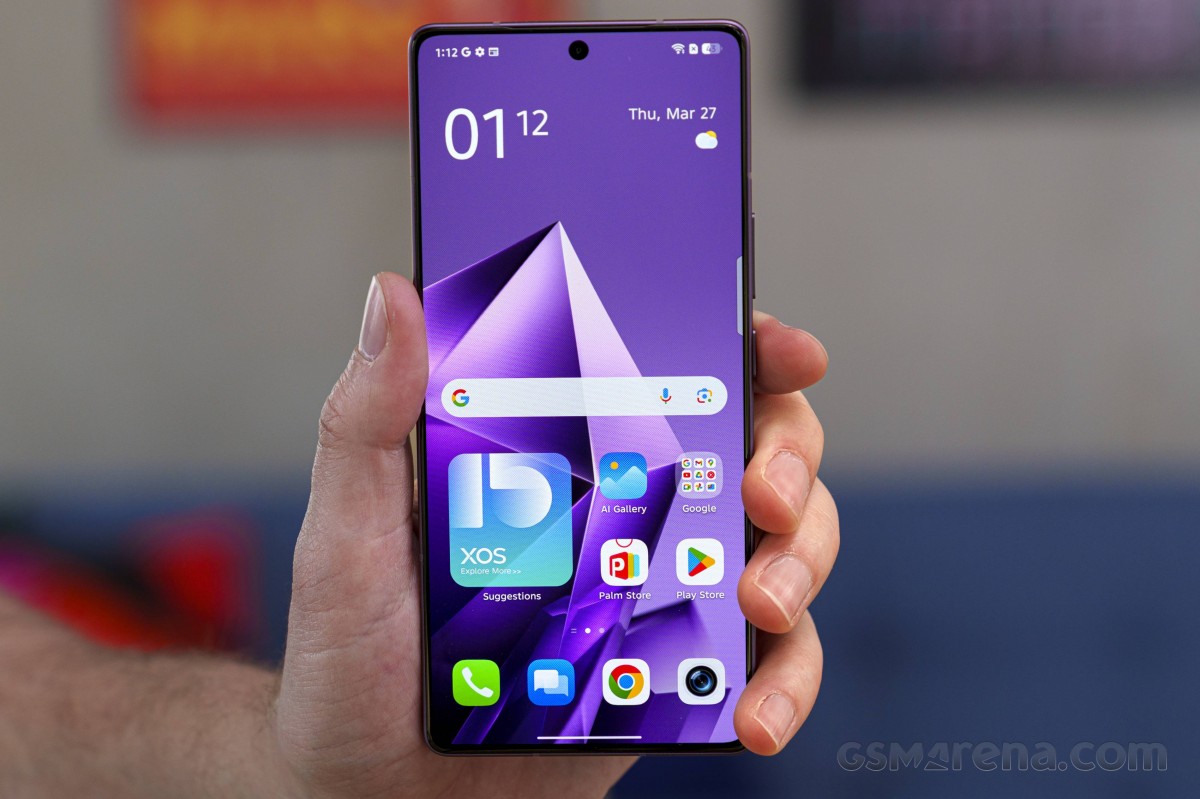
We are left with positive impression from our time handling the Note 50 Pro. It's a well-built device, with clean looks, comes with beautiful color options and it offers a secure enough grip. The improved water and dust protection is much appreciated, too.
Display
The Infinix Note 50 Pro 4G features a 6.78-inch AMOLED screen with 2,436 x 1,080 pixels resolution (393ppi). The panel supports 10-bit color depth and 144Hz refresh rate, 180Hz touch sampling, 2160Hz PWM dimming, as well as DCI-P3 color space coverage.
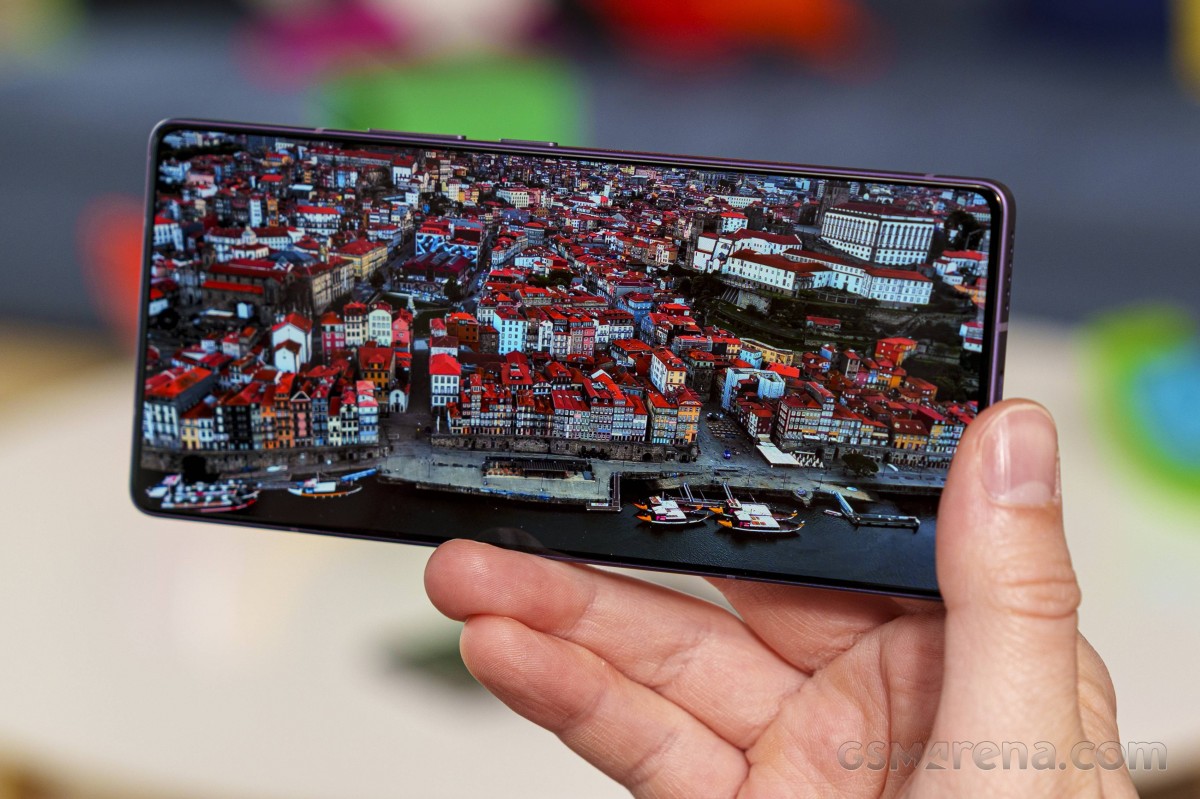
The advertised numbers are 550nits for typical, 1,000nits for high maximum, and 1,300 nits for peak brightness.
Let's start with our max brightness measurements. We captured 556 nits of maximum manual and 1,054 nits of maximum automatic brightness (with sunlight boost ON). These numbers are in line with the advertised ones.
The minimum brightness at white color was 2.1 nits.
The Note 50 Pro 4G supports up to 144Hz refresh rate with Infinix is listing three supported steps - 60Hz, 120Hz and 144Hz.
There are three options - Standard (fixed 60Hz), High (144Hz), and Auto Switch (120Hz). The phone will drop to 60Hz if you don't touch it for a while when using High and Auto - standard behavior.
The only thing missing here from the display specs here is the HDR video support. The phone still comes with Widevine L1 DRM, so you can stream 1080p or more in apps such as Netflix, YouTube, Prime Video.
Battery life
The Infinix Note 50 Pro 4G is powered by a 5,200mAh battery. We have completed our battery life test and the results came out about average. The phone scored an Active Use Rating of 11:26h, which is not bad, but not great either. The call time is fine, and so are the web and video streaming, but the gaming is below the average in this class.
As we said, the times are good, we've just witnessed better.
Charging speed
The Infinix Note 50 Pro 4G supports 90W wired and up to 30W wireless charging. The phone ships with a 90W charger, and you may even get a bundle with a 20W MagPad wireless pad. You can choose between 20W and 30W MagCharge pads on Infinix web store.
Infinix has implemented three charging modes - Hyper, Smart, and Low-Temp. As a default, you can have either Smart or Low-Temp, which is selected from the battery settings. The fastest one, Hyper, is only available from the Lock Screen once you start charging. At first, we thought it a bit of a hassle having to turn on fast charging explicitly every time, but then we realized this setup might be more sparing to the battery longevity while remaining flexible enough for the times you really need the speediest possible charging.
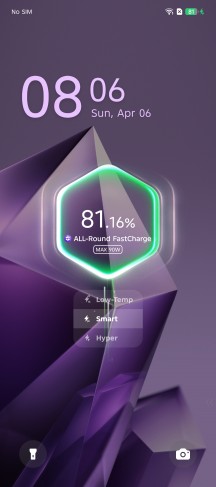
Charging options
And charging here is quite speedy indeed. Using the bundled 90W power adapter and Hyper mode, we clocked 0-88% in 30 minutes and 100% in 37 minutes. The regular Smart mode was a little slower but not shabby either (75% at the half-hour checkpoint, 45 minutes to 100%).
Since our Infinix Note 50 Pro arrived in a bundle with a 20W MagCharge pad, we also gave the wireless charging a go. For the magnets of the puck to align precisely with the phone's induction coil, you'd need to be using the case that's included with the handset (or another compatible one). Using that case is not a requirement for maxing out the speed, it's just a lot easier to align the charging coil correctly that way.
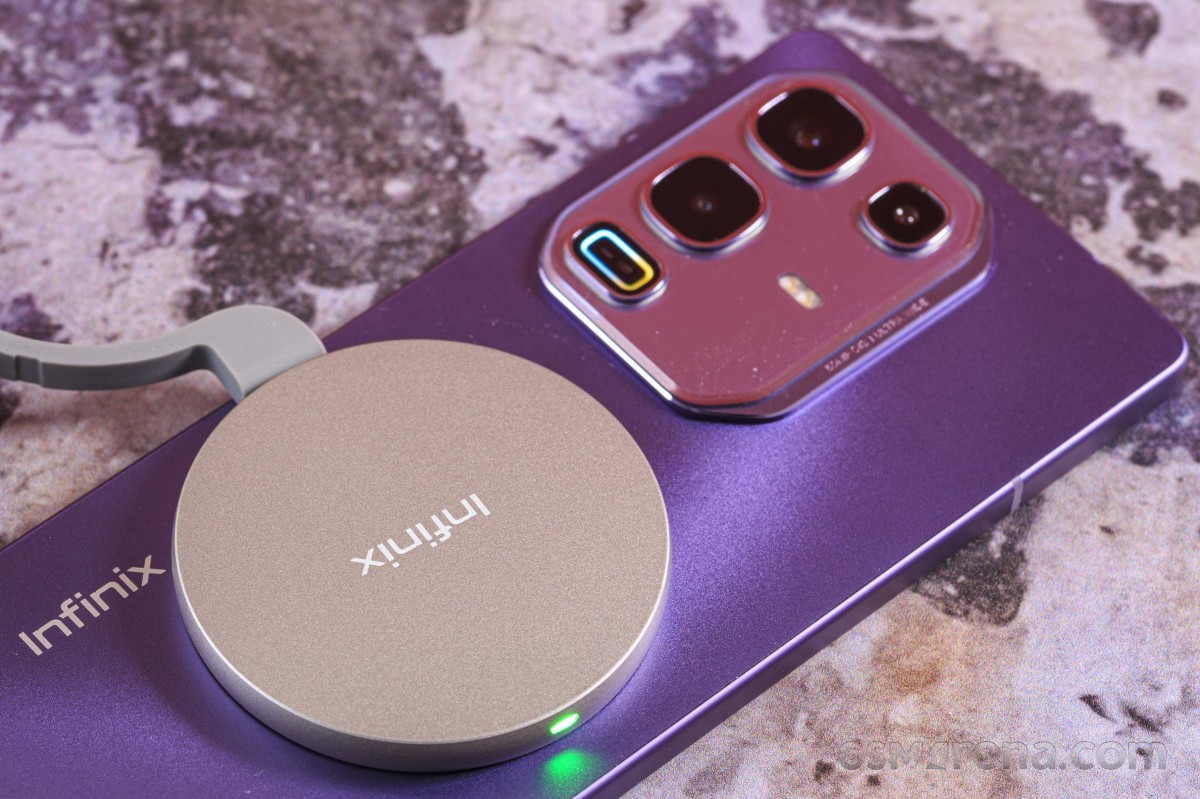
Anyway, the 20W MagPad recharges 31% in 30 minutes and 100% in 1 hour and 51 minutes. You can alternatively buy a 30W MagPad for faster wireless charging.
The Note 50 Pro 4G supports reverse charging too, both wired and wireless. There's also a bypass charging toggle, which will make the phone skip the battery charging circuitry and only draw enough power for its current tasks - could come in handy in extended gaming sessions where the extra heat of the charging process could be detrimental to performance.
Here, there aren't any other options like you'd find on other phones - for example, for limiting the charge to 80% or similar.
Speakers - loudness and quality
The Infinix Note 50 Pro 4G has stereo speakers tuned by JBL, and you can even see the JBL logo at the top of the phone. The two speakers are placed at the top and bottom of the phone, and the one at the top also has a front-facing outlet for earpiece purposes.
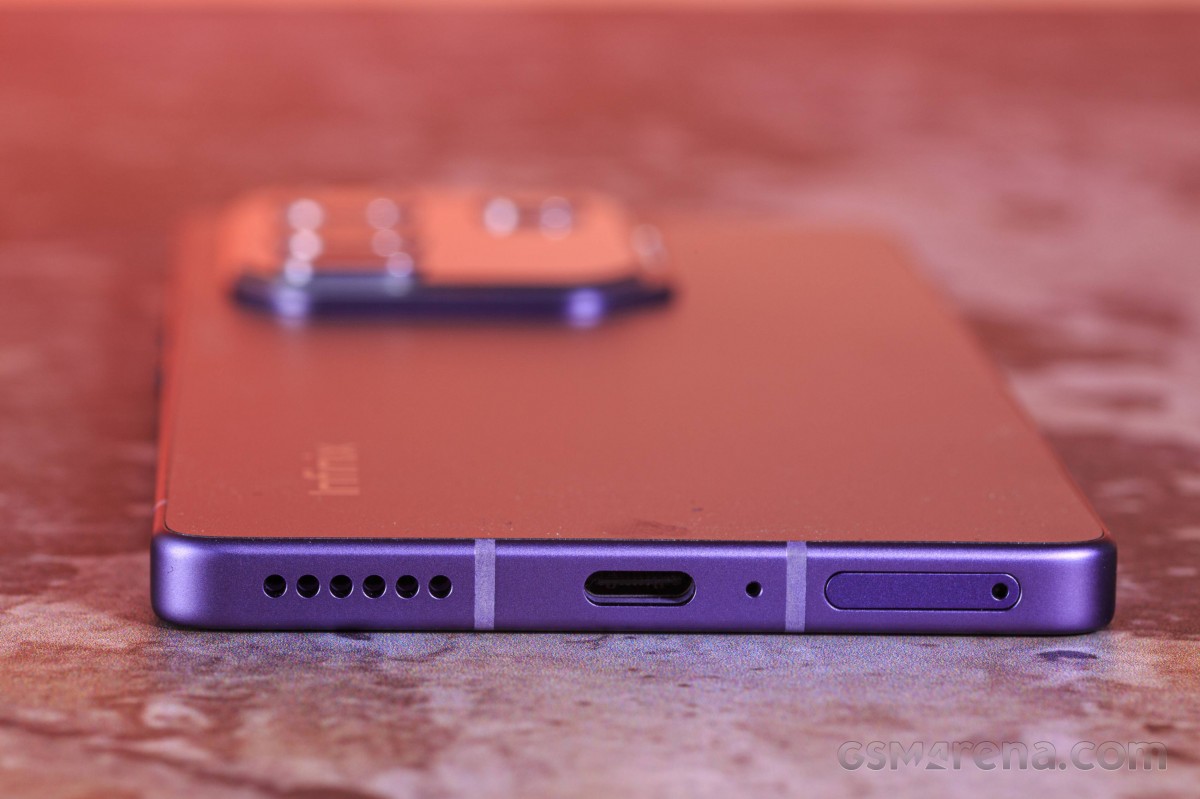
Each speaker plays its own track plus the opposite channel's track at a lower volume, and the phone adjusts the channels depending on its orientation. The bottom speaker is a bit more powerful, as usual.
The speakers on the Note 50 Pro 4G scored a Very Good mark on our loudness test. Their audio quality is average, though. The high frequencies are very well presented, the vocals are alright though nothing impressive, and the bass is almost non-existent.
Use the Playback controls to listen to the phone sample recordings (best use headphones). We measure the average loudness of the speakers in LUFS. A lower absolute value means a louder sound. A look at the frequency response chart will tell you how far off the ideal "0db" flat line is the reproduction of the bass, treble, and mid frequencies. You can add more phones to compare how they differ. The scores and ratings are not comparable with our older loudspeaker test. Learn more about how we test here. 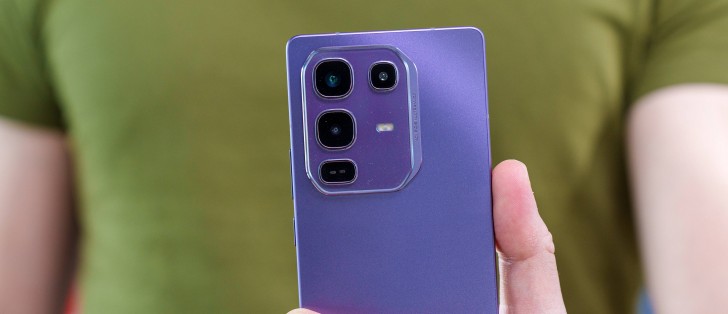
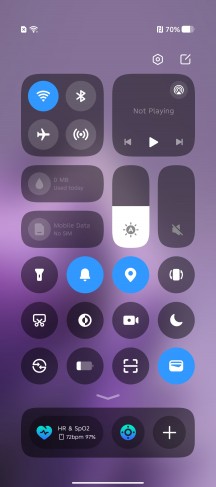
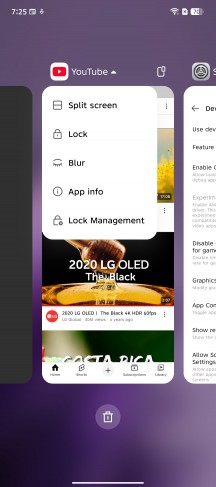
Android 15 with XOS 15
The Note 50 Pro 4G runs Android 15 with Infinix's XOS (also v15) layered on top. The company isn't particularly generous with its software support promises, but it has committed to 2 OS upgrades and 3 years of security updates, which is probably enough for most potential owners.
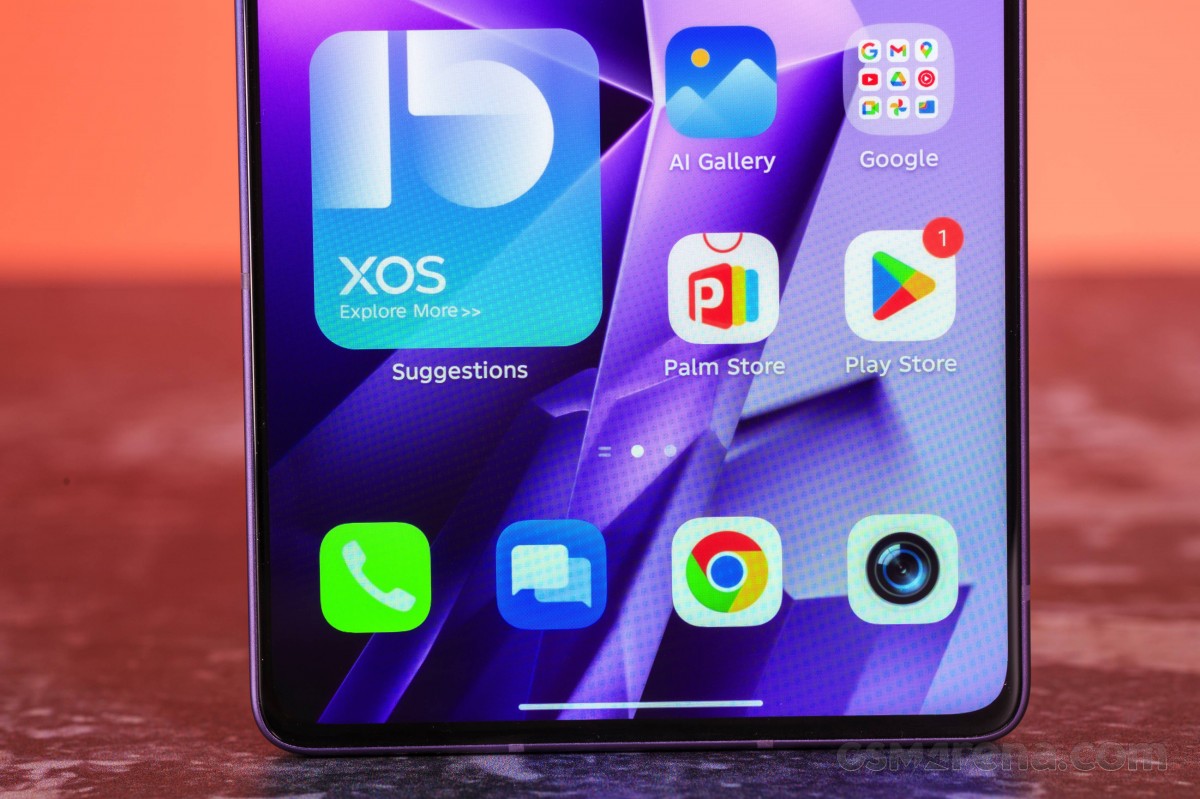
The fundamentals of the UI aren't too different from competing Android overlays, so there won't be any major adjustments needed.
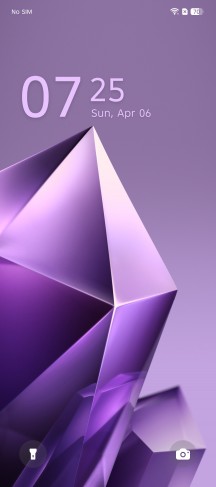
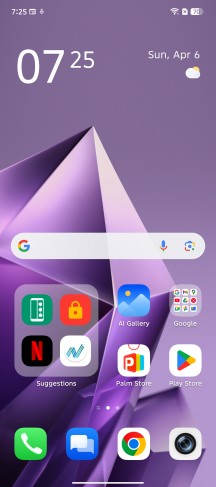
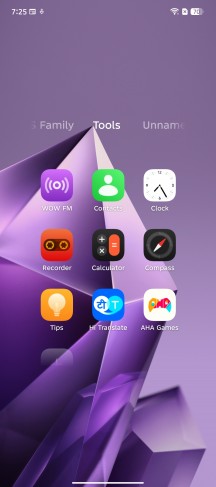
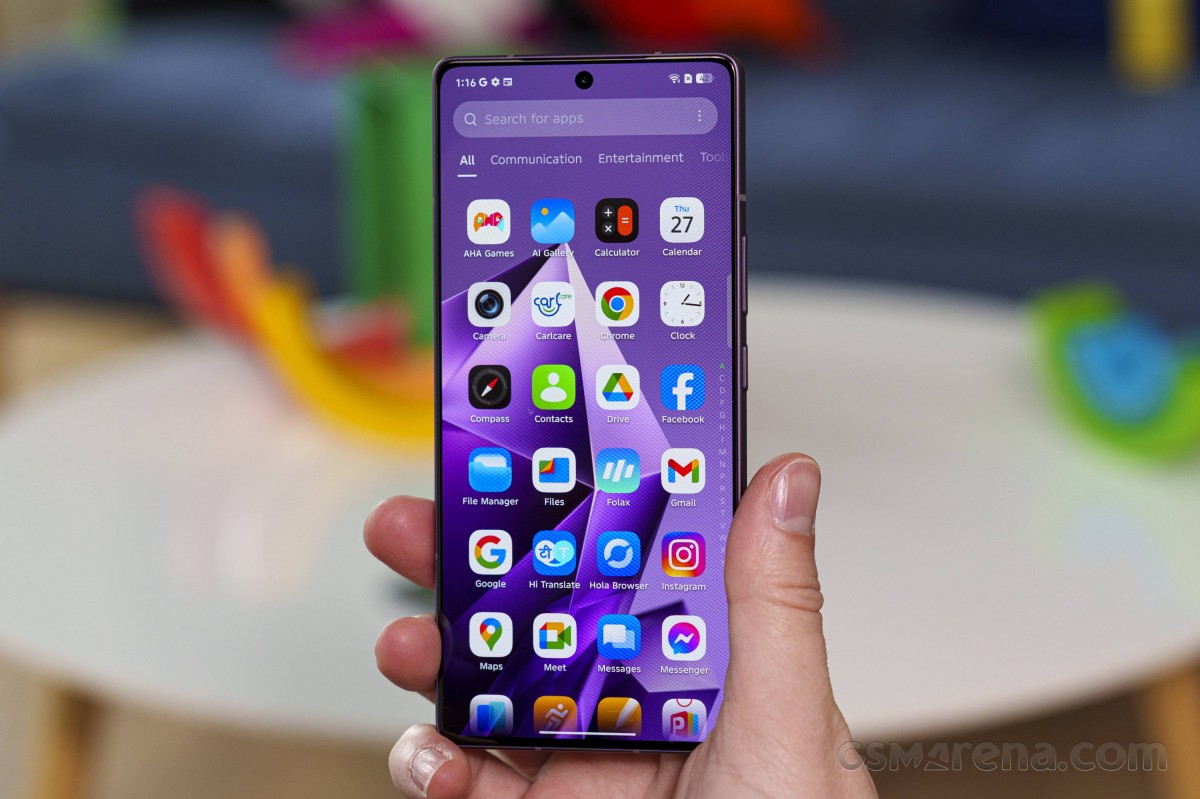
XOS 15 on the Infinix Note 50 Pro
That said, there's an extra twist to the Large folder implementation that we don't remember seeing before - you can have it in a 1x3 icon form factor in addition to the usual 3x3. We asked around, and at least one person at the office found that useful.
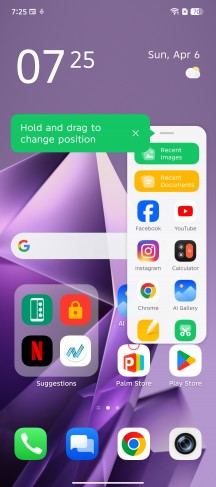
More XOS 15
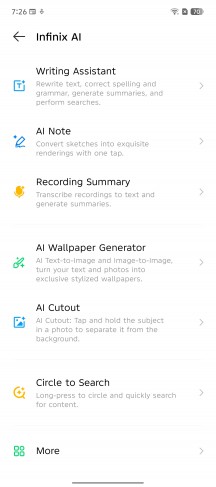
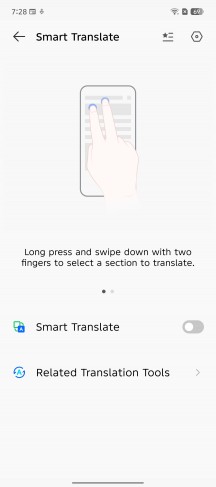
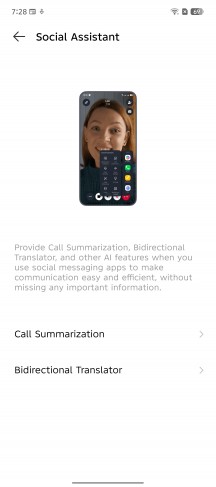
The Note 50 Pro is packed with AI features and just listing them would take a while. It's nice then that there's an Infinix AI menu item in settings where they're all neatly organized. Each feature is detailed, and there are tutorials for most of them right there.
There's an in-house system-wide assistant called Folax, now closely integrated with DeepSeek R1. You can easily switch that to Google Gemini (or alternate between the two if you're into that).


AI stuff
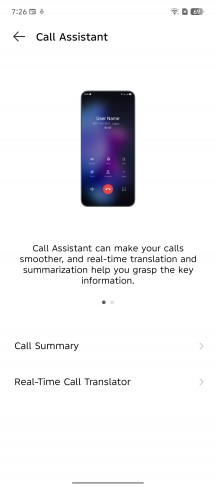
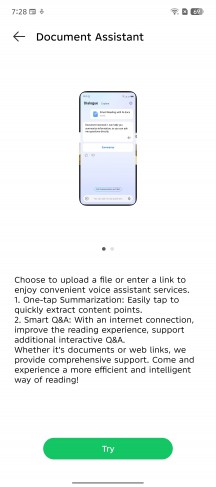
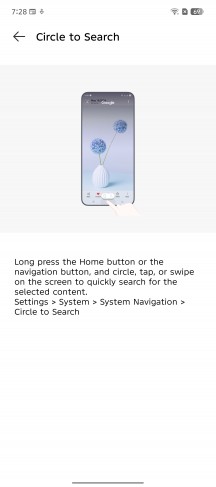
There's text recognition and extraction, audio recording and call summary and translation, wallpaper generation, document assistance (summary, translation, generation) - pretty much everything you can think of. There's also Circle to search, of course.
More AI stuff
The phone allows you to flip a toggle, download the AI model for most of these things and have the processing done on-device. If you're worried about your data going back and forth to the cloud, maybe that's your toggle.
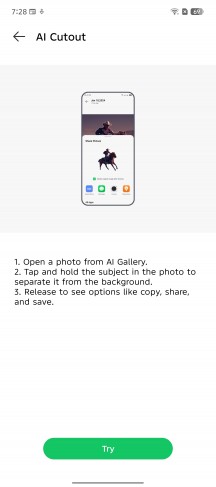
Yet more AI stuff
You can use Ai in the gallery for subject extraction or object eraser, of course.

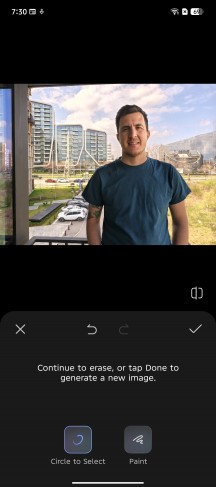

AI in Gallery
With all those AI capabilities on board, you'd think that there would be a bunch of image editing functionality as well, but there's little beyond basic AI object erasing - no reflection removal, or sky enhancement, or anything else.
There's also a quick menu for controlling the Active Halo lighting. You can use it for notifications, charging progress or timer indication, among other things.
The heart rate and blood oxygen level sensor inside the halo, meanwhile, can be used for keeping track on your vitals.
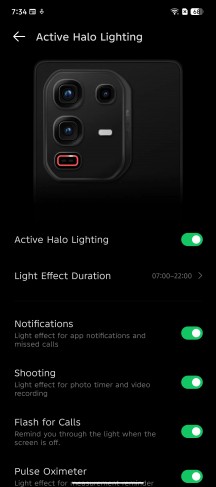
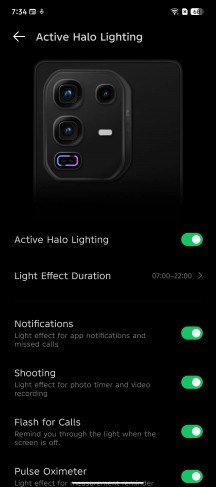
Halo lighting settings
Welife is the app that utilizes the IR emitter. And Health is where you can use the onboard heart-rate/SpO2 sensor.
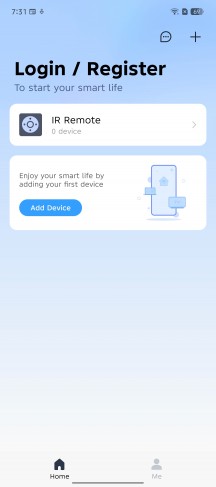
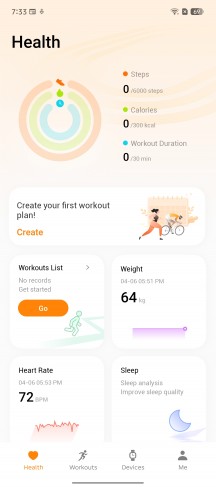
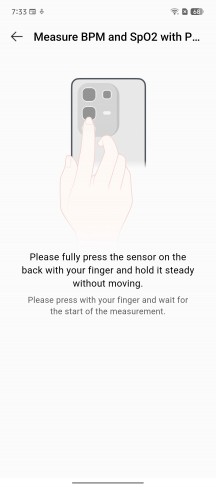
IR options • HR check
Performance and benchmarks
The Infinix Note 50 Pro 4G utilizes the Helio G100 Ultimate chipset (6nm). It contains an octa-core processor with 2x2.2 GHz Cortex-A76 & 6x2.0 GHz Cortex-A55 and the Mali-G57 MC2 GPU. The phone is available in two configurations with LPDDR4X + UFS2.2 storage - 8GB + 256GB and 12GB + 256GB (ours).
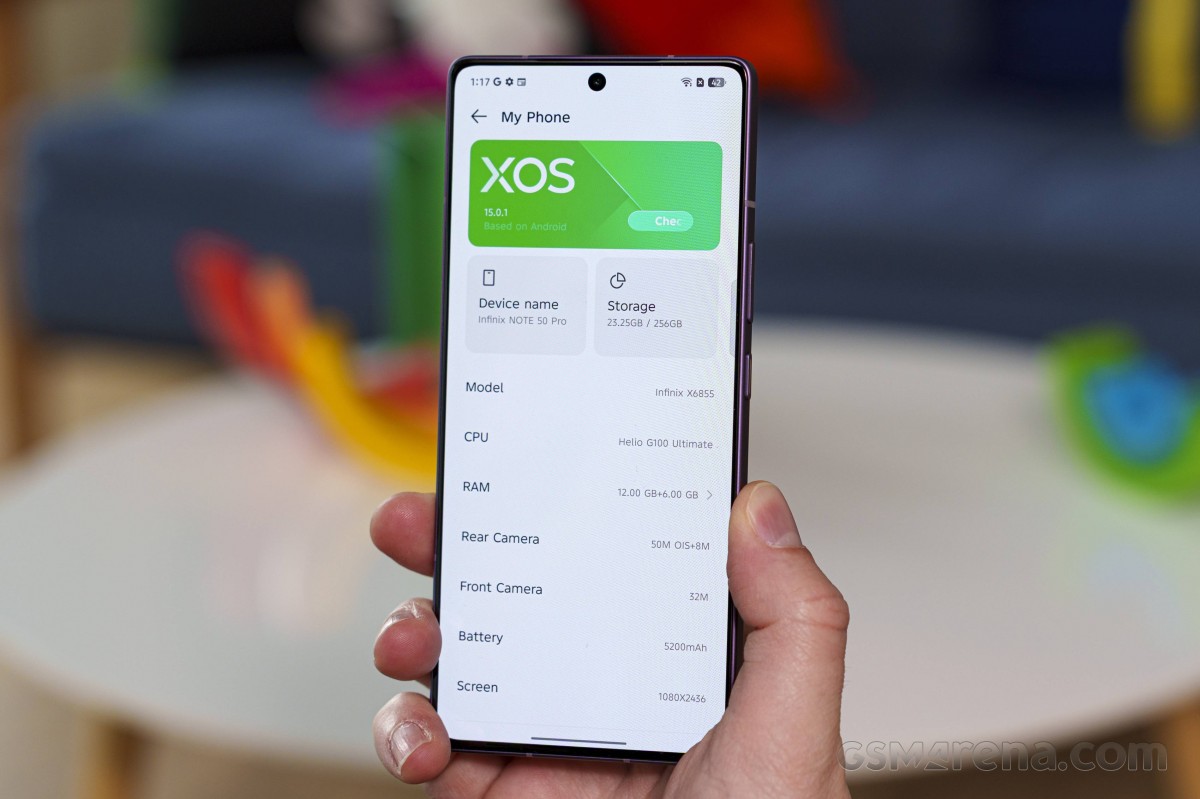
This SoC offers the same processor as the Note 40 Pro's Dimensity 7020, but the GPU here should be more powerful. On the other hand, the Dimensity 7020 has a 5G modem, while the new Note 50 Pro maxes out at 4G connectivity.
And now, let's see some benchmark scores.
GeekBench 6
- Multi-core
- Single-core
 Infinix Note 50 Pro+

 Motorola Edge 50
 Motorola Edge 50 Fusion
 Galaxy A36
 Redmi Note 14 Pro 5G
 Galaxy A26
 Infinix Note 40 Pro+
 Galaxy A25
 Redmi Note 14 Pro 4G
 Infinix Note 50 Pro 4G
AnTuTu 10
Infinix Note 50 Pro+
Motorola Edge 50
Redmi Note 14 Pro 5G
Galaxy A36
Motorola Edge 50 Fusion
Galaxy A26
Galaxy A25
Infinix Note 40 Pro+
Infinix Note 50 Pro 4G
Redmi Note 14 Pro 4G
3DMark - Wild Life Extreme (2160p)
Infinix Note 50 Pro+
 Redmi Note 14 Pro+
Galaxy A36
Redmi Note 14 Pro 5G
Motorola Edge 50
Galaxy A26
Motorola Edge 50 Fusion
Galaxy A25
Infinix Note 50 Pro 4G
Redmi Note 14 Pro 4G
Redmi Note 14 Pro+
Galaxy A36
Redmi Note 14 Pro 5G
Motorola Edge 50
Galaxy A26
Motorola Edge 50 Fusion
Galaxy A25
Infinix Note 50 Pro 4G
Redmi Note 14 Pro 4G
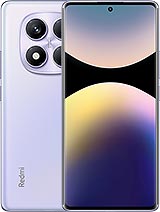
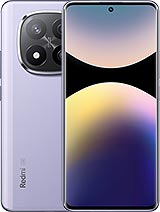
Unfortunately, the scores of the Note 50 Pro 4G are uninspiring. The phone matches the performance of the most current Redmi Note 14 Pro 4G, which uses the same chipset, which is not an achievement to brag with.
The Infinix Note 50 Pro 4G is trailing behind the competition even of it offers adequate performance and smooth UI experience even at 144Hz refresh rate. It can do basic gaming, but that's it. AI tasks run well, too, but they do take at least 15 seconds.
On a positive note, there is no CPU or GPU throttling happening even after long stress tests, which is good.
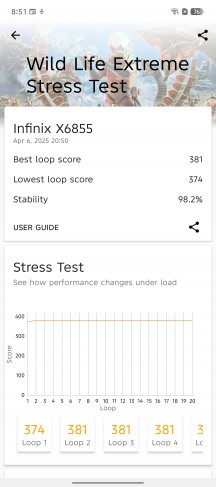
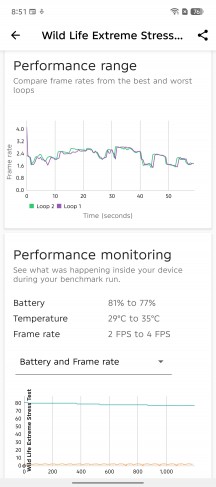
CPU test • GPU test
Two rear snappers and a high-resolution selfie
Even though the camera island appears consistent across the Infinix Note 50 Pro 4G and the Note 50 Pro+, the latter has one extra periscope telephoto camera. Or rather, the Note 50 Pro 4G, which we have for review today, is missing said camera.
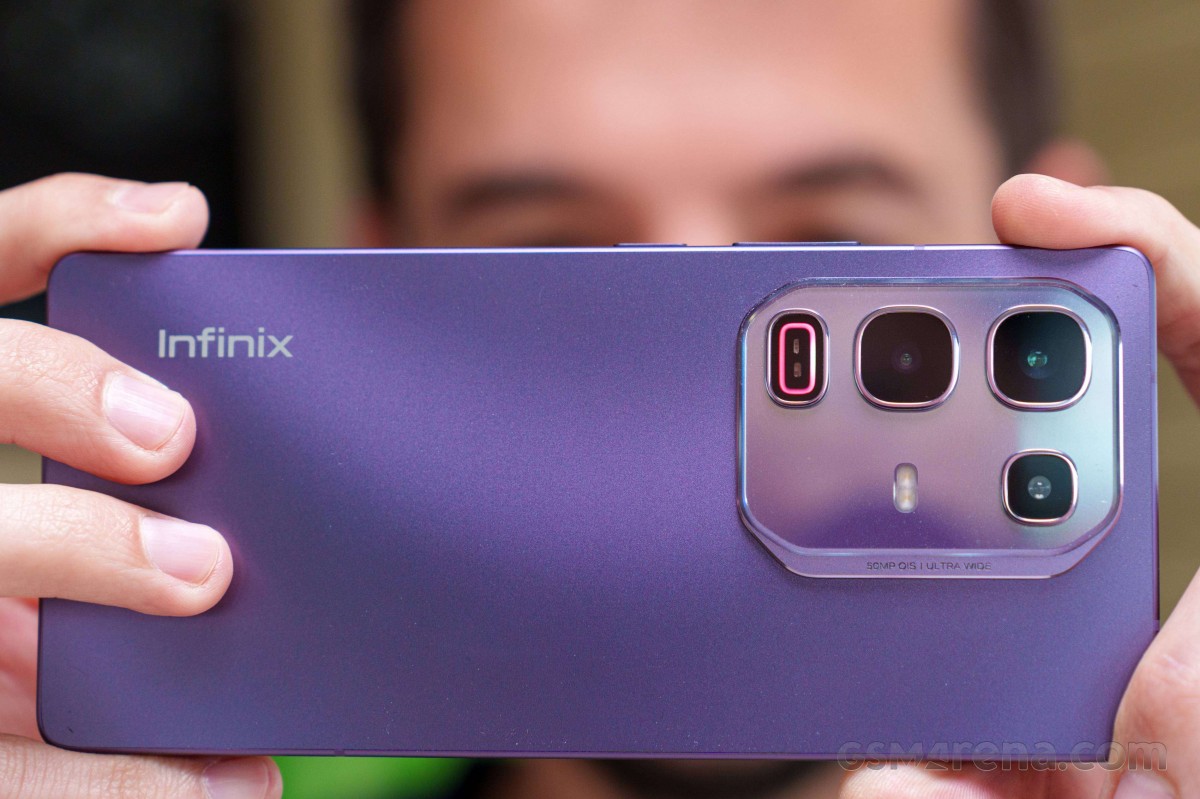
You are left with a 50MP main snapper with PDAF and OIS and an 8MP ultrawide. On the front - a 32MP fixed-focus selfie cam. Nothing too spectacular or fancy. There does appear to be a third camera of some sort on the back or, at the very least, a visible lens. Infinix calls it a "flicker sensor". In any case, it is not significant.
The main camera uses a Samsung S5KGN5SP sensor (1/1.57", 1.0µm). The ultrawide, which lacks autofocus just like the selfie camera, is based on the GalaxyCore GC08A8 (1/4", 1.12µm). As for the selfie, it might be using a GalaxyCore GC32E1 (1/1.31", 0.70µm) or a Hynix HI3231Q (1/3.1", 0.70µm) sensor.
- Wide (main): 50 MP Samsung S5KGN5SP f/1.9, 1/1.57", 1.0µm, PDAF, OIS; 1440p@30fps
- Ultra wide angle: 8 MP GalaxyCore GC08A8, f/2.2, 15mm, 112-degree, 1/4", 1.12µm, fixed focus; 1440p@30fps
- Front camera: 32 MP Galaxycore GC32E1 / Hynix hi3231q, f/2.2, 1/3.1", 0.7µm; 1440p@30fps
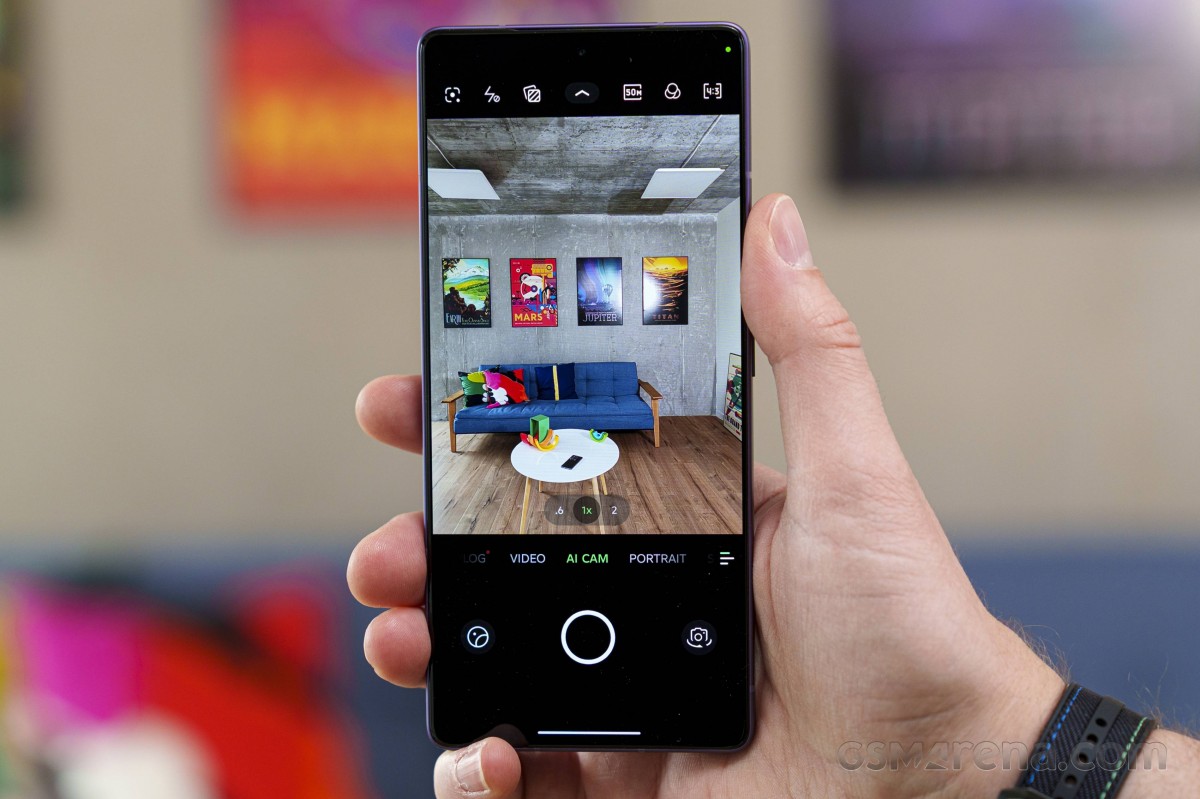
The Infinix Note 50 Pro 4G camera app is surprisingly feature-rich. It offers a pretty robust Pro mode as well as AI autofocus.
Daylight photo quality
Main camera
The main camera on the Note 50 Pro 4G is quite impressive for the price bracket. It captures very detailed shots with nice colors and a decently wide dynamic range. There is practically no noise in the frame, either.




















Infinix Note 50 Pro 4G: 12.5MP main camera samples
People come out looking great, in particular. Skin texture is excellent, and so are the skin tones. The phone captures excellent portrait shots with its main camera as well. Subject detection and separation are almost always spot-on, and the quality of the background blur is impressive.




Infinix Note 50 Pro 4G: 12.5MP main camera portrait samples
There is no dedicated telephoto camera, nor does the ultrawide have autofocus, but the main camera can focus pretty close, allowing for some rather pleasing macro-style shots.
While you can force the main camera to capture in its full 50MP resolution, you probably don't want to since the resulting images are softer and with less HDR stacking taking place, which frequently leaves things like the sky clipped and generally harms the dynamic range.










Infinix Note 50 Pro 4G: 50MP main camera samples
The Note 50 Pro 4G lacks the dedicated telephoto of its Pro+ sibling, but it can still pull off some impressively clean, detailed and sharp 2x digital zoom shots from the main camera. There is a tiny bit of noise in these 2x shots, but you really have to go nitpicking and look for it to find it.















Infinix Note 50 Pro 4G: 12.5MP main camera 2x zoom samples




Infinix Note 50 Pro 4G: 12.5MP main camera 2x zoom portrait samples
Ultrawide camera
The ultrawide on the Note 50 Pro 4G is as decent as an 8MP ultrawide of this caliber can be. That is to say that it is usable but not impressive in any way. The detail is alright, and so are the colors. There is quite a bit of noise in the frame.











Infinix Note 50 Pro 4G: 8MP ultrawide camera samples
Selfie camera
The selfie camera captures excellent shots. The detail is great, and the skin texture comes through very well. Skin tones also look great.




Infinix Note 50 Pro 4G: 32MP selfie camera samples
Low-light camera quality
The main camera captures some impressive low-light shots. There is plenty of detail and pretty low noise. Both shadows and highlights are well-developed. Light sources, in particular, are very well contained.




Infinix Note 50 Pro 4G: 12.5MP main camera low-light samples
An automatic night mode triggers consistently in the regular photo mode. It does a great job of stacking photos. There is a manual Super Night mode as well. It doesn't seem to do anything more to the photos in terms of processing.




Infinix Note 50 Pro 4G: 12.5MP main camera Super Night mode samples
2x zoom low-light shots from the main camera are quite noisy. They have a lot of detail and good dynamic range, but they are noisy.




Infinix Note 50 Pro 4G: 12.5MP main camera 2x zoom low-light samples
Enabling Super Night mode on these 2x zoom shots greatly helps. The noise is practically gone without really sacrificing detail, and light sources are handled much better.




Infinix Note 50 Pro 4G: 12.5MP main camera 2x zoom night mode samples
Shots from the ultrawide are quite messy in low light. They are soft and blurry with quite a bit of noise.




Infinix Note 50 Pro 4G: 8MP ultrawide camera low-light samples
Once again, enabling Super Night mode manually fixes up the overall quality quite a bit. While you don't really get that much extra detail, the detail that is there is nicely sharpened. Surfaces are a lot less noisy, and light sources are contained much better.




Infinix Note 50 Pro 4G: 8MP ultrawide camera night mode samples
Finally, we have the selfie camera, which holds up surprisingly well in low-light conditions. Skin texture and tones come through nicely, and there is a decent amount of detail in the background.




Infinix Note 50 Pro 4G: 32MP selfie camera low-light samples
Enabling Super Night mode on the selfie camera has little effect, just like the main camera.
Video capture quality
The Infinix Note 50 Pro 4G can capture video at up to 1440p@30fps resolution on all of its cameras. It's just what the ISP is capable of and where the limitation stems from. Still, at least the ultrawide is not limited to 1080p. Plus, you can enable ultra-steady stabilization on all cameras, which lowers the resolution to 1080p and crops away a bit of the frame. The stabilization itself works surprisingly well.
By default, videos get saved in an h.264/AVC video stream (around 50 Mbps for 1440p), plus a stereo AAC audio stream inside an MP4 container. There is also the option to record in h.265/HEVC and save some space.
You can check out the playlist below, which includes multiple video samples.
The main camera does quite alright with video capture. Its 1440p clips look sharp and surprisingly detailed. There is practically no noise, the dynamic range is nice and wide, and the colors look good. The same basically applies to 2x zoomed-in videos from the main camera, which are just a bit softer. Footage from the ultrawide is a bit noisier but other than that. It is surprisingly good for an 8MP camera. The details are decent, and so are the dynamic range and the colors.
The competition
At the time of writing, an 8GB/256GB base model Infinix Note 50 Pro 4G is selling for around NGN 368,800.00, which is about €205. We are not sure what Infinix plans are for the regional availability, so far we've only found it for sale in Nigeria.
The Note 50 Pro 4G offers a pretty good value for this price point. Sure, the Note 50 Pro 4G is an LTE device that is missing a few bells and whistles, but it is surprisingly well-equipped for the price.
There are some interesting alternatives to consider, like the Galaxy A16 4G, which is still cheaper. However, you can even afford the Galaxy A16 5G variant at this price. Just like the Infinix, it has an AMOLED display, though it refreshes at just 90Hz. There are a few other compromises as well, like the lack of stereo speakers and the lower-resolution ultrawide and selfie cameras. Also, the slower 25W charging. The Galaxy A16 5G does, however, have one major advantage: Samsung intends to support it for up to six major OS updates.
Xiaomi has at least a few interesting offers, among which is the ever-popular Redmi Note 14 series. And again, just like Samsung, you could save a few bucks and go for the Redmi Note 14 4G, or you could also likely fit a Redmi Note 14 5G into your budget. Some of its highlights include an IP64 ingress protection rating, HDR10+ certification on its 120Hz AMOLED display, a microSD expansion slot and a 108MP main camera.
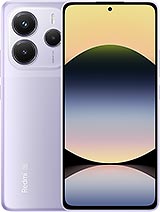

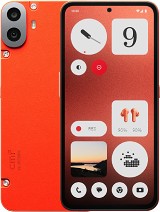
Samsung Galaxy A16 5G • Xiaomi Redmi Note 14 5G (Global) • Motorola Moto G85 • Nothing CMF Phone 1
Motorola has an interesting offer in the Moto G85. It also has a microSD expansion slot, stereo speakers, a pretty good 120Hz OLED display, a Snapdragon 6s Gen 3 chipset, and an autofocusing ultrawide camera.
A slightly "out there" suggestion would definitely be the Nothing CMF Phone 1. Its price has nicely depreciated in pricing, and while you definitely have to be partial to the particular look to consider it, it is not a bad overall package with its bright, 120Hz AMOLED display, MediaTek Dimensity 7300 chipset that supports 4K video capture and a microSD slot.
Our verdict
In keeping with its pedigree, Infinix has managed to craft a very interesting package with the Note 50 Pro 4G. Externally, the device really punches above its price. It not only looks very premium thanks to its sandblasted finish, but it also feels the part thanks to the metal frame and other details. You don't really get this build quality level at this budget price point. You also get IP64 ingress protection and even an RGB light on the back to tie the design together. The OLED display is also arguably a highlight here. Sure, it lacks HDR video support, but it can get quite bright and has 144Hz support.
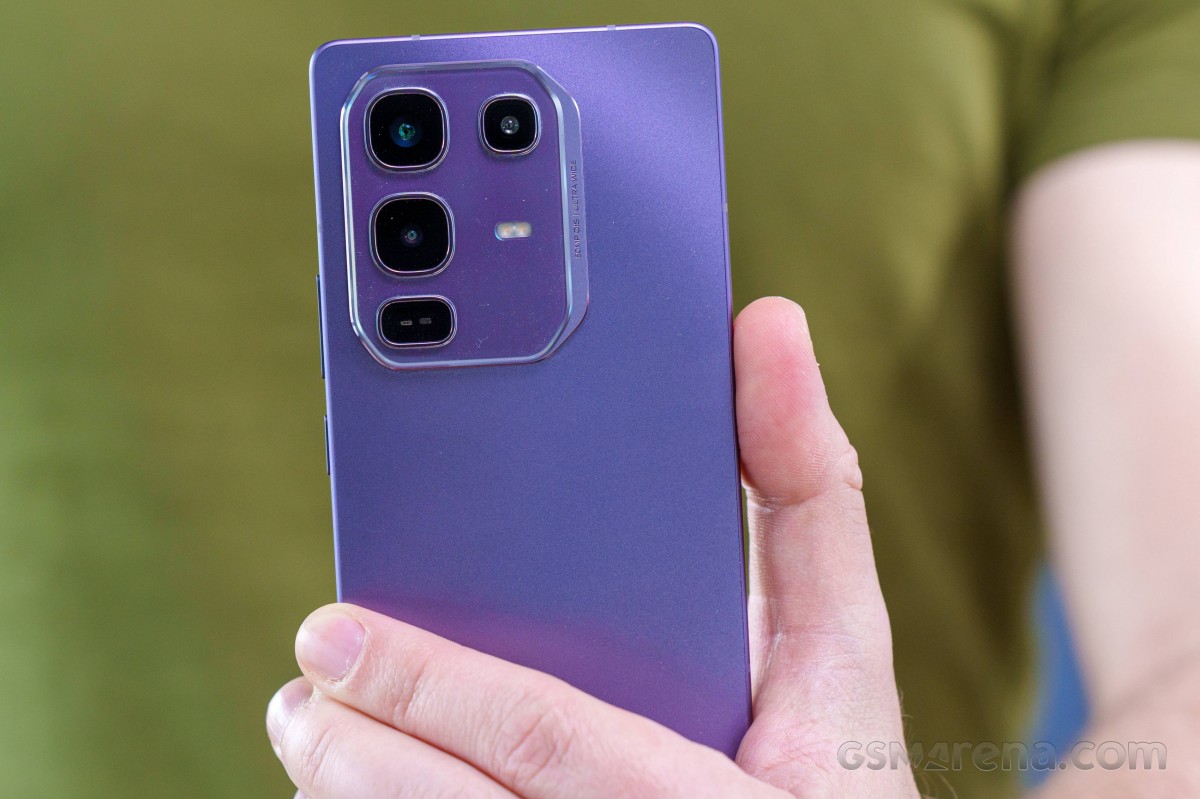
We were also very impressed with the camera system. The 50MP main camera and selfie camera, in particular, offer great overall quality and, again, arguably, punch above their class. Infinix hasn't skimped on little extras either, like a stereo speaker system, NFC, an IR blaster, or an FM radio. 90W wired and 30W wireless charging are also impressive additions. There is even a heartrate and SpO2 monitor on board.
Honestly, there are very few corners cut here. One of the most major ones is the chipset selection. The Helio G100 Ultimate is not only pretty modest in the performance department, but it also lacks modern connectivity like 5G. Plus, its ISP limits video recording to 1440p. Infinix could also offer a longer software support as well.
Honestly, if you can get over these two shortcomings, the rest of the phone is very likeable. We generally enjoyed our time with the Infinix Note 50 Pro 4G, and we're sure it's well worth considering.
Pros
- Glass-metal body, IP64 rating.
- Very rich retail package.
- Heart rate sensor and LED illuminator on the back.
- Very fast charging; wireless is also an option, complete with a MagSafe-like solution.
- XOS packs a ton of features, plenty of AI stuff, too.
- Very good camera system - great zoom action, nice closeups, solid primary camera.
Cons
- Limited regional availability.
- Average battery life overall, pretty bad at gaming.
- No eSIM support.
- Modest performance.

