Tecno Spark 40 Pro+ review
Introduction
Tecno's Spark lineup has long been synonymous with budget-friendly smartphones that punch well above their price tag, and the new Spark 40 Pro+ is no exception. Announced in July 2025, this upper-tier Spark model aims to deliver a feature-rich experience that rivals more expensive competitors - all while maintaining an impressively low asking price of around $200.
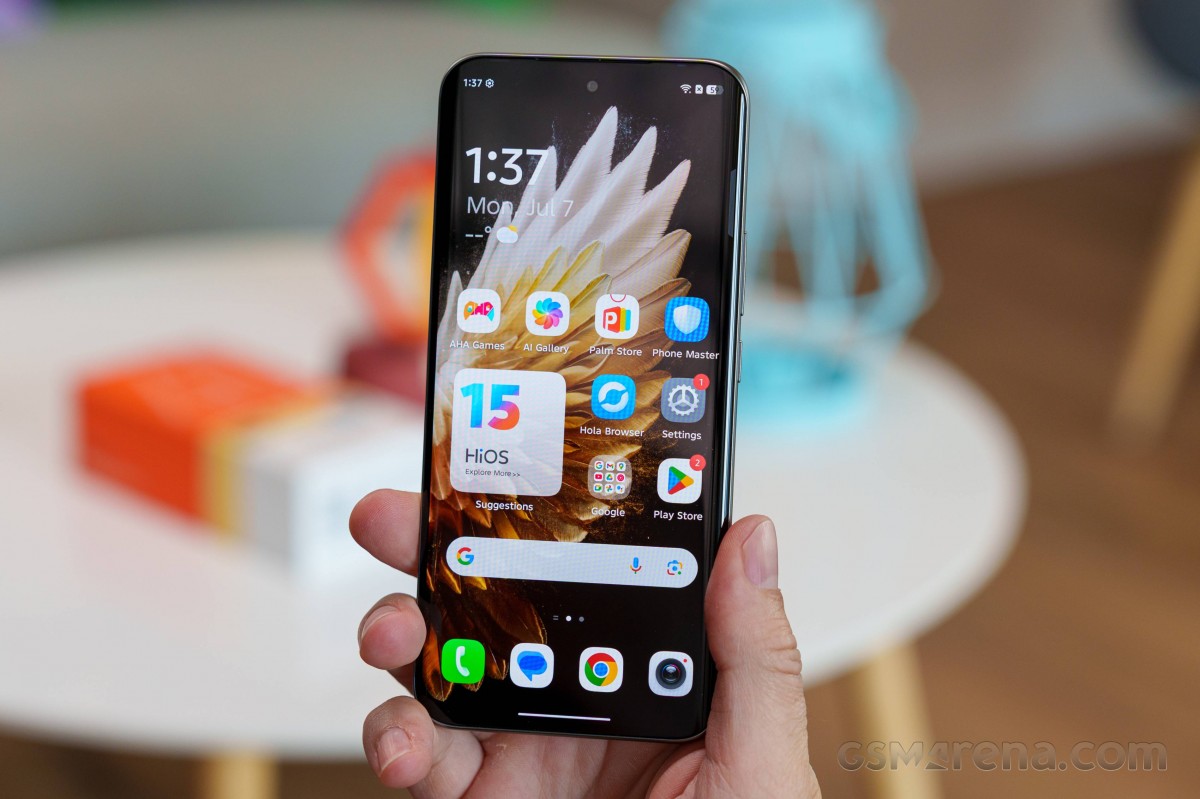
Despite the entry-level pricing, the Spark 40 Pro+ comes across as anything but basic. It's built around a vibrant 6.78-inch AMOLED display with 144Hz refresh rate and an impressive 4500 nits peak brightness - a spec sheet highlight that immediately sets it apart from the typical budget crowd. Protection duties are handled by Corning Gorilla Glass 7i, while the body is IP64-rated and drop resistant up to 1.5m, offering durability rarely seen at this price point.
Powering the device is the MediaTek Helio G200 chipset, a relatively new 6nm platform paired with 8GB of RAM and either 128GB or 256GB of storage. While it's not a 5G-capable chip, it promises solid 4G performance and good efficiency, especially when paired with the large 5,200 mAh battery and 45W wired plus 30W wireless charging - yes, wireless charging on a phone that costs only $200.
Tecno Spark 40 Pro+ specs at a glance:
- Body: 163.9x75.8x6.5mm, 160g; Plastic body, Corning Gorilla Glass 7i front; IP64 dust tight and water resistant (water splashes), Drop resistant up to 1.5m.
- Display: 6.78" AMOLED, 1B colors, 144Hz, 1600 nits (HBM), 4500 nits (peak), 1224x2720px resolution, 20:9 aspect ratio, 440ppi.
- Chipset: Mediatek Helio G200 (6 nm): Octa-core (2x2.2 GHz Cortex-A76 & 6x2.0 GHz Cortex-A55); Mali-G57 MC2 (1.1GHz).
- Memory: 128GB 8GB RAM, 256GB 8GB RAM.
- OS/Software: Android 15, HIOS 15.
- Rear camera: Wide (main): 50 MP, PDAF; Auxiliary lens.
- Front camera: 13 MP, (wide), dual LED front-facing selfie flash.
- Video capture: Rear camera: 1440p@30fps, 1080p@30fps, gyro-EIS; Front camera: 1080p@30fps.
- Battery: 5200mAh; 45W wired, 100% in 55 min, 30W wireless, 5W reverse wireless, 10W reverse wired, Bypass charge.
- Connectivity: LTE; Wi-Fi 5; BT 5.3; NFC; FM radio; Infrared port.
- Misc: Fingerprint reader (under display, optical); stereo speakers (with Dolby Atmos); Circle to Search.
Photography duties are handled by a 50MP main camera with PDAF and dual-LED flash, capable of recording up to 1440p@30fps, while selfies are captured via a 13MP front shooter, also with dual-LED flash. Both cameras benefit from gyro-EIS stabilization.
On the multimedia front, the Spark 40 Pro+ continues to impress with stereo speakers tuned with Dolby Atmos, a 3.5mm headphone jack, and support for Hi-Res Audio, both wired and wireless. You even get extras like an infrared port, FM radio, and reverse charging (wired and wireless) - features that have vanished from many modern midrangers.
The Spark 40 Pro+ may not be a flagship killer, but it brings an impressive set of features, performance, and versatility to the budget segment. Let's see if it holds up under closer inspection.
Unboxing
The Spark 40 Pro+ ships in a rigid cardboard box that looks quite reassuring. Plus, there is a cradle on the inside for the actual phone, so there is little possibility of damage during shipping.
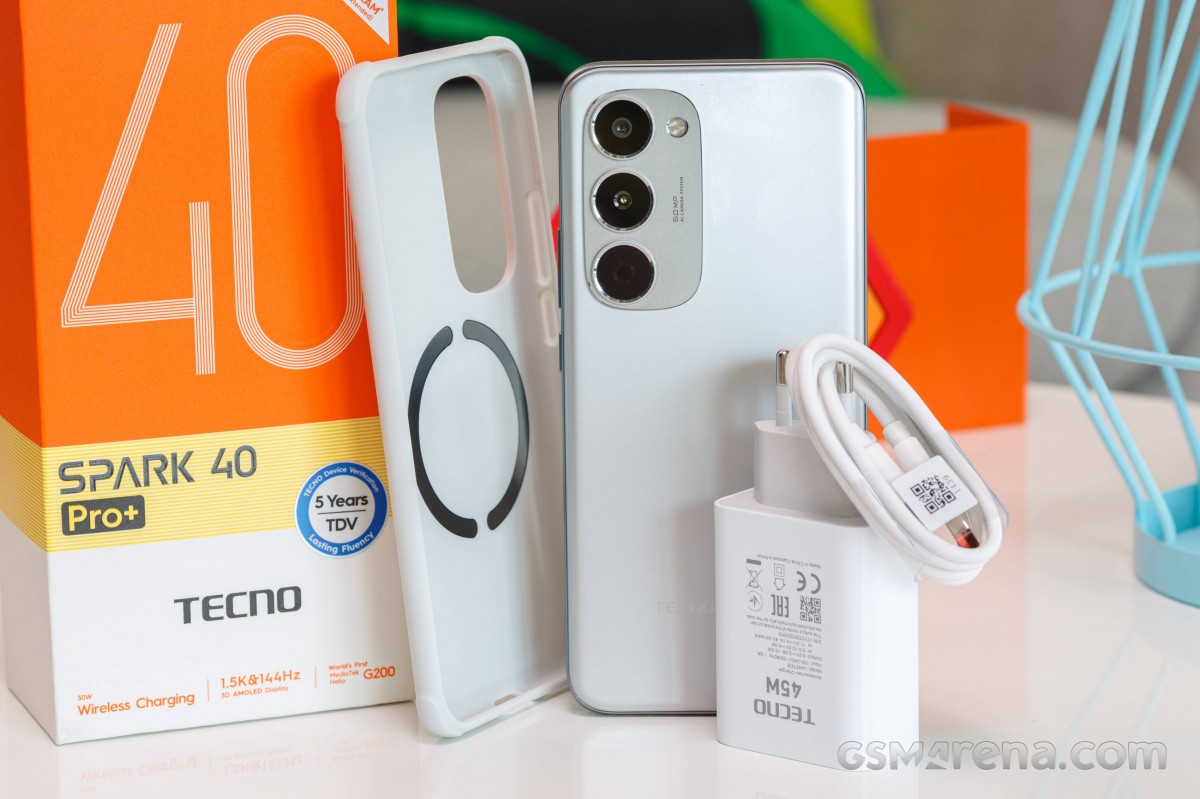
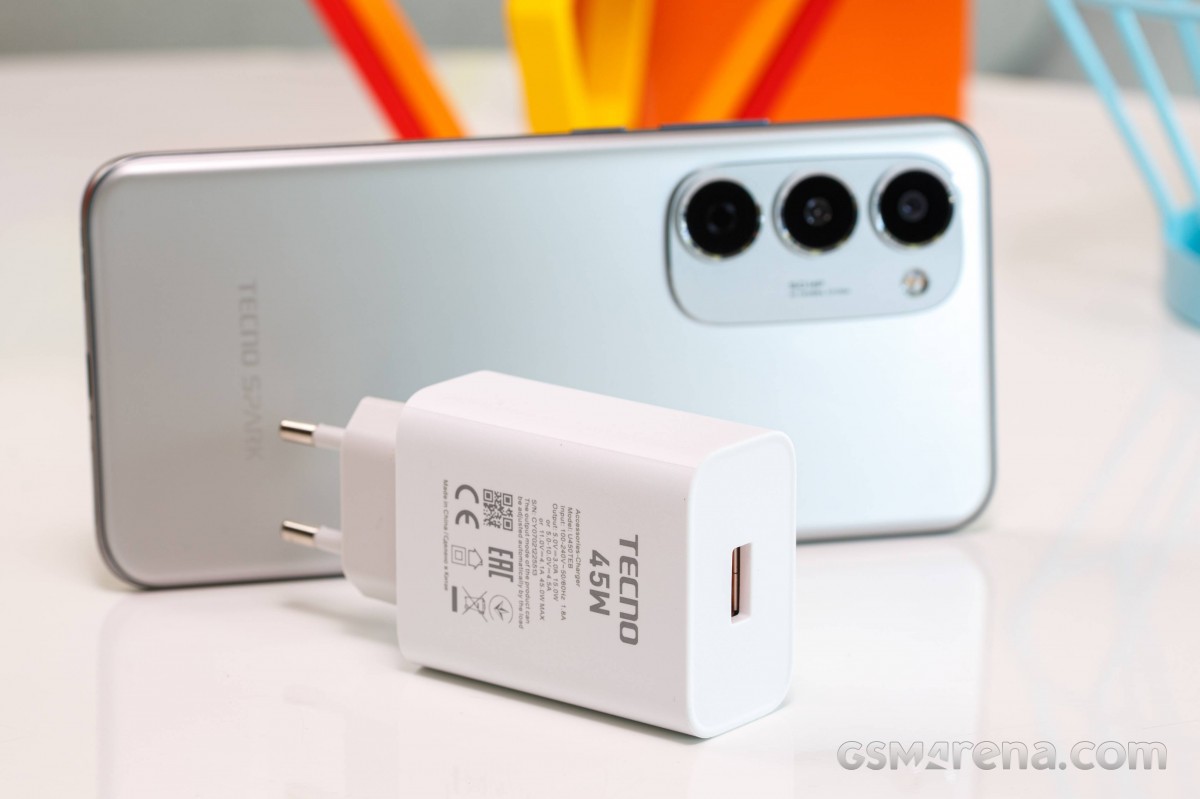
Tecno's accessory package is extensive. You get a charger in the box - 45W, Tecno branded, plus a USB Type-A to Type-C cable. From what we can tell, the cable isn't proprietary and does not have extra pins, which is good. Also in the box is a grey soft TPU case for the phone, as well as a tempered glass screen protector and a kit to properly clean the display and apply it.
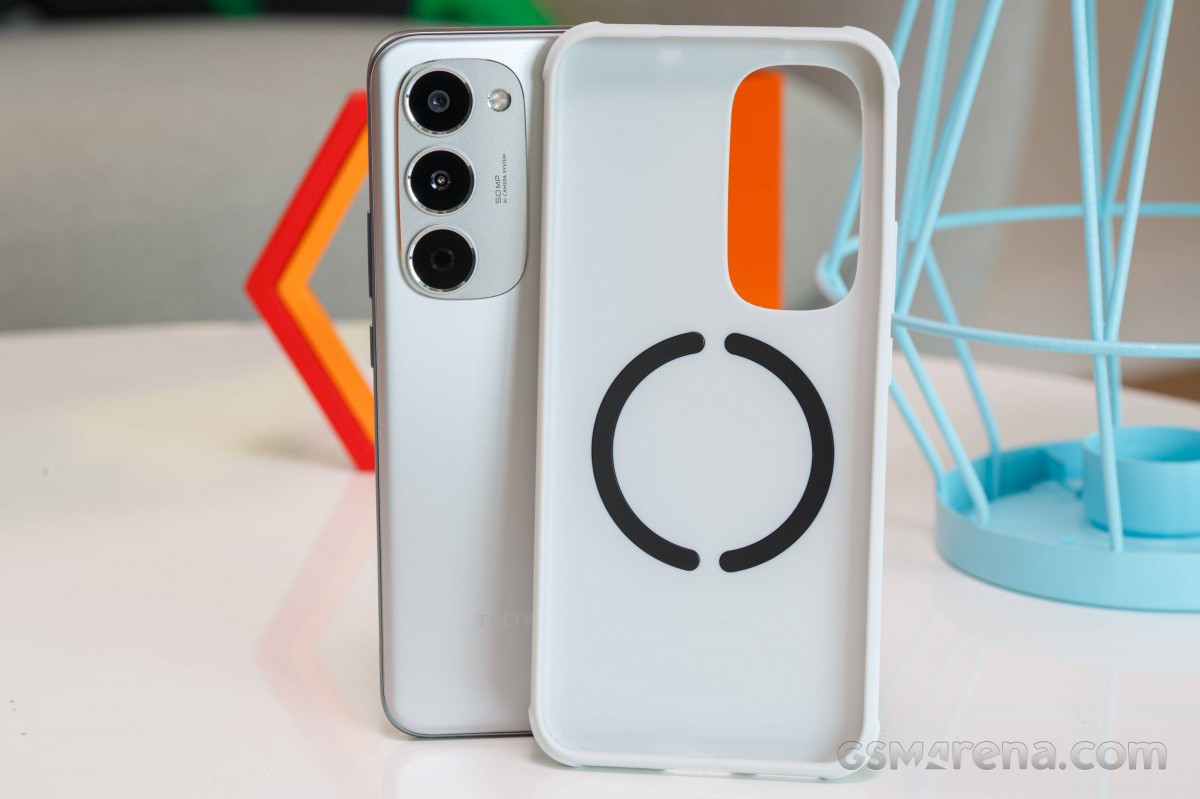
Honestly, short of a pair of earbuds, there's not much else that could have been included in the box.
Design, build quality, handling
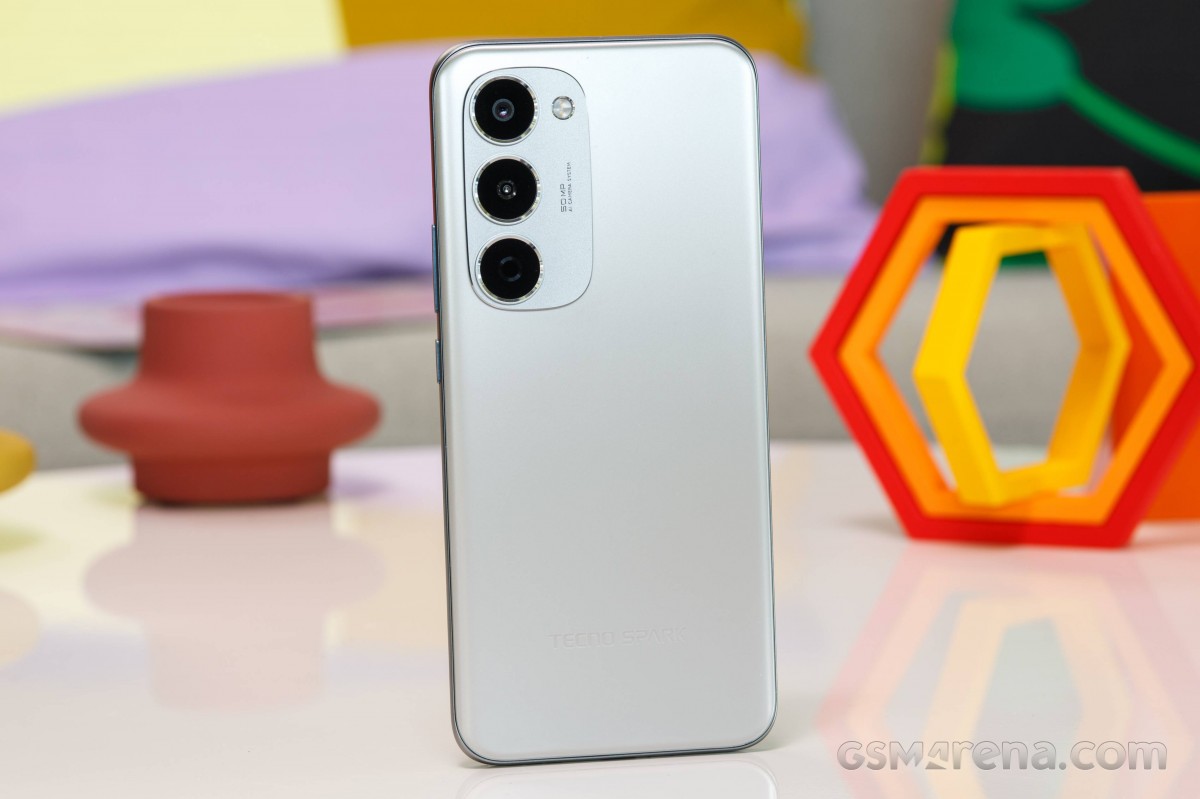
There is nothing particularly interesting or memorable about the Spark 40 Pro+ design. It is very unobtrusive and non-offensive. We wouldn't go as far as calling it bland, but the whole curved display aesthetic is a slightly older trend from a few years ago. Still, it looks good in our opinion.
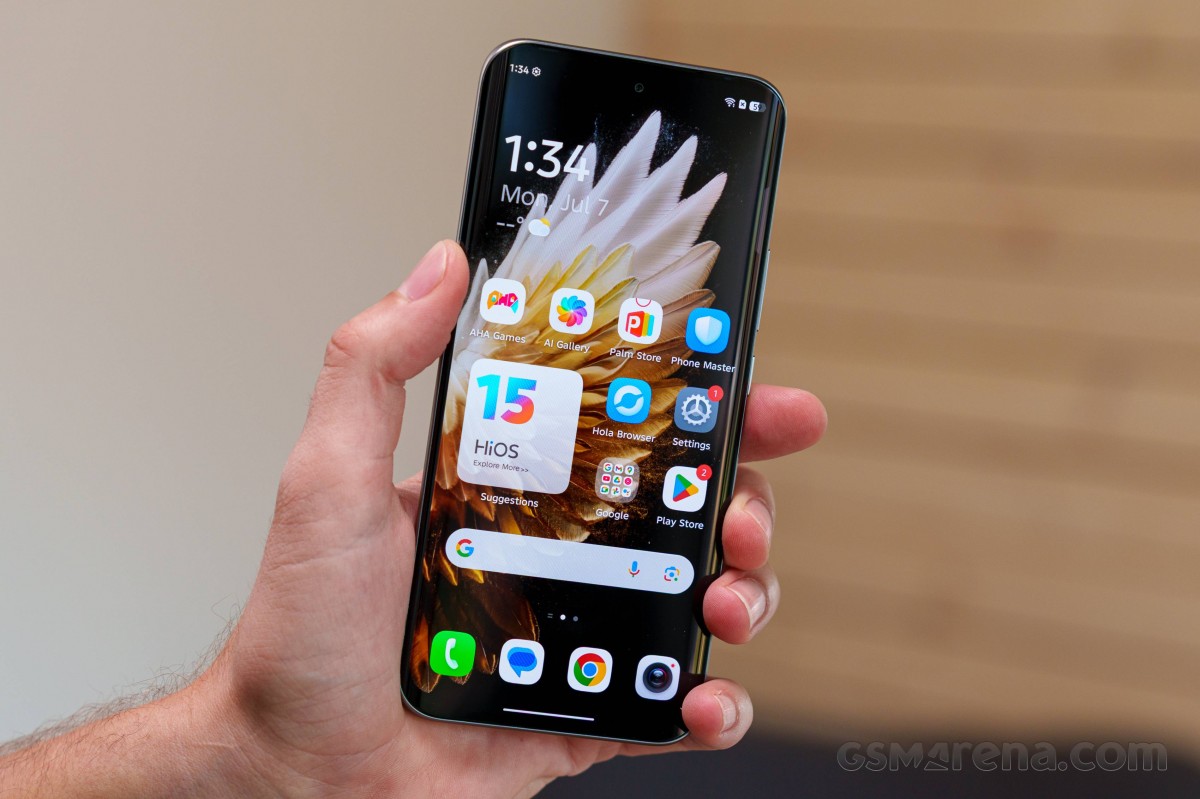
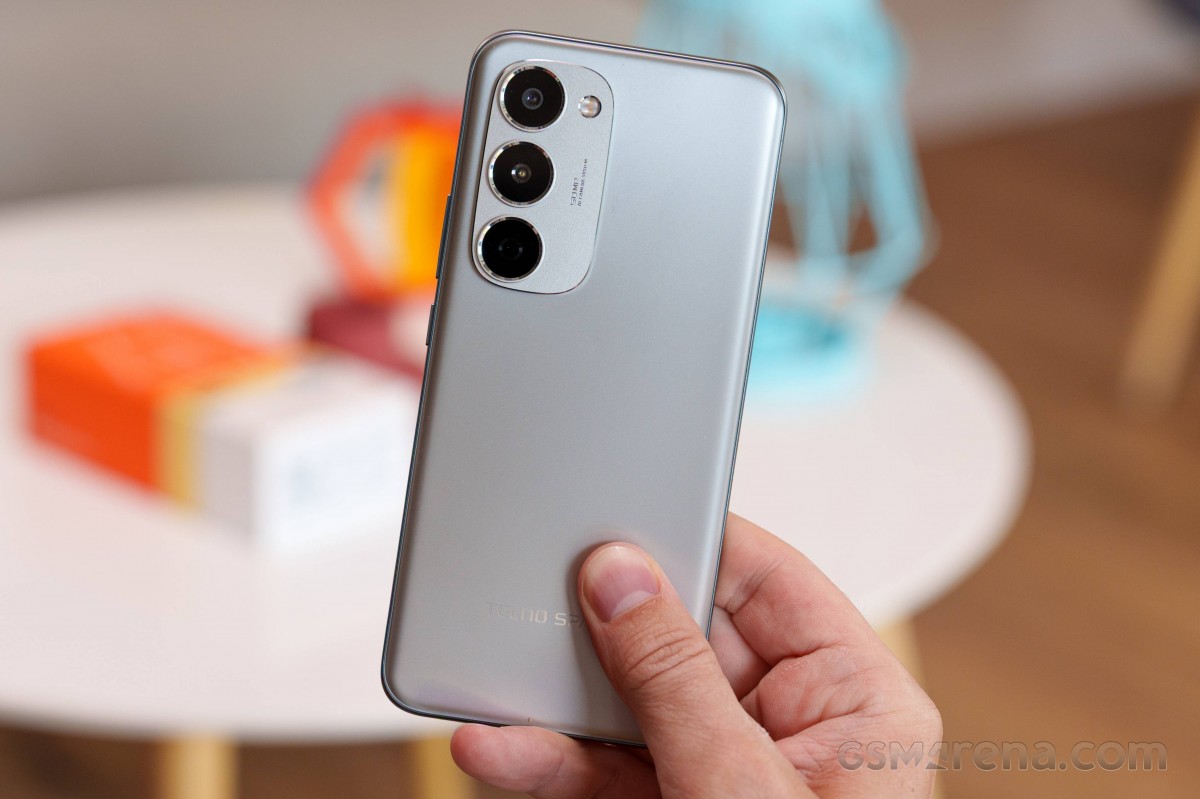
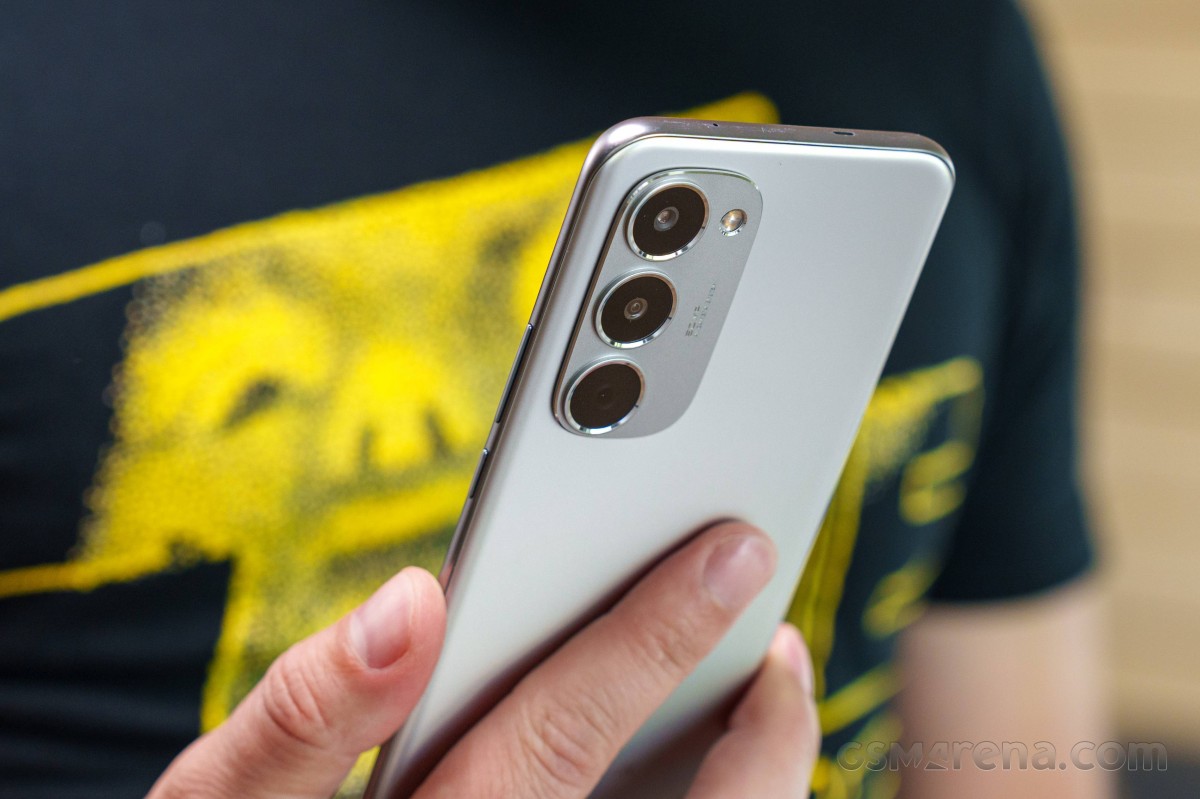
The design department still managed to leave a little bit of a distinctive touch in the shape of the rear camera island. It should be noted that the phone is masquerading really hard as having a triple camera setup. In reality, only one of the modules houses an actual functional 50MP snapper. The other one is an auxiliary sensor of some sort, and the third module is outright empty, just there for aesthetics.
The Spark 40 Pro+ is available in a total of four color options: Nebula Black, Aurora White, Moon Titanium and Tundra Green. Judging by photos alone, the latter seems to feature some slight texture on its back side. The other three have a silky-smooth matte finish.
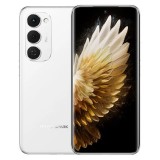
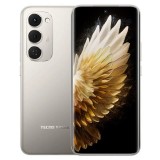
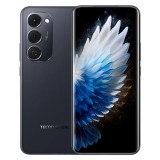
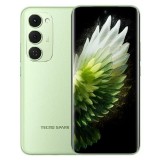
Tecno Spark 40 Pro+ color options
Our Aurora White review unit feels very nice to the touch. We are also happy to say that the surface does not get too dirty or greasy.
Although not officially confirmed, the phone's back side appears to be made of plastic. There is a little bit of hollowness to it when tapped on, but nothing too severe.
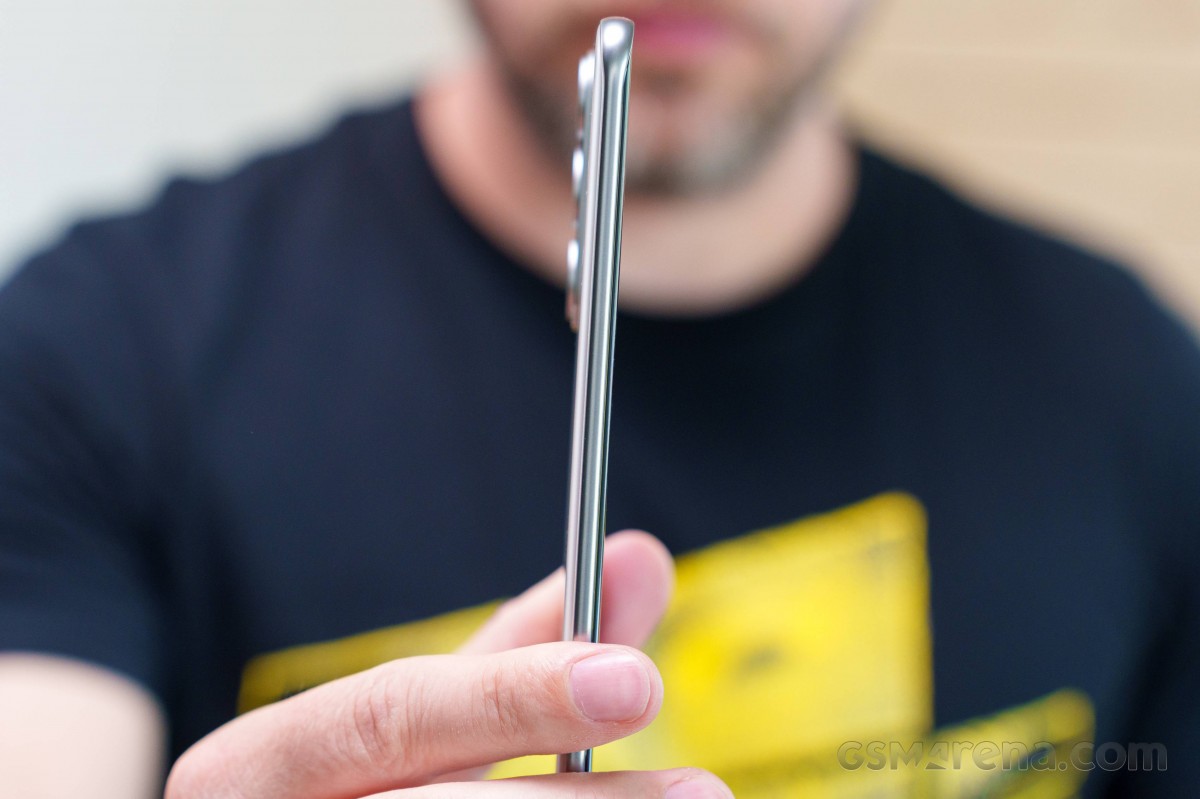
Overall, the phone feels quite solid with little to no flex, and that's despite its diminutive weight of just 160 grams. That is impressively light, considering the overall size of the phone and the 5,200 mAh battery.
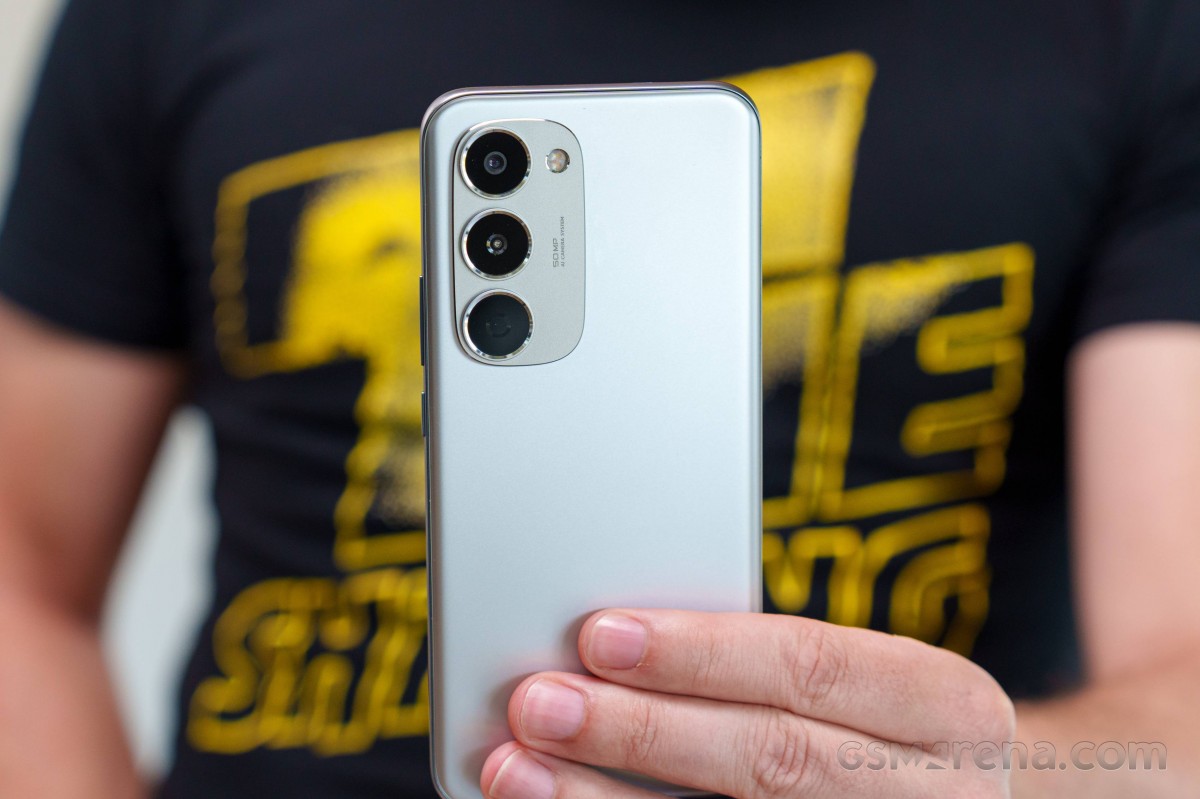
The Spark 40 Pro+ feels very good in the hand. It is well balanced and indeed very light. It's also merely 6.5mm thin.
Circling back to materials, the phone's middle frame is plastic as well. Still, it pulls off a nice aluminum look.
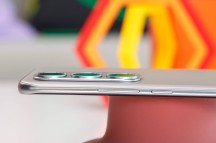
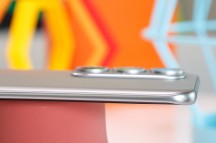
Techo Spark 40 Pro+
The display is covered with Corning Gorilla Glass 7i, which is quite reassuring. The Spark 40 Pro+ is also IP64 certified, which means it is dust-proof and can withstand water splashes. Not too shabby for a budget device.
The Spark 40 Pro+ has all of the controls you would expect, where you would expect them. The left frame is empty while the right houses the volume rocker and power button. Both are really thin due to the body curving inwards on both sides of the phone. That makes them a bit difficult to use, but we can't complain too much.
The top side has a small hole for the secondary noise-cancelling mic and another opening for the second speaker, which is nice to see for audio balance.
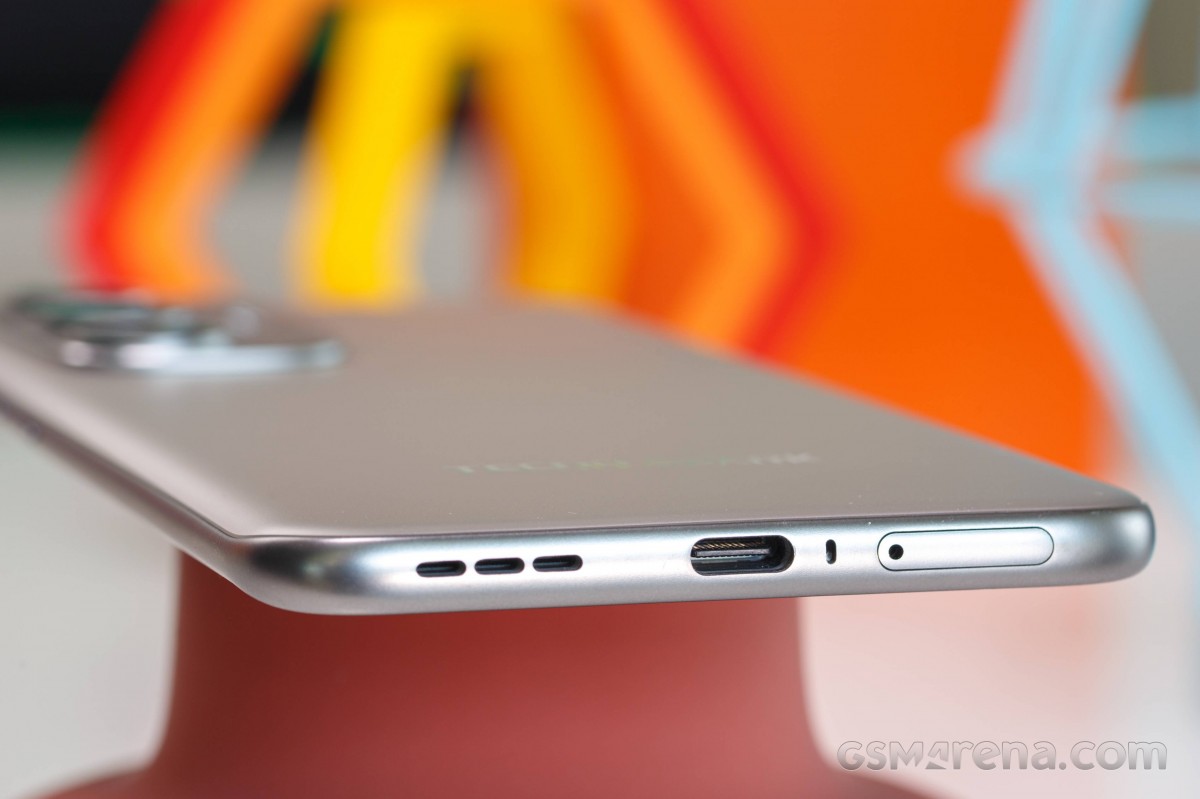
The bottom has the main speaker grill, the main mic, the dual Nano-SIM slot tray and the Type-C port. Nothing out of the ordinary.
There is an IR blaster on the phone, but it is on the back next to the cameras and not on its frame.
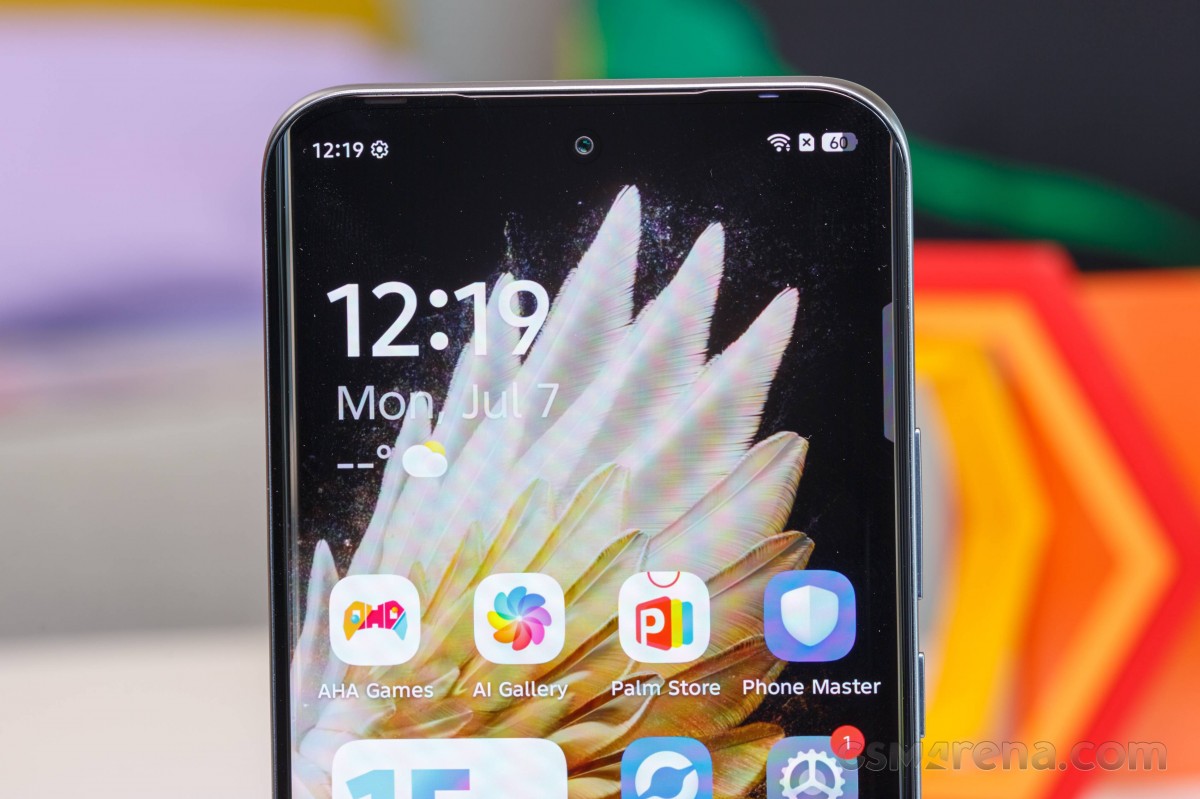
The front side is very clean. The display bezels are a bit on the larger side, and so is the punch hole for the selfie camera, but both are perfectly reasonable for a budget device. There are no visible sensors. The light and proximity are hidden away in the frame above the display. Also hidden above the display are two front-facing LEDs meant to act like a selfie flash.
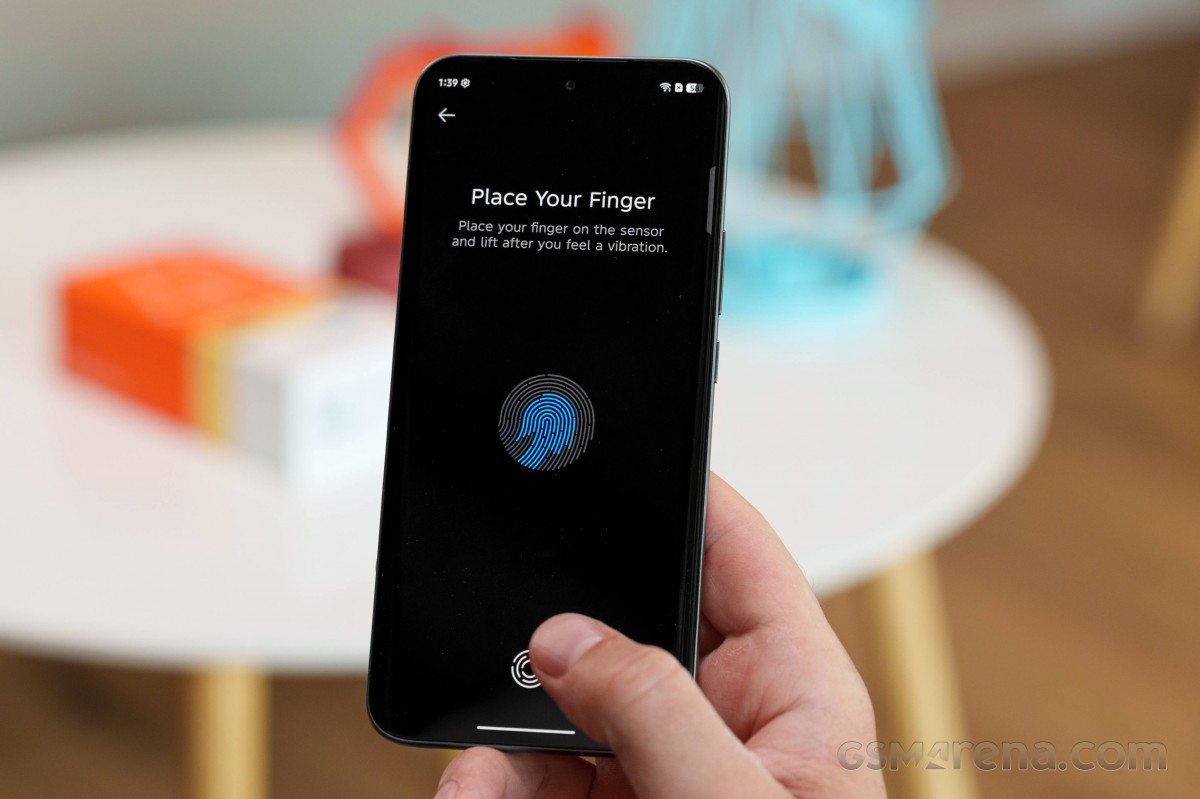
Despite its budget price tag, the Spark 40 Pro+ uses an under-display fingerprint reader. It is of the regular optical variety and is both accurate and snappy. We have no complaints about it.
Display
Democratizing display tech is an amazing ongoing trend we can definitely get behind. Even in that context, we think that Tecno has taken things to the next level.
Not only does the Spark 40 Pro+ have a spacious 6.78-inch AMOLED panel, but it also has 10-bit color, a 144Hz refresh rate and a sharp 1224 x 2720 pixel resolution, which at that diagonal works out to around 440 ppi of density.
There is a caveat here, however, the official specs of the Helio G200 state that the chip can only support up to 1080p@120Hz output. Hence, both the resolution and refresh rate advertised by Tecno are impossible to achieve natively. Digging a bit deeper, indeed, the phone's UI seems to be rendering everything at 1080x2400 pixels. As per Tecno's kind of cryptic website, there is an internal upscaler chip that pushes the resolution up to 1224 x 2720 pixels.
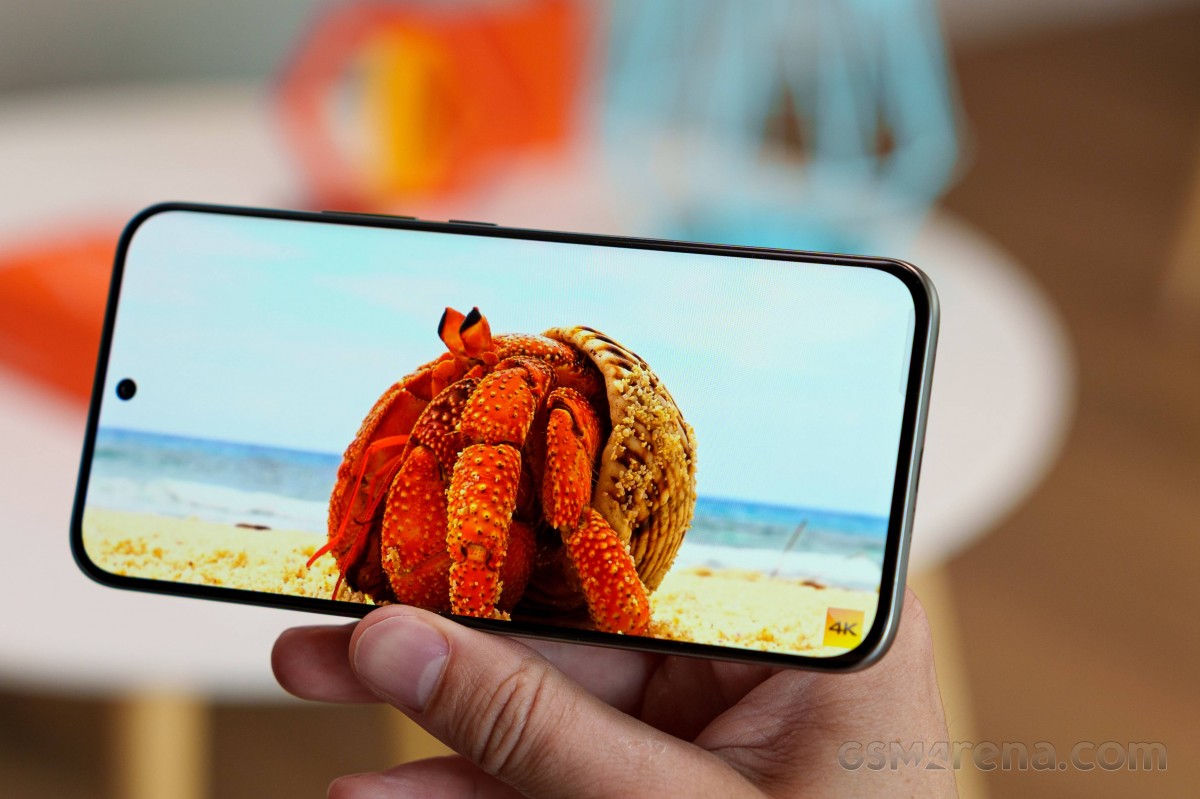
We did our standardized testing, and indeed, the Spark 40 Pro+ is a chart-topper among its peers. Using it outdoors is perfectly comfortable even in bright sunlight, which is truly great for a budget device.
The Spark 40 Pro+ reports support for a total of four refresh rate modes: 60Hz, 90Hz, 120Hz and 144Hz. In terms of refresh rate settings, there are three modes: Auto-Switch, Standard and High. Standard just locks the refresh rate to 60Hz. Auto-Switch and High both have a similar auto-switching behavior, which is dependent mainly on interacting with the phone.
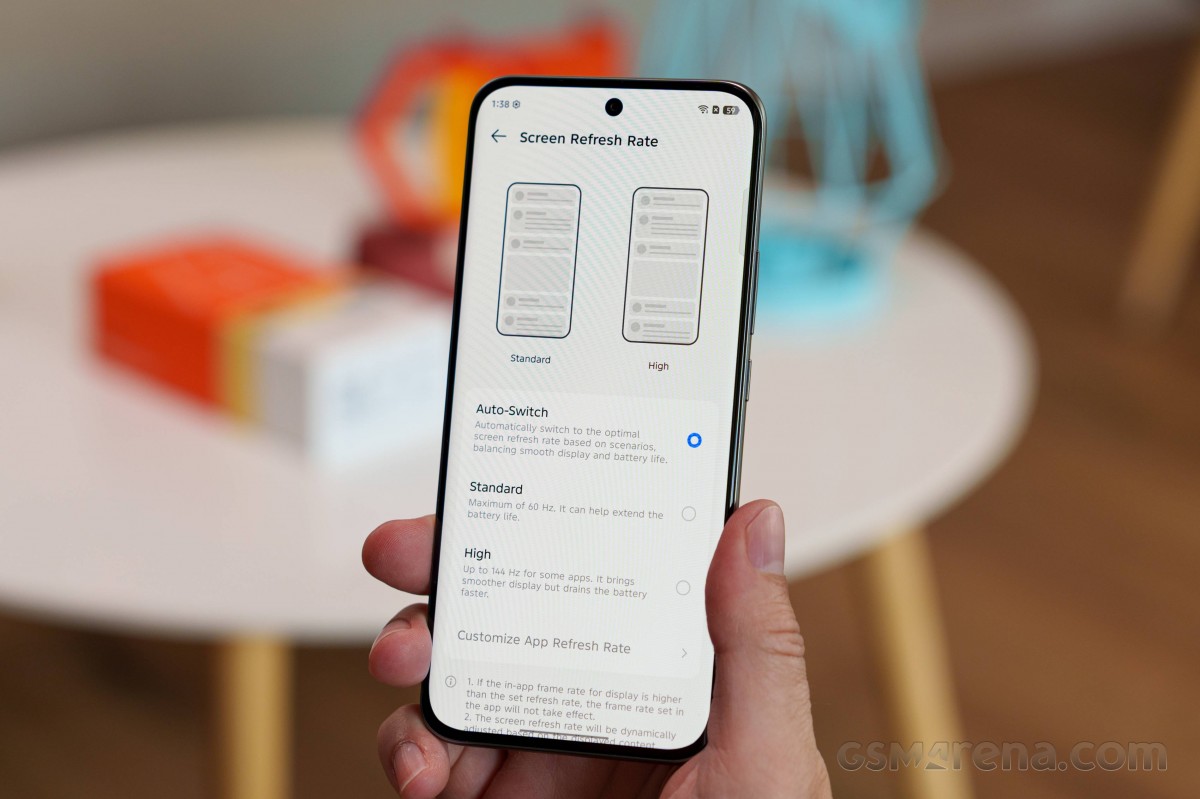
The only difference is that the Auto-Switch mode switches between 60Hz and 90Hz, while the High mode stretches its legs a bit more and goes up to 120Hz and sometimes uses 90Hz as well.
The High mode also has the benefit of a per-app refresh rate selector interface. It is a really nifty feature to have. However, it only offers 60Hz, 90Hz and 120Hz as options for each app and game.
Frankly, we aren't quite sure how to force the phone into 144Hz mode. It seems to support it as per system reporting (even though we have our doubts given the resolution situation), but in our testing with known high refresh rate games, we never got past the 120Hz mark. Even launching games through the dedicated Game Space doesn't seem to offer the option. Still, thanks to the per-app menu, we did consistently get 120Hz in-game, which we count as a major win.
The Spark 40 Pro+ lacks any HDR support. However, it does have the highest possible Google Widevine L1 DRM certification, allowing apps like Netflix to offer up FullHD streams.
Battery life
The Tecno Spark 40 Pro+ has a pretty big 5,200 mAh battery. Frankly, it is kind of shocking that such a thin and light device managed to fit so much capacity. Unfortunately, the large capacity does not translate to particularly good battery life in practice.
We did out standardized testing and got just under 11 hours of Active Use Score. The individual scores are quite low across the board.
But things only get more impressive from here. The phone also supports 30W wireless charging, which is very impressive in this segment. There is also reverse charging, both wired at 10W and wireless at 5W.
The Spark 40 Pro+ even supports Bypass charging, so you can avoid heating up from the charging process during, say, prolonged gaming or multimedia sessions while the phone sits plugged in.
Tecno also offers Charging Protection. You can set a custom upper charging limit yourself or use the AI option, which promises to monitor your usage patterns and charge the phone to 100% only when you need it and otherwise keep it charged to 80%.
Speakers - loudness and quality
The Tecno Spark 40 Pro+ has a stereo speaker setup. It is of the hybrid variety with an amplified earpiece acting as the second channel. As already mentioned, there is a speaker hole on the top bezel, which greatly helps with output balance, symmetry and stereo separation.
In terms of loudness, the Spark 40 Pro+ nearly missed the cutoff point for a "GOOD" grade and ended up in "AVERAGE". Frankly, we feel that is more representative anyway. It does not get particularly loud. Nor is the quality anything to phone home about. Voices come through clear enough, though a bit muffled. There is a clear lack of definition, and the sound stage is narrow. Bass is practically non-existent.
The phone does have Dolby Atmos support, but it seems to be for headphones only.
Use the Playback controls to listen to the phone sample recordings (best use headphones). We measure the average loudness of the speakers in LUFS. A lower absolute value means a louder sound. A look at the frequency response chart will tell you how far off the ideal "0db" flat line is the reproduction of the bass, treble, and mid frequencies.
Connectivity
The Tecno Spark 40 Pro+ is a 4G device. It supports simultaneous LTE connectivity on both of its Nano-SIM slots. Unfortunately, there is no eSIM support.
Naturally, there is GPS support for positioning. Local connectivity is handled by dual-band Wi-Fi ac. There is also Bluetooth 5.3 on board with LE support. Also on board are an NFC module (market dependent), an IR blaster and an FM radio receiver. No 3.5mm audio jack and no SD card slot, though.
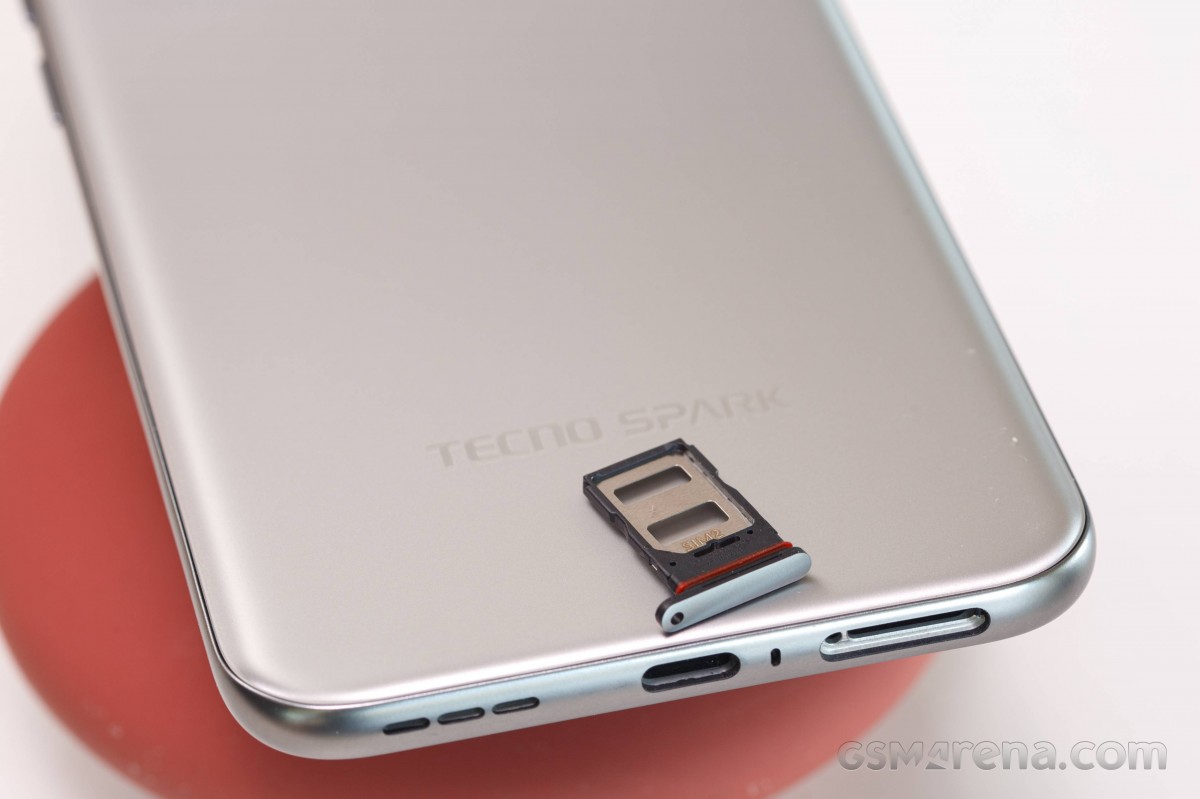
The Type-C port is backed up by a simple USB 2.0 data connection. This means a theoretical max transfer rate of 480 Mbps. There is OTG/Host support, but nothing fancier like video output over Alt mode.
The Spark 40 Pro+ has a pretty full set of onboard sensors. There is an ST LSM6DSO accelerometer and gyroscope combo. A MEMSIC MMC5603 magnetometer and compass combo and an EMINENT MN79911 light and hardware proximity combo. Yes, even with its low price tag, the Spark 40 Pro+ has an actual hardware proximity sensor and not a virtual one. There is no barometer onboard, however.
HiOS 15 on top of Android 15
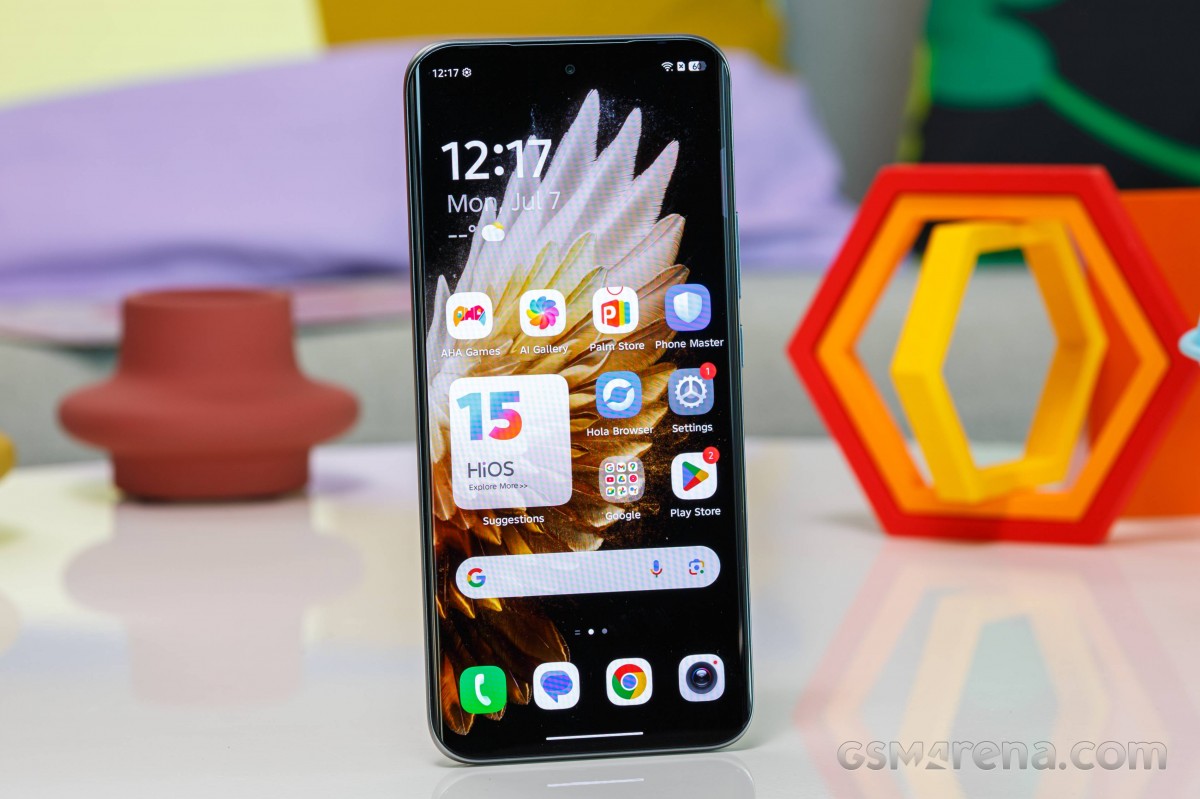
The Spark 40 Pro+ runs on Tecno's highly customized HiOS. In this case, it is HiOS 15.1.1 at the time of review, on top of Android 15.
We reached out to Tecno to confirm its software support policy for the Spark 40 Pro+ and, unfortunately, the company only promises two years of security patches and no major OS updates. That's quite the bummer and a potential major deterrent for some prospective buyers.
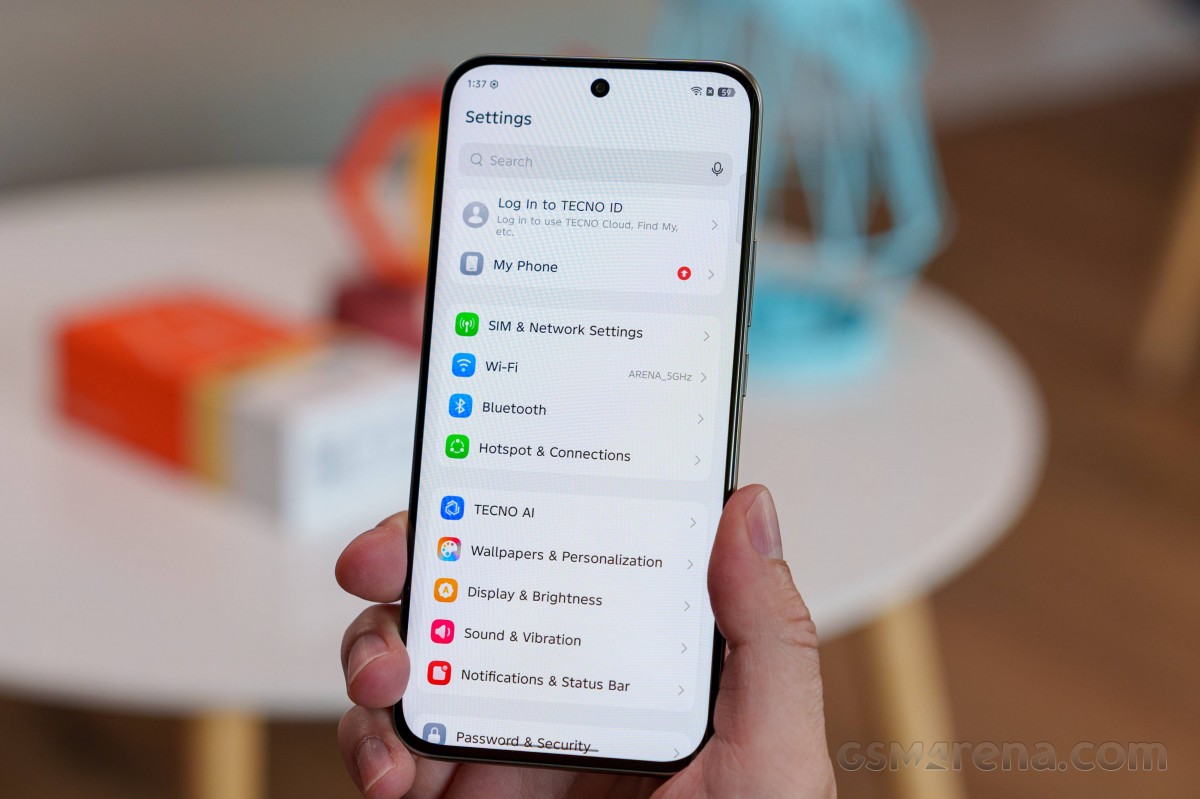
The Android OS, even with the Tecno skin, is pretty straightforward.
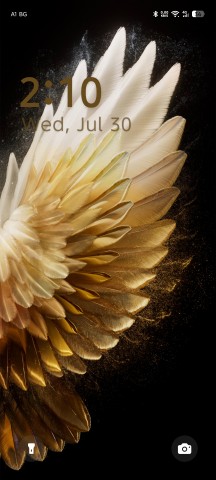
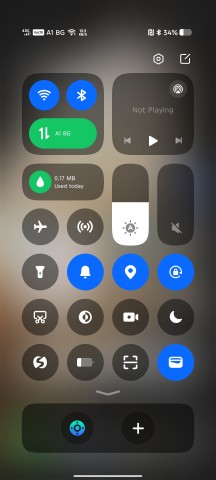
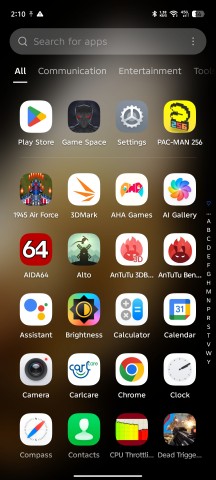
Hi OS 15
There is an always-on screen, which is everything but always-on (it lights up for 15s). It supports landscape mode when charging to act as a night clock.
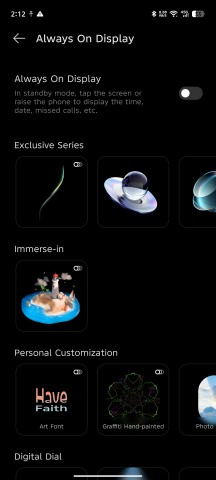
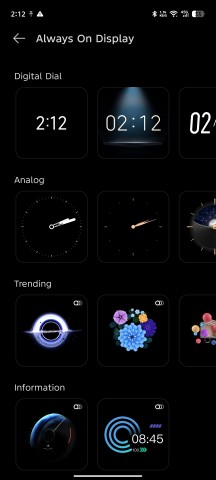
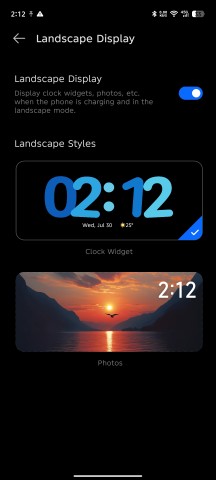
The not-so-AOD
The lockscreen has a couple of shortcuts on the bottom - one for the camera, and the other for the flashlight.
Multitasking features include split-screen and pop-up window modes for supported apps - nothing out of the ordinary.
There are some pre-installed apps and utilities, but overall, it's a clean enough package. Still, there is plenty of what might be considered bloat here, like Aha Games and Palm Store, which are two separate third-party app stores, Tecno Spot, Visha Player and Hi Themes. At least the Hi browser is nowhere to be found.
By default, the Spark 40 Pro+ uses Gemini as its AI assistant. It is your standard text-based assistant, and it does not offer any interactivity with the on-screen content, which is unfortunate.
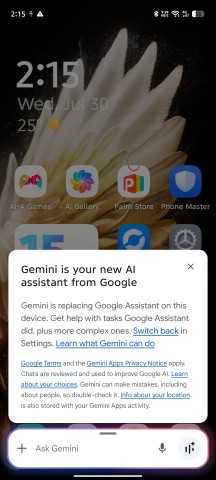
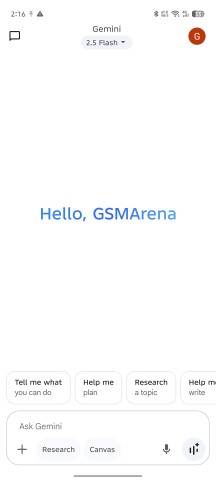
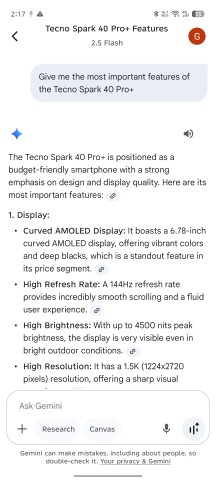
Gemini AI assistant
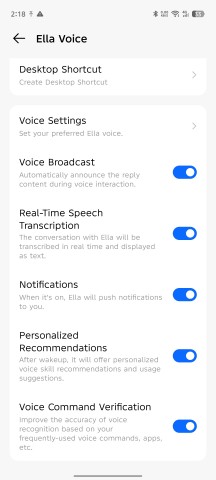
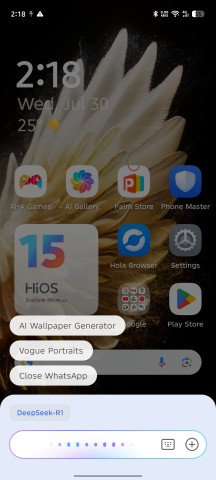
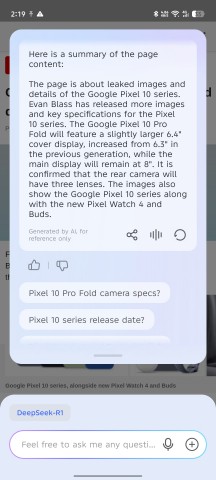
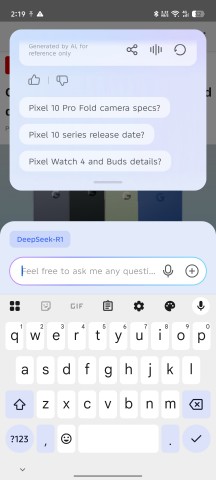
Luckily, you can switch to Tecno's own Ella assistant, which is based on the DeepSeek R1 model.

Ella
Holding the Quick button summons Tecno's Ella voice assistant, and it's chock-full of useful features and offers voice wake-up and voice responses. It can also interact with on-screen content. Most of the data for the AI model requires an internet connection to fetch; however, commands for phone settings and tasks can also work offline.
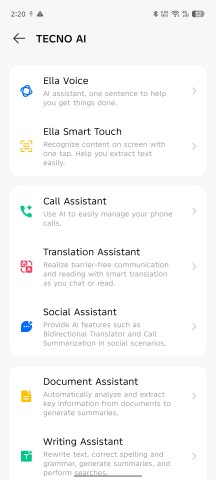
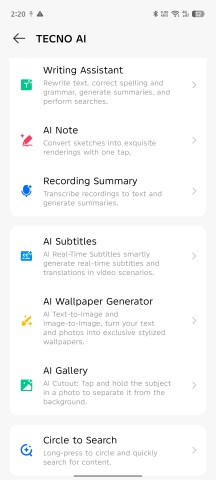
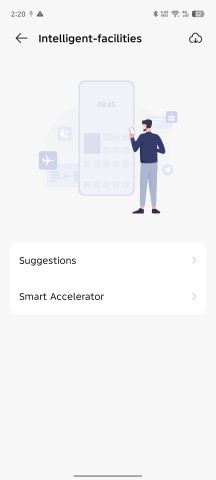
Tecno AI menus
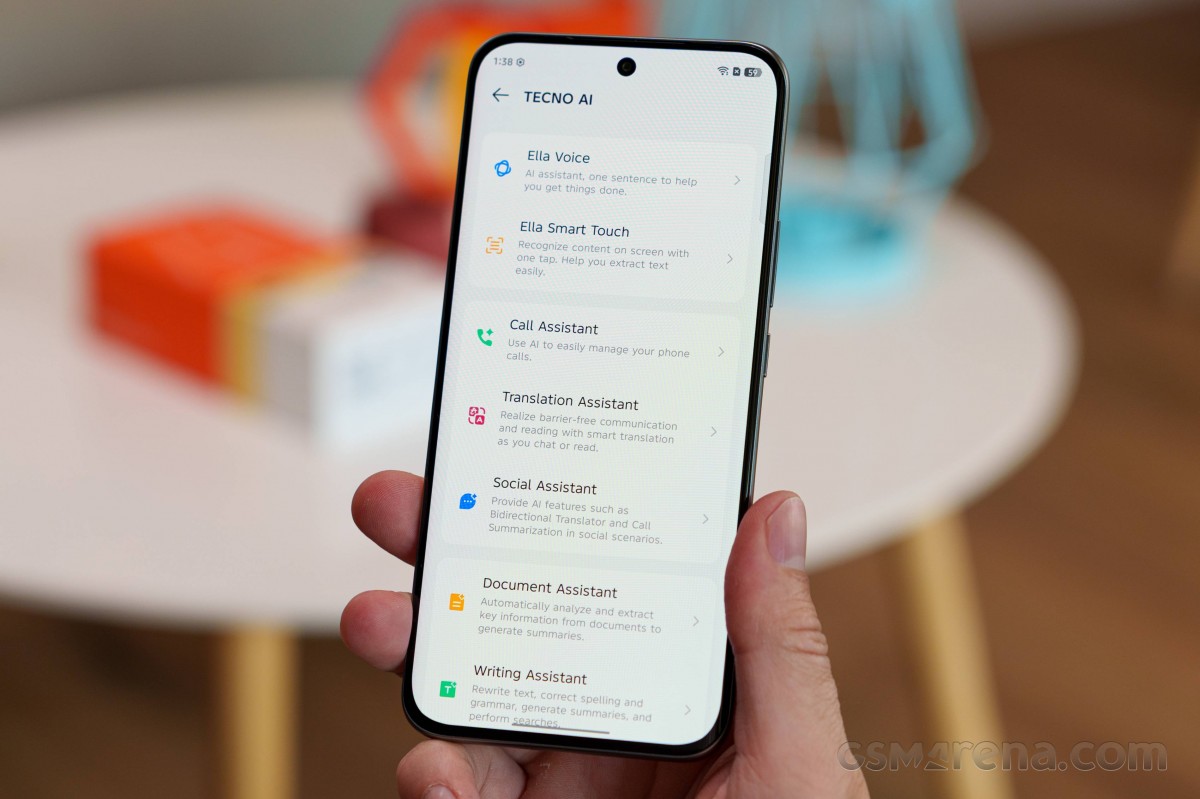
Tecno's AI functions include real-time translations, document and writing assistance, sketch conversion to pictures in notes, wallpaper generation, picture editing (expand, remove objects), and more.
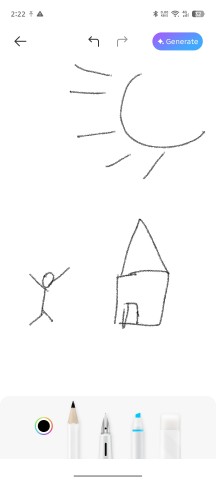

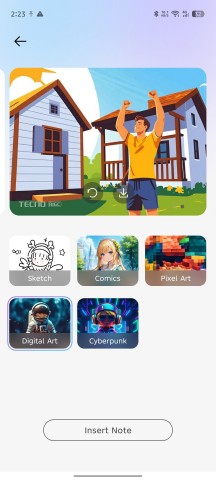



Image AI
Google's Circle to Search is also included out of the box.
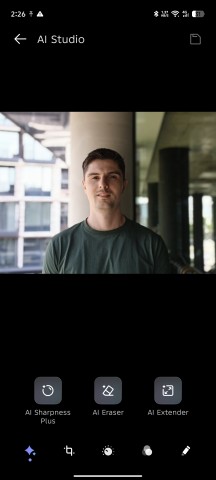
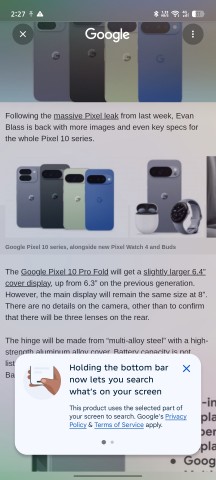
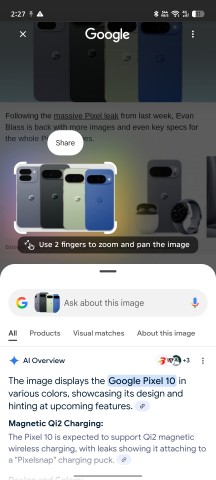
Gallery Edits • Circle to Search
Benchmarks and performance
The Spark 40 Pro+ runs on the pretty new MediaTek Helio G200 mobile platform. It is a 6nm chip from 2025, which, despite its big jump in name, is quite similar to the popular Helio G100.
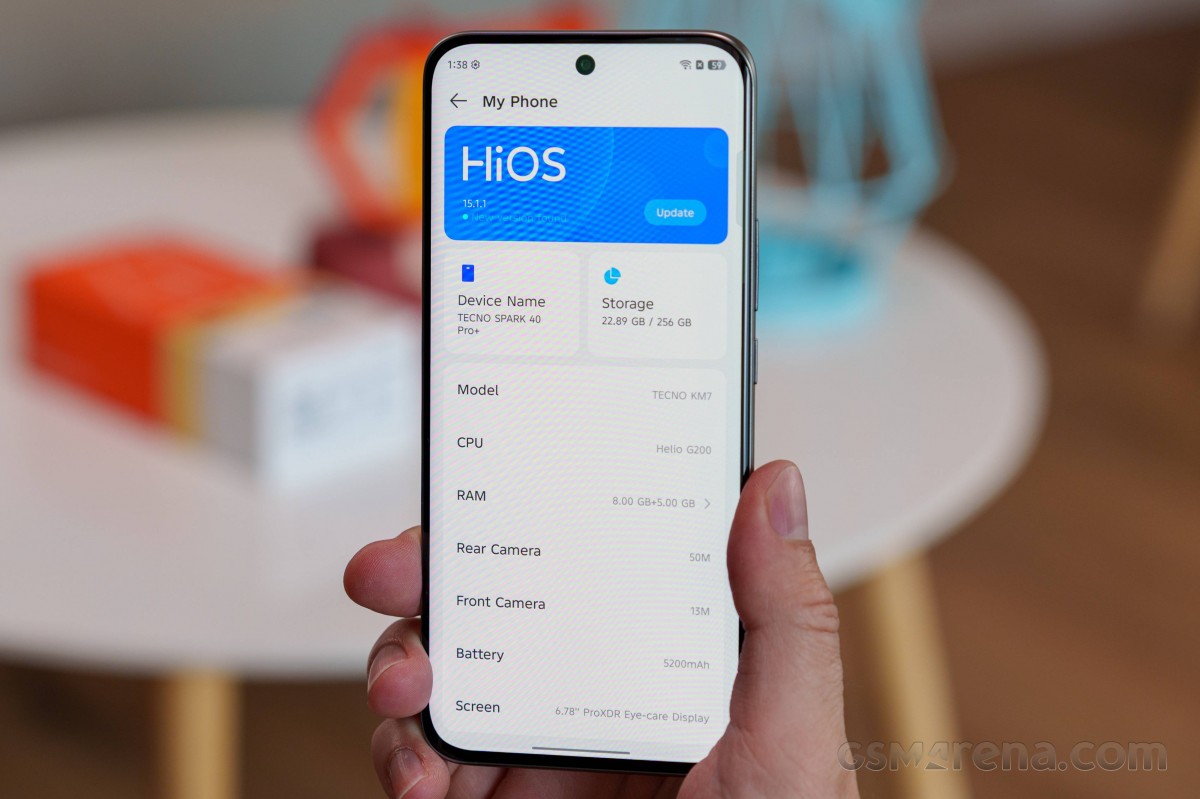
This similarity is especially true in the CPU department, where the G200 has the same two ARM Cortex-A76 big cores, clocked at up to 2.2 GHz and six Cortex-A55 cores working at up to 2.0 GHz. It is paired with a Mali-G57 MC2 GPU, working at a slightly higher 1.1 GHz, compared to the 1.0 GHz of the G100.
In terms of memory, the Spark 40 Pro+ has 8GB of dual-channel LPDDR4X RAM and either 128GB or 256GB of non-expandable storage. Tecno doesn't specifically state what type of storage chips they are. Our storage speed tests show pretty high writing speeds, but with read speeds still in line with the UFS 2.2 spec. We are testing the 256GB version.
Looking at the general benchmark performance numbers, it is clear that we are not looking at a particularly powerful device, but then again, very few new phones in this price range are significantly more powerful.
The CPU performance of the Helio G200 is quite similar to that of the G100 and G99, both very popular chips. The GPU performance is slightly better, and we are happy to report that AnTuTu places the Spark 40 Pro+ quite high on the chart, which is a good indication of its overall fluidity. It is worth reiterating that the GPU is essentially rendering everything at 1080x2400 pixels, which eases the strain a bit.
Speaking of which, in practical terms, we did notice a few slowdowns here and there while using the phone, but nothing major. The UI and most everyday tasks run smoothly without hiccups.
Thermal-throttling
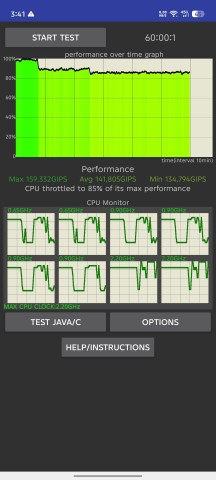
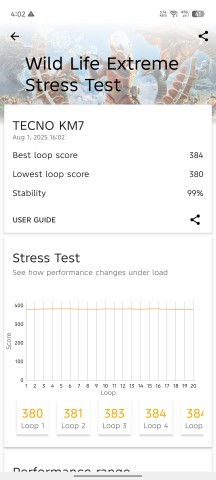
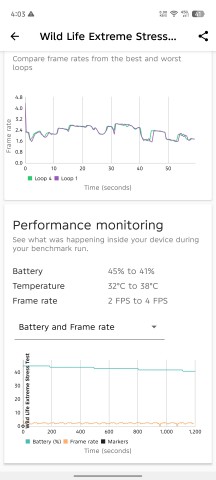
The Helio G200 chipset does not put out a lot of heat and the Tecno Spark 40 Pro+ seems to keep it well at bay.
Thermal-throttling
The phone maintains a large chunk of its performance with prolonged torture testing and exhibits admirable stability in the process. The phone's surface also doesn't get hot at all just lukewarm at best but still perfectly comfortable to handle.
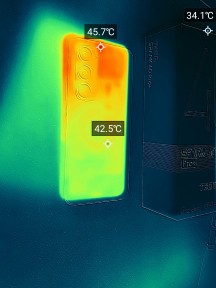
Surface temperature
A single 50MP rear camera
A cursory look at the Spark 40 Pro+ hints at a triple rear camera setup. That's clearly what Tecno intends to convey to its buyers. In reality, the phone has just a single proper rear camera - a 50MP unit. There is an additional auxiliary sensor of some kind, but it can't be considered a full-fledged camera in any way. It's most likely a depth sensor - in our experience, it served no purpose.
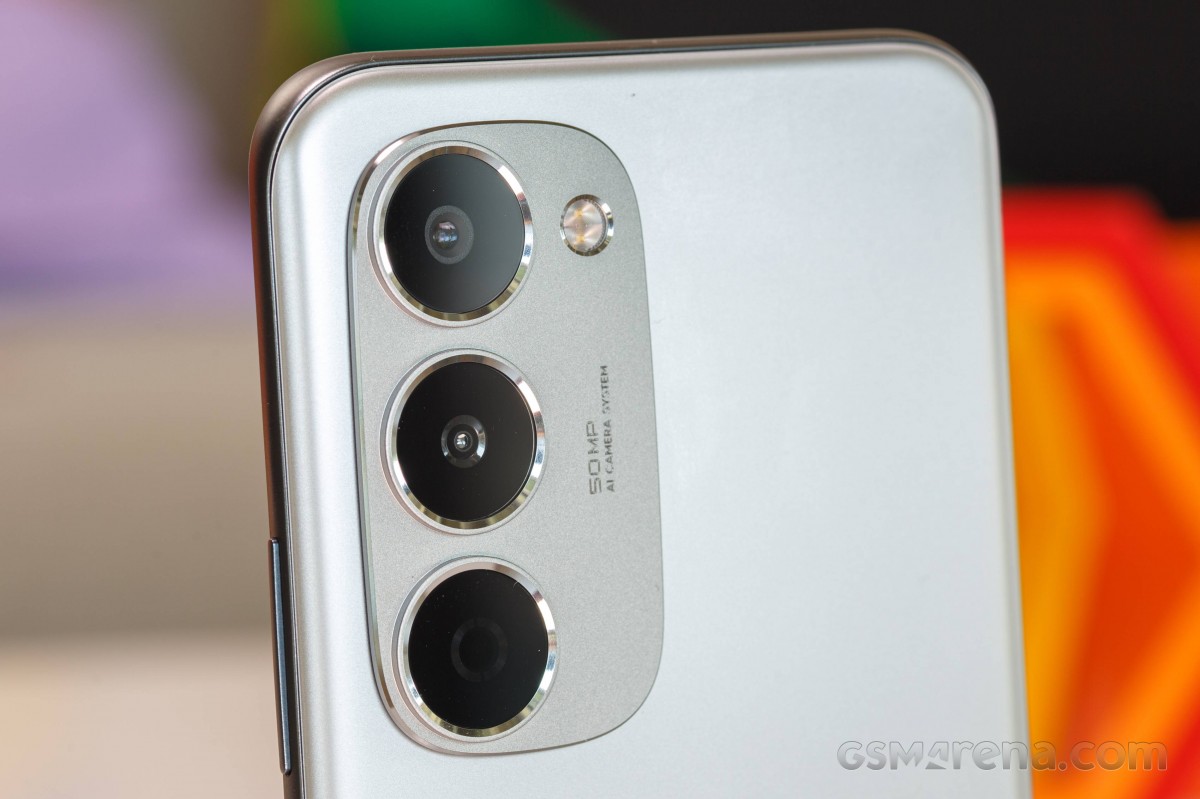
The main camera on the Spark 40 Pro+ is based on the 50MP Hynix HI5022Q sensor. It has a 1/2.8" diagonal and 0.64µm individual pixels. It sits behind an f/1.6 lens with phase detection autofocus (PDAF). Unfortunately, there is no OIS.
On the selfie side, the Spark 40 Pro+ has a 13MP camera. It is based on the GalaxyCore GC13A0 sensor. It is a 1/3.1" sensor with 1.12µm pixels. The camera has fixed focus and an f/2.2 aperture. One interesting curiosity is the addition of two front-facing LEDs meant to help with lighting up selfie subjects in low light.
- Wide (main): 50 MP Hynix HI5022Q, f/1.6, 1/2.8", 0.64µm, PDAF, 1440p@30fps
- Front camera: 13 MP GalaxyCore GC13A0, f/2.2, 1/3.1", 1.12µm; 1080p@30fps; Dual LED front-facing selfie flash
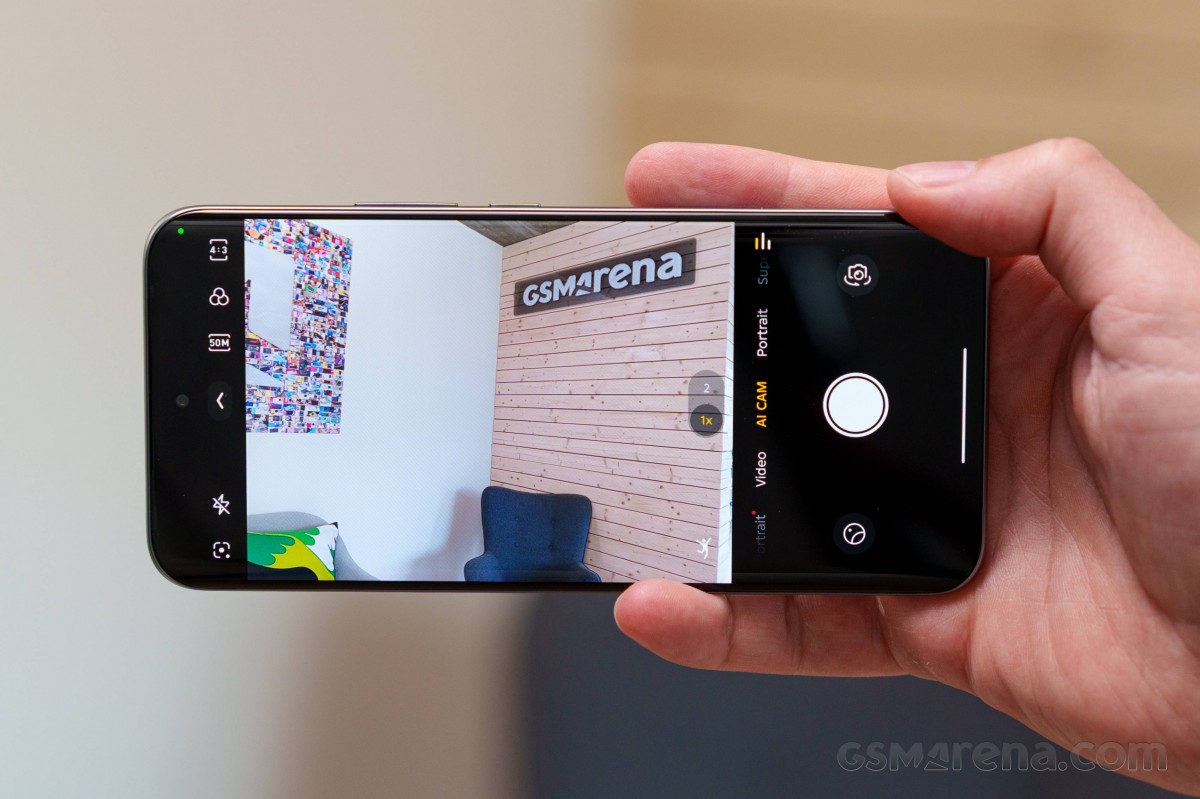
There is nothing particularly special about the camera UI. Everything is laid out logically and is easy to find. The camera app is a bit light on extras and advanced and Pro modes, but that's to be expected on a budget device.
Daylight photo quality
Main camera
The main camera captures decent 12.5MP binned photos. The detail is alright for the class, and so is the contrast. The dynamic range is also surprisingly wide, given how relatively small the sensor is. Still, the camera does have a tendency to clip highlights in challenging light.
















Tecno Spark 40 Pro+: 12.5MP main camera samples
The colors are a bit off. They aren't particularly vivid and are a bit yellowish for our taste. On a positive note, at least the main camera is consistent shot-to-shot.
You can force the main camera to capture in its full 50MP resolution, but there is little practical reason to do so. These shots are a bit less processed and more natural on a pixel level, but don't really offer more detail.












Tecno Spark 40 Pro+: 50MP main camera samples
2x digital zoom crops from the main camera look pretty decent and quite similar to the 1x shots. They are just a bit noisy, which is expected and also don't have the best color rendition.












Tecno Spark 40 Pro+: 12.5MP main camera 2x zoom samples
Interestingly enough, you can capture 50MP shots at 2x zoom as well, but again, you probably don't want to bother. There are no real practical benefits, and you will have to deal with bigger file sizes.












Tecno Spark 40 Pro+: 50MP main camera 2x zoom samples
Portrait shots from the main camera are about as decent as you can expect given the overall quality of the snapper. That is to say that faces come out looking a bit hazy and not entirely in focus or noise-free. That said, subject detection and separation are good, and so is the quality of the background blur.








Tecno Spark 40 Pro+: 12.5MP main camera portrait samples
The Spark 40 Pro+ lacks a dedicated macro mode, but you can still pull off some fairly close-up shots. Just don't expect any amazing results.





Tecno Spark 40 Pro+: 12.5MP main camera macro samples
Selfie camera
The 13MP selfie shots are actually great. There is a lot of skin texture coming through. Skin tones look nice and natural, too. They definitely punch above their class.






Tecno Spark 40 Pro+: 13MP selfie camera samples
While the selfie lacks autofocus, its focal plane is nice and wide and hence quite forgiving to your particular arm's length.
Low-light camera quality
The main camera is mediocre in low-light conditions. The detail is not very good, and the shadows are quite dark. There are some signs of noise, despite the heavy-handed noise suppression.




Tecno Spark 40 Pro+: 12.5MP main camera low-light samples
At 2x zoom, noise starts creeping up quite rapidly.




Tecno Spark 40 Pro+: 12.5MP main camera low-light 2x zoom samples
The Spark 40 Pro+ has an automatic night mode that triggers quite consistently. However, there is also a dedicated Super Night mode. It tends to offer longer capture times and more image stacking. As a result, photos do look a bit sharper and cleaner with better contrast - the improvement is especially noticeable at 2x.




Tecno Spark 40 Pro+: 12.5MP main camera night mode samples




Tecno Spark 40 Pro+: 12.5MP main camera night mode 2x zoom samples
Finally, we have some low-light selfies. These look surprisingly good in our opinion. The two front-facing selfie LEDs do help in lighting up the subject. There is a screen flash by default as well. Detail looks good, and so does skin texture.




Tecno Spark 40 Pro+: 13MP selfie camera low-light samples
We wouldn't say that Night mode consistently helps low-light selfies look better. Sometimes it can be beneficial. Other times, it just puts a layer of bright haze on top of the photo.




Tecno Spark 40 Pro+: 13MP selfie camera night mode samples
Video capture quality
The Spark 40 Pro+ captures video in a standard H.264/AVC video stream (around 20 Mbps at FullHD and around 50 Mbps at QHD) plus a stereo AAC stream, packaged inside an MP4 container. H.265/HEVC capture is available as an alternative to save on space at the same quality level. There is no 4K recording.
At QHD, videos look quite good. The detail is great for this resolution, there is little noise, and the colors look quite alright. The only real problem is that there is no stabilization available at QHD. You have to drop down to FullHD to get that, and it helps with video usability and watchability a lot. On the flip side, however, you also take a significant hit to detail, which is not ideal.
Low-light video isn't particularly impressive in any way. QHD clips are noisy with limited dynamic range and contrast. Detail isn't great either. Once you flip on stabilization, the detail becomes worse still. Overall, nothing to phone home about.
The competition
At the time of writing, a Spark 40 Pro+ will set you back around $200. That's not a lot of money, but there are some interesting viable competitors to consider on the current market.
The Samsung Galaxy A26 offers 5G and great build quality, including Gorilla Glass Victus+ on both the front and back sides and an IP67 ingress protection rating, which should allow it to survive an actual submersion in water compared to the Spark's water splashes. You also get expandable storage with the Galaxy (which you might need, seeing how the base version is 6GB/128GB memory) and a great support commitment for a whopping six major software updates. On the flip side, the display isn't quite as nice or bright as Tecno's. There are also no stereo speakers, and you get no wireless or reverse charging, and slower wired charging. It's also some 20% more expensive on the market where the two are available together.
Over in camp Xiaomi, we have the ever-popular Redmi Note 14 series. And while the Redmi Note 14 Pro 5G might be a bit too expensive for the price range we are working with, you can definitely get yourself a Redmi Note 14 4G. In fact, you can get the top 8GB/256GB variant. Or, alternatively, save some money on storage since the Note 14 4G does have a microSD slot. It also offers a great display, although not as good as the Tecno one. Also, stereo speakers, four major OS updates, and a large 5,500 mAh battery. The 108MP main camera on the Redmi is also arguably better. However, there are compromises like a simple IP54 ingress protection rating on the Redmi.
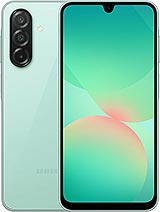
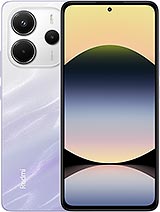
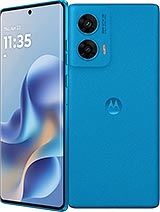
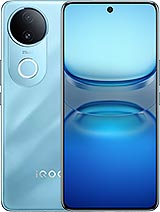
Samsung Galaxy A26 • Xiaomi Redmi Note 14 4G • Motorola G96 • vivo iQOO Z10R
Over at Camp Motorola, you can get the Moto G96. It also has an IP68 ingress protection rating and should survive being submerged. It also has a more versatile camera setup with an ultrawide and 4K video capture, thanks to the overall more potent Snapdragon 7s Gen 2 chipset. You also get a large 5,500 mAh battery. Just one OS update, though.
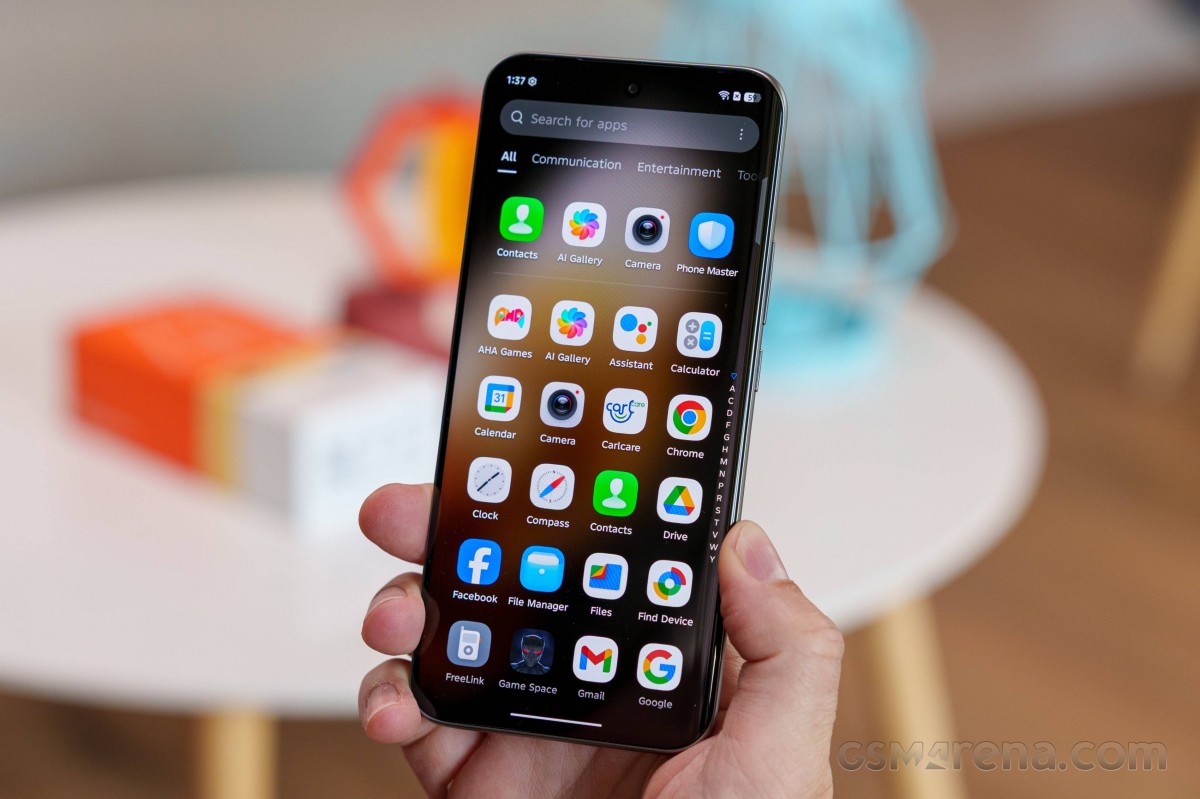
The vivo iQOO Z10R is a device with somewhat regionally limited availability. However, it is an interesting offer. Some of the highlights include an IP68/IP69 and MIL-STD-810H ingress protection rating. The Dimensity 7400 is also a more capable chipset that allows for 4K video capture. The vivo also has OIS on its main camera. Plus, a large 5,700 mAh battery.
Our verdict
The Tecno Spark 40 Pro+ manages to stand out in a crowded budget segment by offering a remarkably slim and lightweight body without skimping on features. The star of the show is undoubtedly the AMOLED display - incredibly bright, impressively smooth, and color-rich, even if its native resolution and refresh rate claims come with a bit of trickery. Still, in day-to-day use, it's one of the best displays in this price bracket.
Performance from the Helio G200 is respectable, and the phone remains fluid enough for typical tasks. Camera quality, both from the main and selfie shooters, is surprisingly capable for the class - consistent, detailed, and reliable even in lower light. There's also a solid connectivity suite with NFC, an IR blaster, stereo speakers, and even wireless and reverse wireless charging - a rare set of features in the sub-$250 space.
Unfortunately, it's not all smooth sailing. Battery life is underwhelming given the large capacity, and loudspeaker performance is just average. But perhaps the biggest red flag is Tecno's poor software support commitment - just two years of security patches and there is no specific number of major OS updates promised.
Still, taken as it is today, the Spark 40 Pro+ is one of the most feature-packed and thoughtfully equipped sub-$200 phones around. As long as you don't expect long-term support or regular updates down the line, it delivers great value and it's worth recommending.
Pros
- Thin and impressively lightweight design.
- Excellent AMOLED display: bright, colorful, and smooth.
- Solid main and selfie cameras for the class.
- Stereo speakers and Hi-Res Audio support.
- NFC, IR blaster, FM radio.
- Wireless charging, reverse wireless charging, and bypass charging.
- Great selfie quality and practical dual LED front-facing flash.
Cons
- Mediocre low-light photos.
- No 4K video recording (just 1440p) and only 1080p video has stabilization.
- Battery life is underwhelming.
- No eSIM support.

