Moto G Stylus 5G (2025) review
Introduction, specs, unboxing
Here is a phone only the a couple of markets gets to enjoy, which is a shame as it is the only affordable alternative to Samsung's S Pen-wielding flagship. Yes, we are talking about the Motorola Moto G Stylus 5G (2025)! It's a stylish smartphone with a stylus, pun intended, upper mid-range specs, and clean yet powerful Android OS.
The Motorola Moto G Stylus 5G (2025) finally brings a long-awaited feature - complete dust and water protection (IP68 rating), enhanced with certifications for a couple of MIL-STD-810H standards for durability and extreme conditions like humidity, temperature, and altitude amplitudes. The design remains the same - a Gorilla Glass front and a back panel covered with cool-looking eco leather.
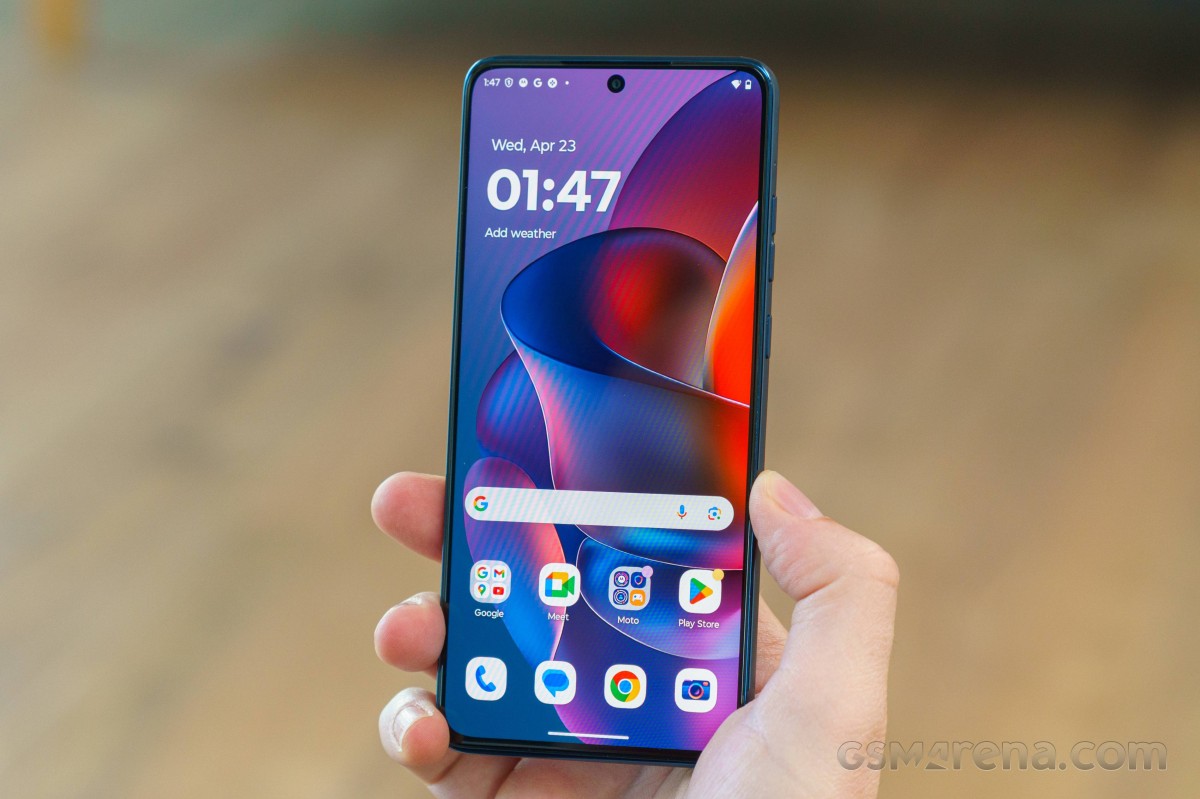
The 6.7-inch 120Hz AMOLED screen has been upgraded with more pixels - it now has a resolution of 1,220 x 2,712 pixels. It supports 10-bit color depth and can now show HDR content.
The chip is a minor update - Snapdragon 6 Gen 3, up from SD 6 Gen 1. This Moto is available only with 8GB RAM and 256GB storage. MicroSD expansion is still onboard, which is so rare nowadays.
The cameras appear to have been lifted from the Moto G Stylus (2024) - a 50MP OIS primary and a 13MP AF ultrawide, plus a 32MP selfie shooter. They all support 4K video capturing.
Motorola Moto G Stylus 5G (2025) comes with a 5,000mAh battery that is now capable of even faster 68W TurboCharging. And if you are a fan of wireless charging, that is also present and maxes out at 15W power.
Motorola Moto G Stylus 5G (2025) boots Android 15 with Google's AI and the usual stylus-related features.
Motorola Moto G Stylus 5G (2025) specs at a glance:
- Body: 162.2x74.8x8.3mm, 191g; Glass front (Gorilla Glass 3), silicone polymer (eco leather) back, plastic frame; Stylus, IP68 dust tight and water resistant (immersible up to 1.5m for 30 min), MIL-STD-810H compliant*, * does not guarantee ruggedness or use in extreme conditions.
- Display: 6.70" AMOLED, 1B colors, 120Hz, HDR, 3000 nits (peak), 1220x2712px resolution, 20.01:9 aspect ratio, 444ppi.
- Chipset: Qualcomm SM6475-AB Snapdragon 6 Gen 3 (4 nm): Octa-core (4x2.4 GHz Cortex-A78 & 4x1.8 GHz Cortex-A55); Adreno 710.
- Memory: 256GB 8GB RAM; UFS 2.2; microSDXC (dedicated slot).
- OS/Software: Android 15.
- Rear camera: Wide (main): 50 MP, f/1.8, 24mm, 1/1.56", 1.0µm, multi-directional PDAF, OIS; Ultra wide angle: 13 MP, f/2.2, 16mm, 120˚, 1/3.0", 1.12µm, PDAF.
- Front camera: 32 MP, f/2.2, 25mm (wide), 1/3.14", 0.7µm.
- Video capture: Rear camera: 4K@30fps, 1080p@30/60/120fps; Front camera: 4K@30fps, 1080p@30/60fps.
- Battery: 5000mAh; 68W wired, 15W wireless.
- Connectivity: 5G; eSIM; Wi-Fi 6e; BT 5.4; NFC; 3.5mm jack.
- Misc: Fingerprint reader (under display, optical); stereo speakers (with Dolby Atmos); Circle to Search.
Looking through the specs of the new Moto G Stylus (2025), it appears that there is nothing missing. For a $400 phone that has so many cool tricks in its bag, we cannot want more. And we are happy that Motorola upgraded all aspects that were due for one!
Unboxing the Motorola Moto G Stylus 5G (2025)
The Motorola Moto G Stylus 5G (2025) arrives in a thin paper box, which contains the phone and a USB-C cable. That's it.
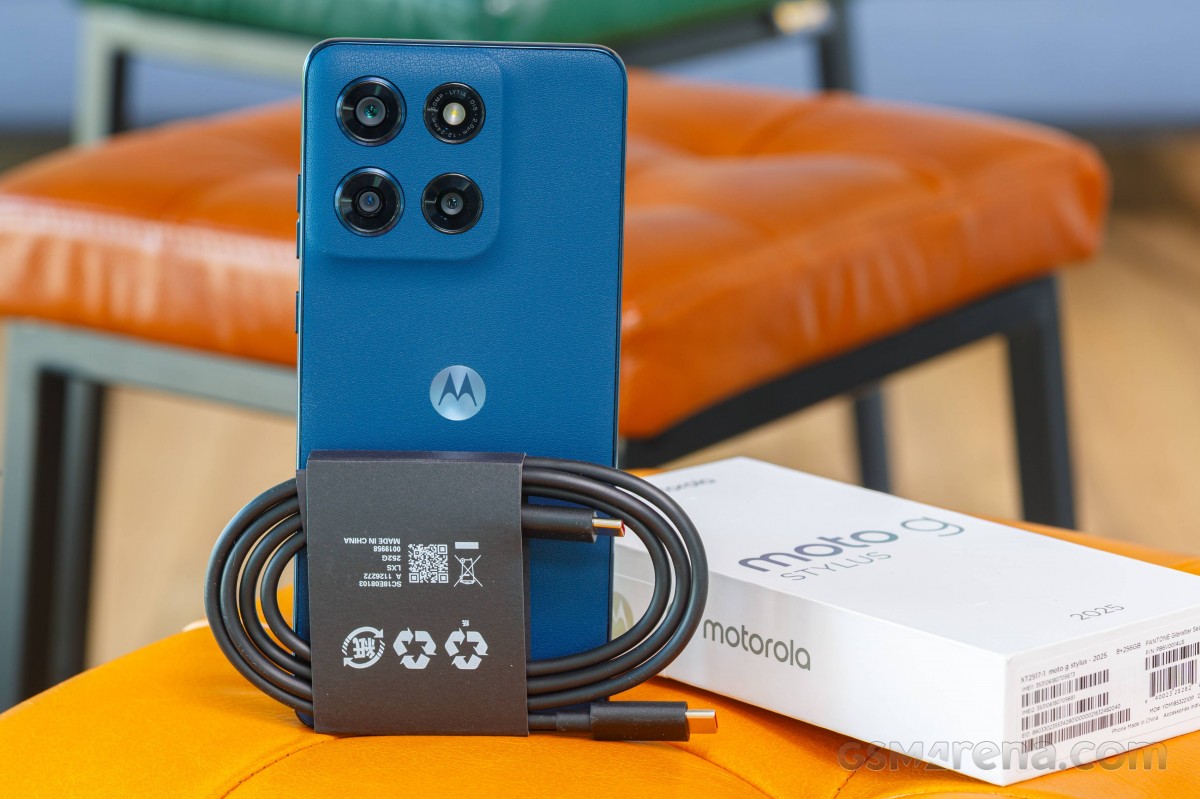
There is no case or a screen protector as part of the retail bundle.
Design, build, handling
The Motorola Moto G Stylus 5G (2025) looks a lot like the recent Edge models, which is a good thing. The maker has established a recognizable design language, which is not only unique, but also universally considered as easily likable. And, once again, it has partnered with Pantone for two special colorways.
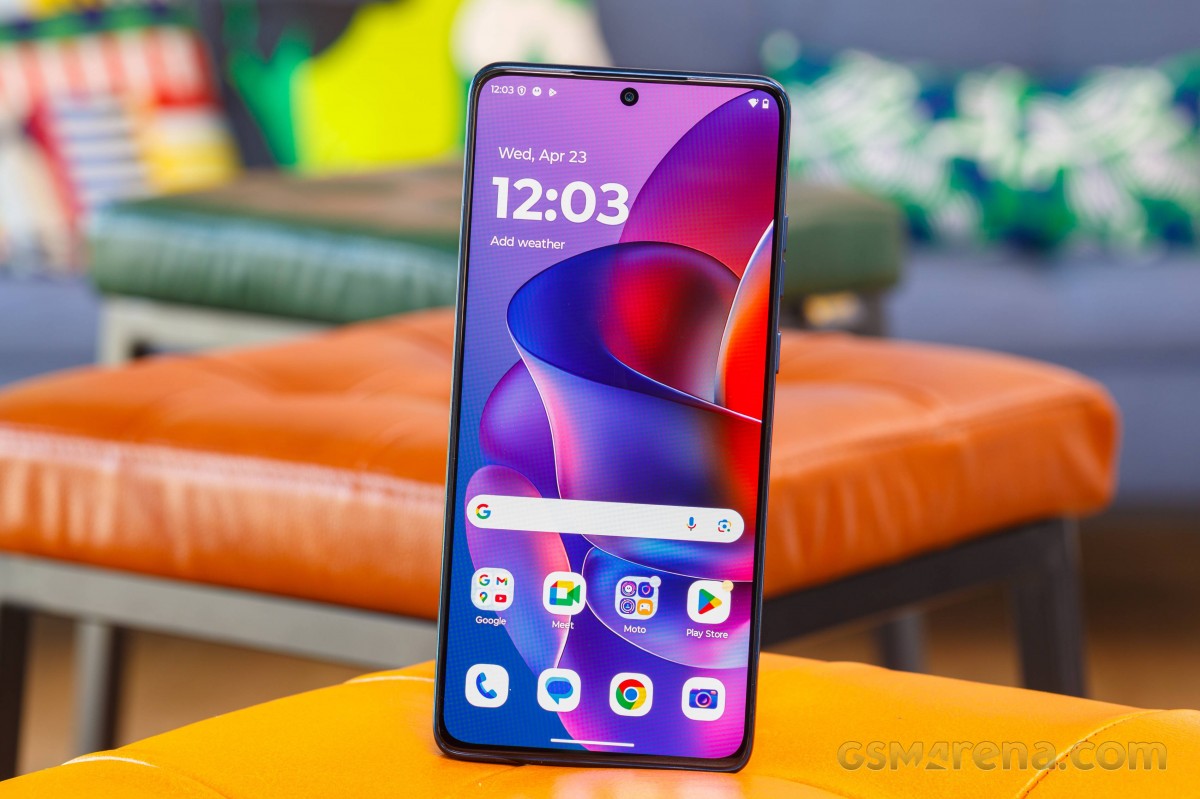
The Moto G Stylus (2025) has a flat Gorilla Glass 3 front and this year marks the first time we get to know the glass model that keeps the screen safe. While GG3 is quite a few generations removed from the latest Gorilla Glass, it should still strike a good balance between scratch resistance (hardness) and shatterproofing (softness).
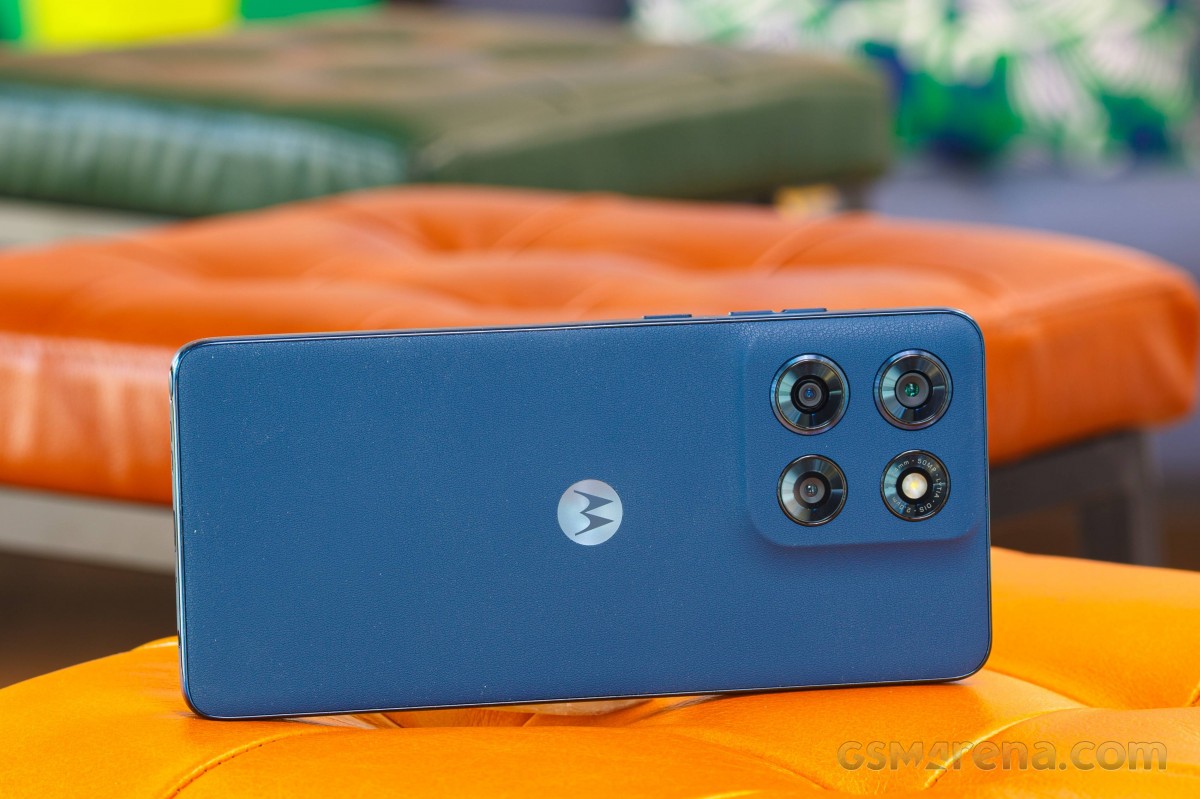
The back of the Moto G Stylus (2025) is a plastic piece covered with eco leather. The two colors are Pantone Gibraltar Sea and Pantone Surf the Web. Both are different shades of blue - the first one is a toned-down blue, while the second is lighter and flashier.
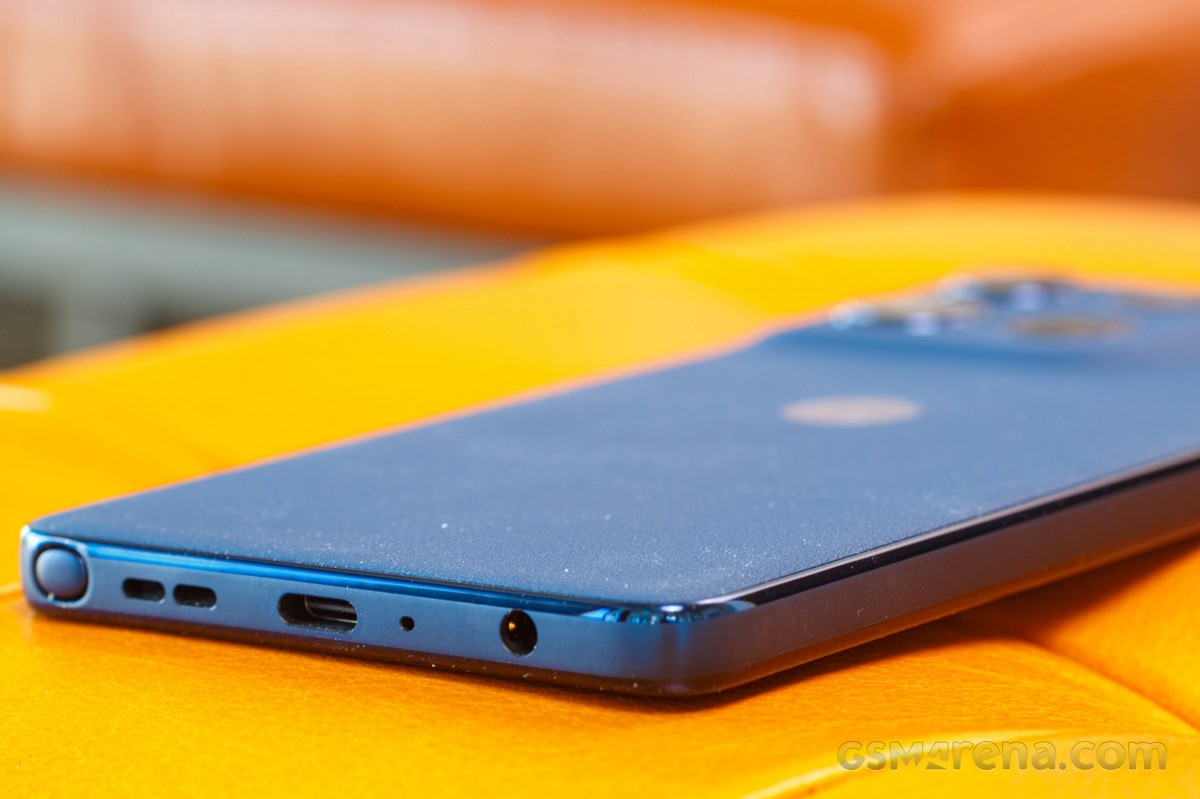
The frame is made of plastic.
This year, the Moto G Stylus got a massive update regarding durability - the phone is now IP68-rated for dust and water protection. It also allegedly covers several MIL-STD-810H standards for operating in extreme environments like being subjected to shock, temperature fluctuations, humidity and altitude amplitudes.
And now, a quick look around the Moto G Stylus (2025)!
The front is where you can see the 6.7-inch AMOLED screen with 1,220p resolution and 120Hz refresh rate. It has reasonably thin bezels and we do appreciate the updated pixel density and HDR capabilities.
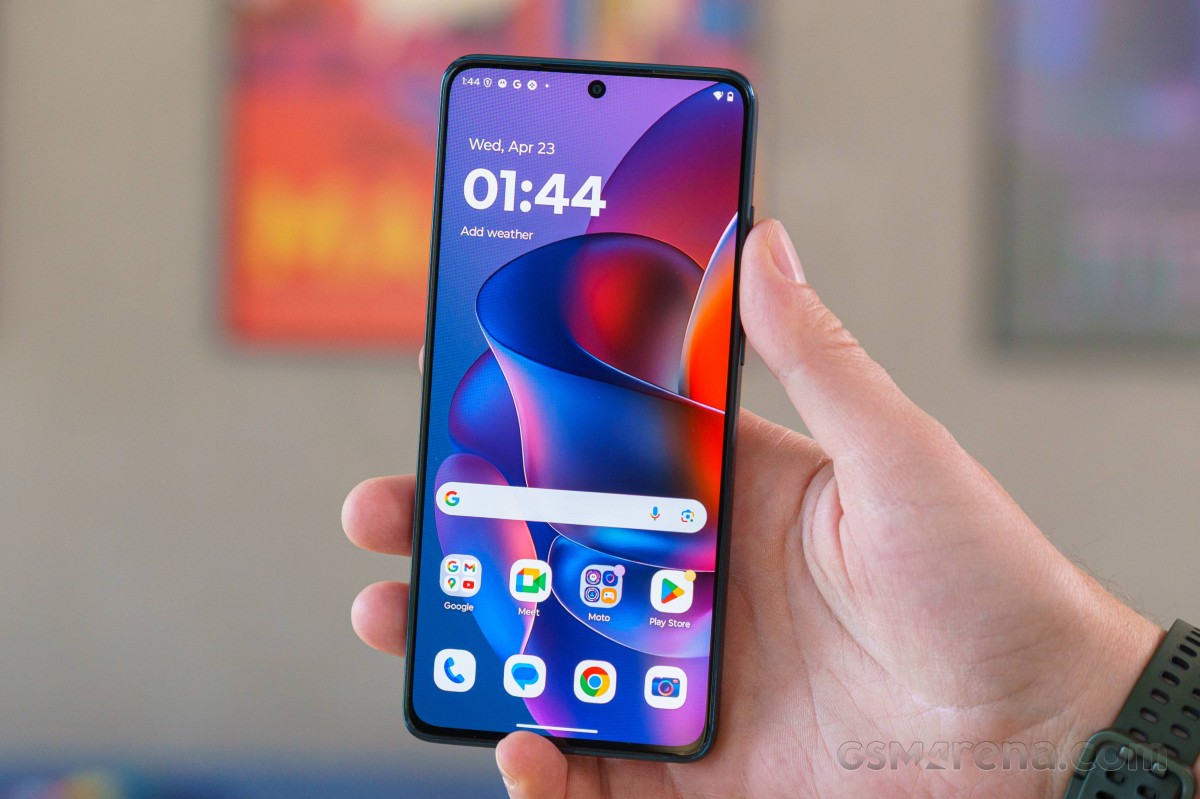
Naturally, there is a small perforation centered around the top to make way for the 32MP selfie camera.
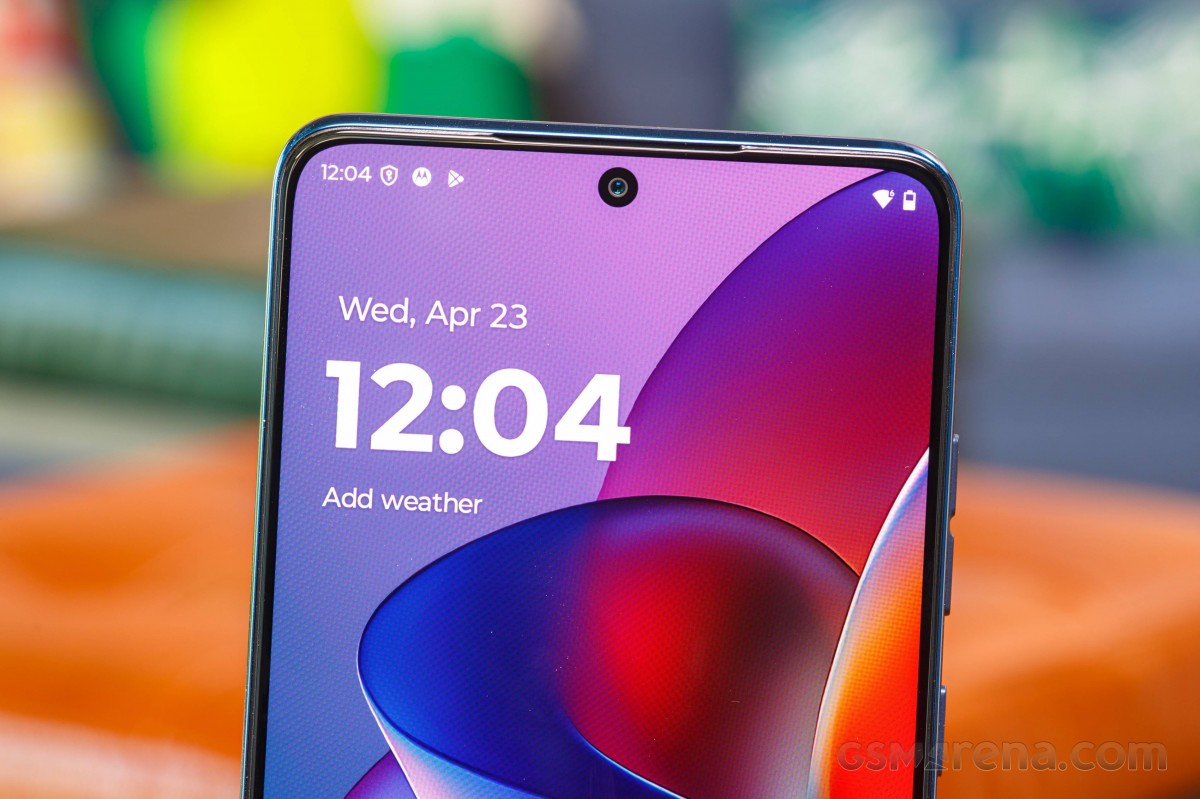
The earpiece above the screen pulls a double duty as a stereo speaker. And together with the bottom-firing one, the setup now supports Dolby Atmos.
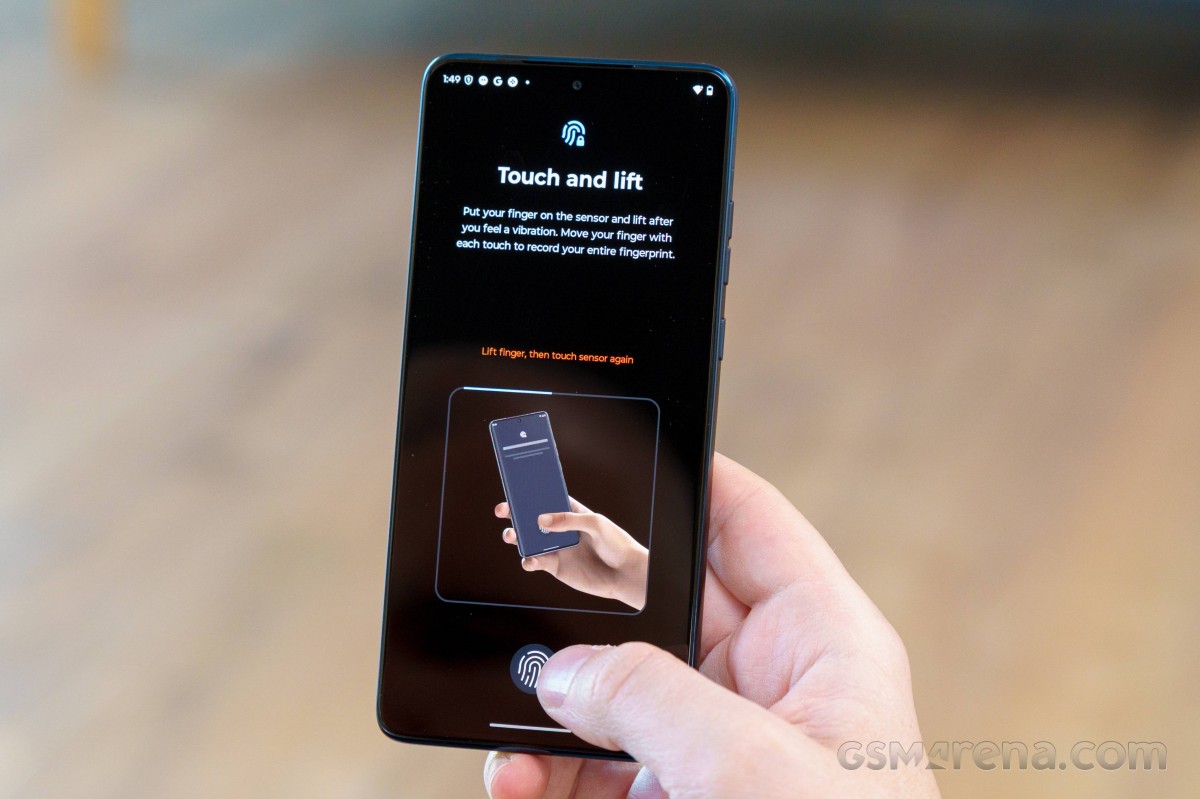
The Moto G Stylus (2025) packs an optical fingerprint scanner below the screen. We have no complaints about its speed and accuracy.
The back is all covered with eco leather, without any interruptions. The panel rises to envelop the camera island in a natural way, so it does not add much thickness or make the phone wobble a whole lot.
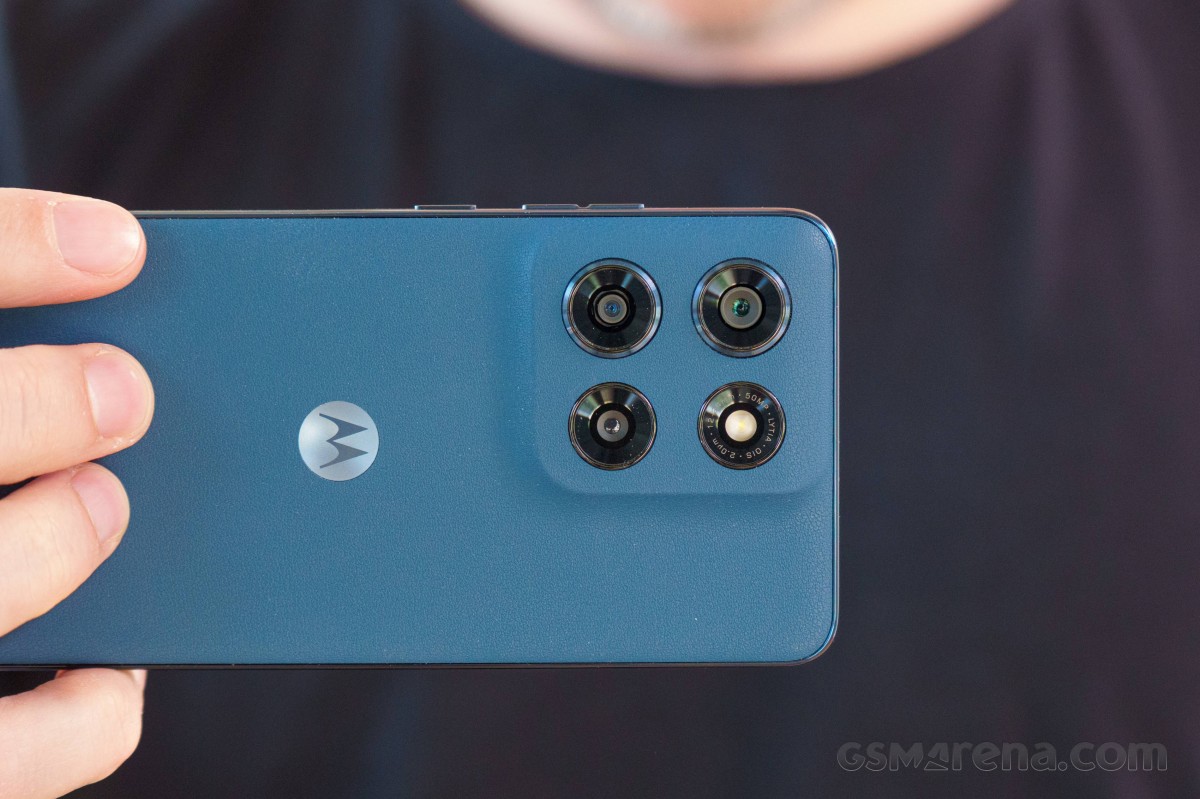
Speaker about the camera, there are four rings at the back - one for the 50MP OIS primary, another one for the 13MP AF ultrawide, a third one for the LED flash, and the fourth is, well, a dummy one - just for symmetry (go figure!)
The plastic frame has a matte finish, and together with the grippy eco-leather back, they make for a strong and secure grip, worry-free without ever needing to slap a case. Nice!
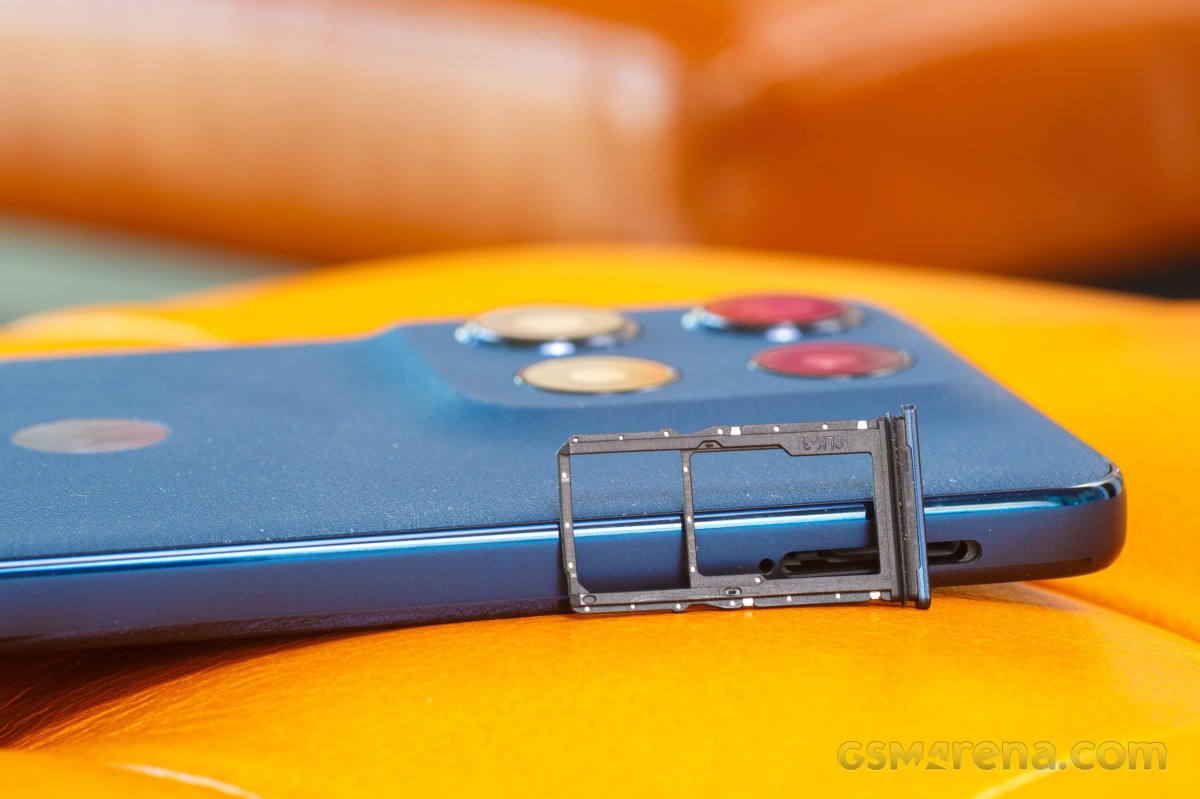
The card tray is on the left and it can take one nano-SIM card and one microSD. The Moto G Stylus (2025) is a dual-SIM phone, but the second SIM can be eSIM only.
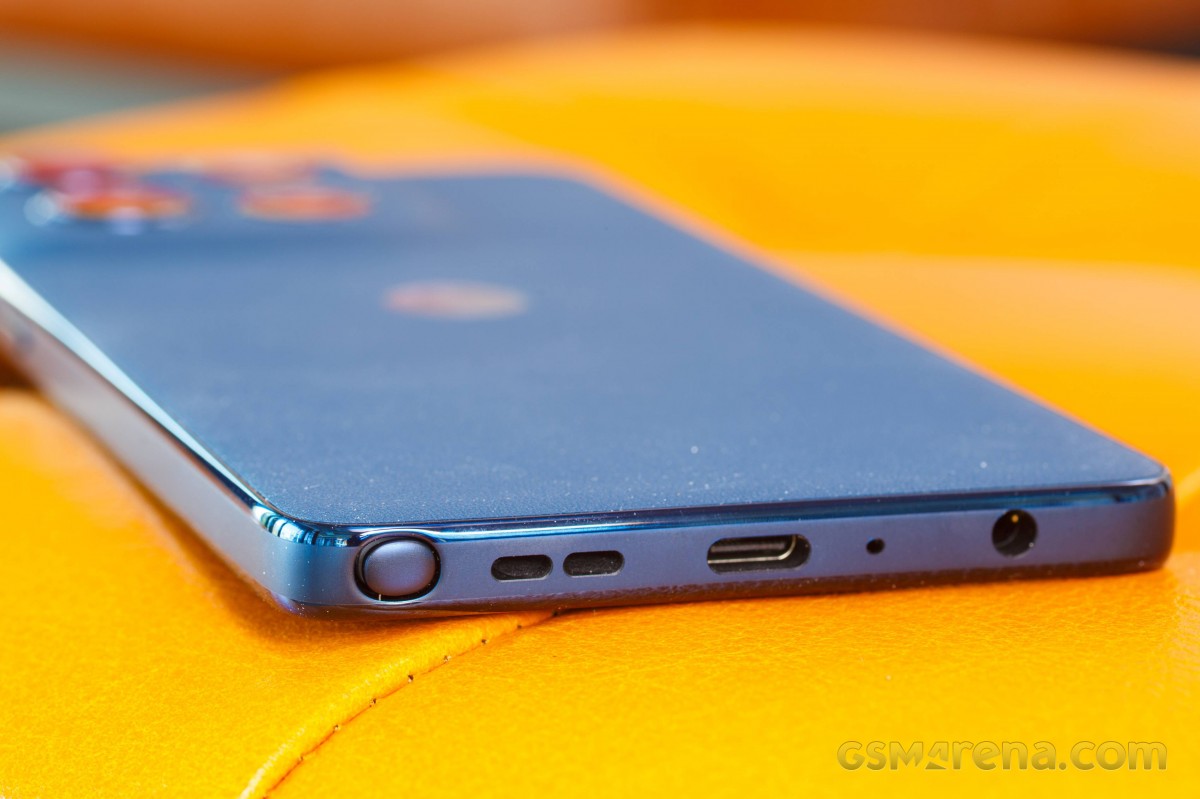
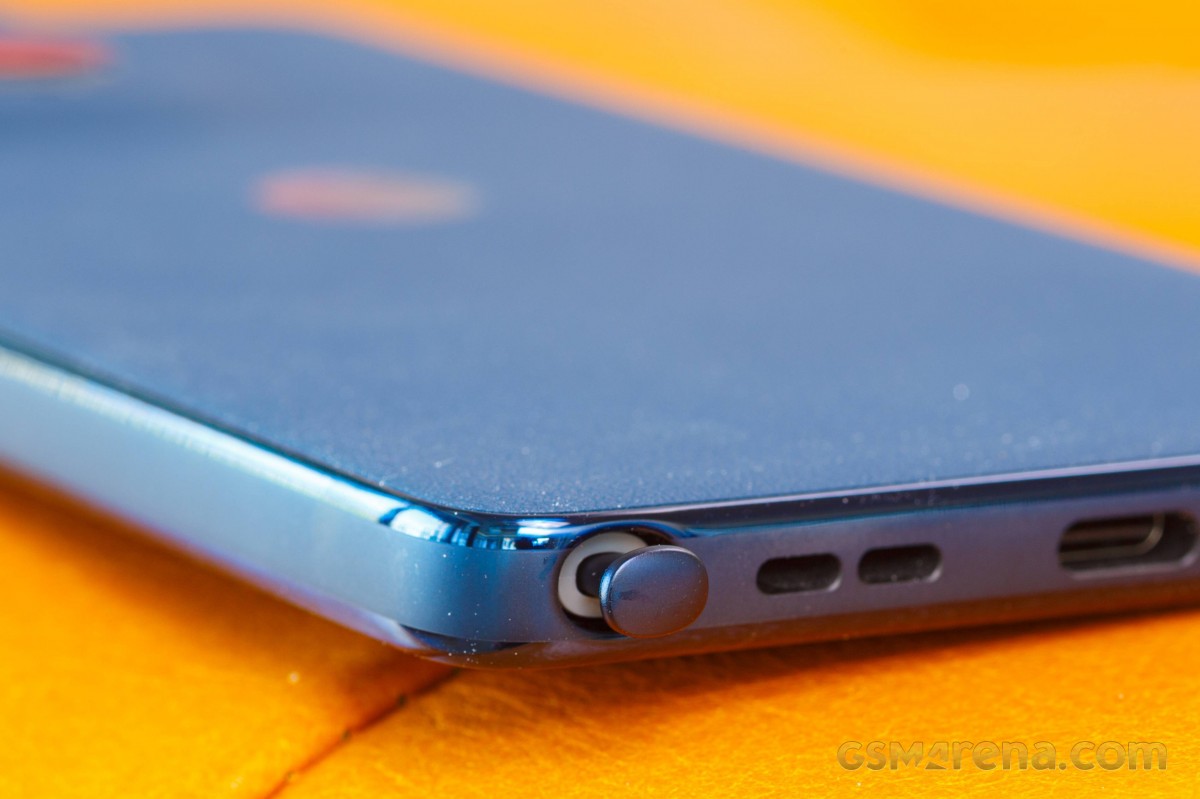
The bottom has a 3.5mm jack, a USB-C port, the primary mic, the second stereo speaker, and the stylus bed. The stylus and its operation haven't changed one bit - you push to eject, the click is super nice, and if you the screen was locked, the note app opens so you can take a note or a sketch right away.
The stylus is a passive one, quite expectedly. It is comfortable to use, the right size for most hands, and its clicker is awesome. It has no action buttons on it. Oh, and its sides are symmetrical, so it is easy to put back.
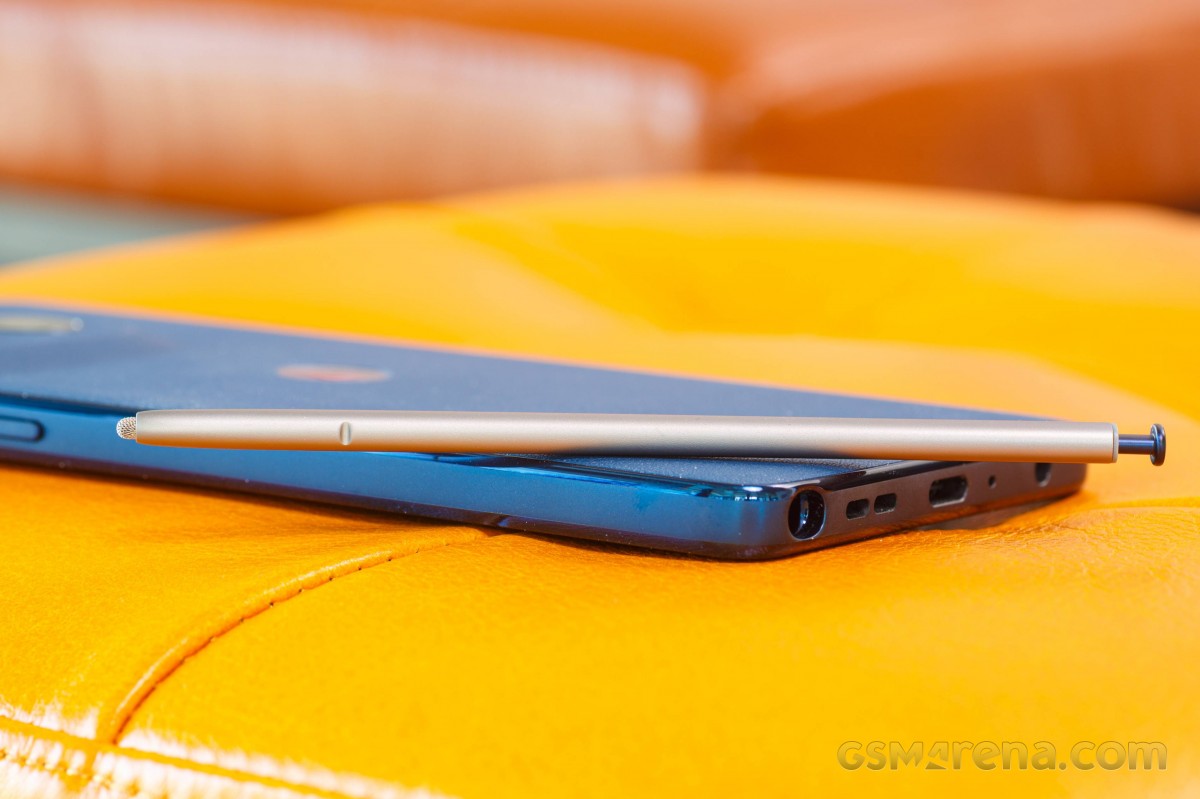
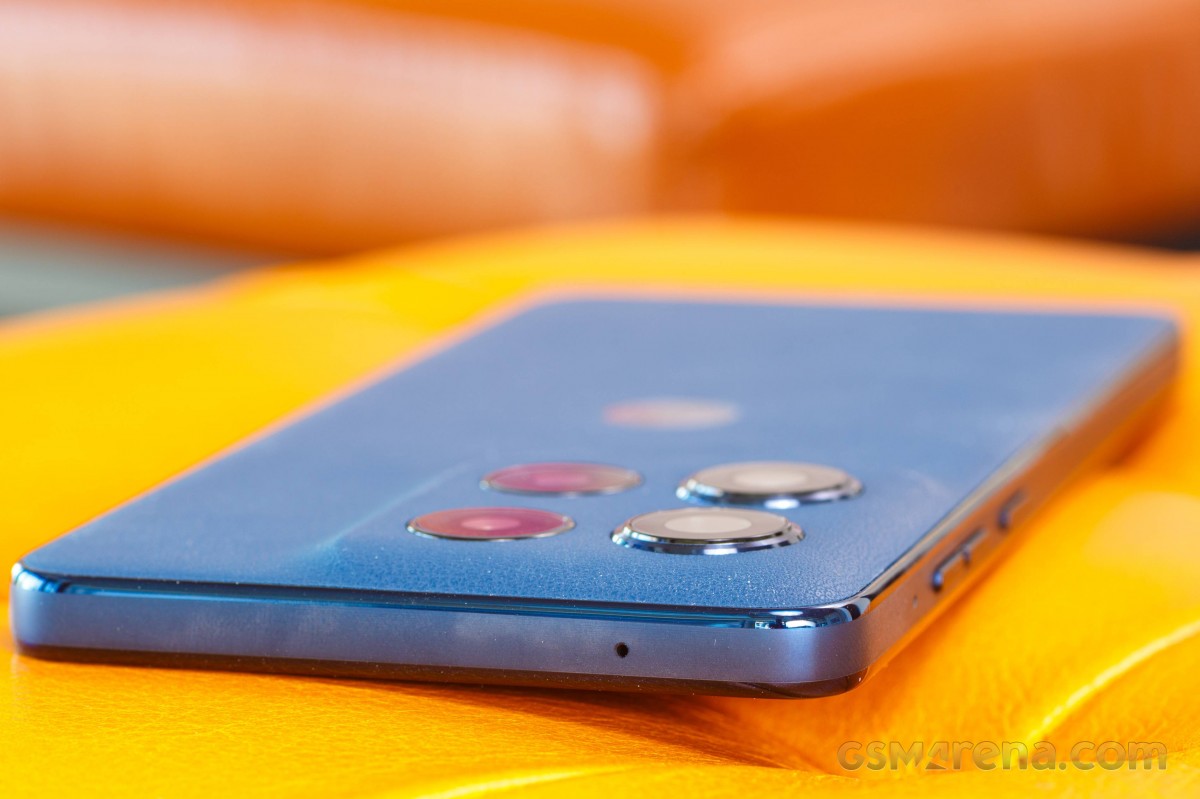
The final bits around the frame are the top microphone and the volume and power/lock keys on the right side.
The Moto G Stylus (2025) measures 162.2 x 74.8 x 8.3 mm and weighs 191 grams, which makes it identical to the 2024 model, but 1mm thinner and 11g lighter than the 2023 version. In fact, it feels impressively light in hand for the size.
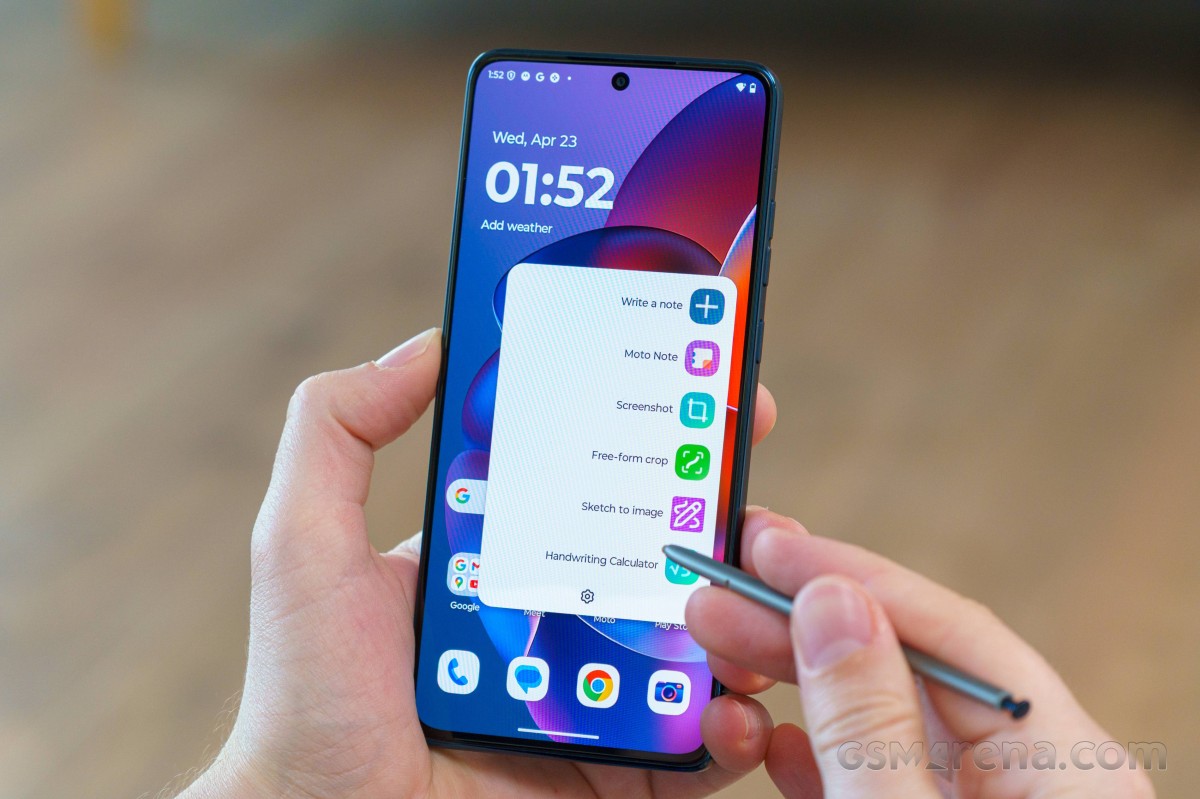
We liked the new Moto G Stylus (2025) - it has a beautiful, recognizable design with a sturdy build and grippy finish. The stylus is easy to use and write with.
Finally, the two blue versions are cool, although we think a red or a silver paintjob would have given the users even more choices.
Display
The Motorola Moto G Stylus (2025) packs a 6.7-inch AMOLED screen with 1,220 x 2,712 pixels (444ppi), 1B colors, 120Hz refresh rate, and HDR support.
The screen is protected by a Gorilla Glass 3 shield from Corning.
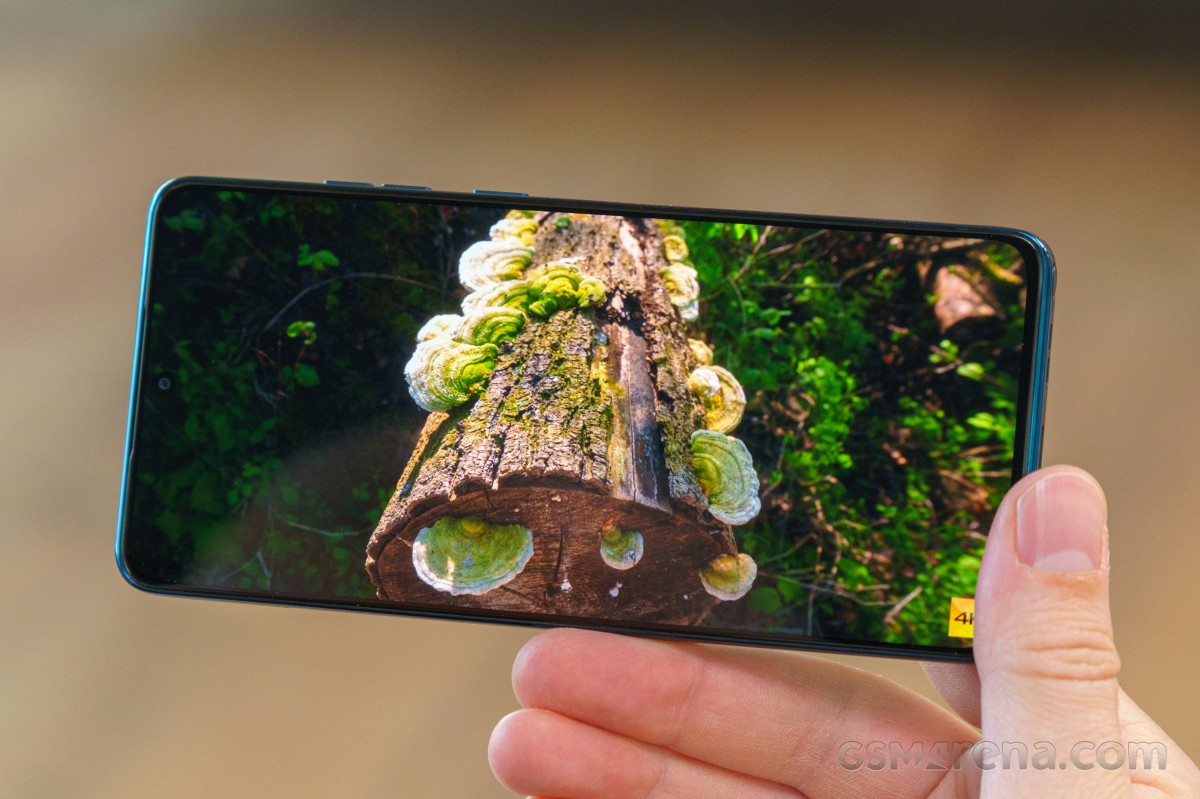
Motorola has listed only the peak brightness for this model - 3,000 nits.
We captured 513 nits of maximum manual and 1,870 nits of maximum automatic brightness, the latter being an excellent number for the class. The minimum brightness with our white patch on screen was 3 nits.
The screen looks great in daily use. It has slim bezels, nice colors, and contrast, which don't change when you look at it at an angle.
The Motorola Moto G Stylus (2025) screen supports 120Hz refresh rate. There are three options - Auto, 60Hz, and 120Hz.
Both Auto and 120Hz settings offer similar behavior - they dial down to 60Hz for idle mode and for videos with up to 60fps. There are various apps and games that support 90Hz and 120Hz. The only difference is that Auto prefers 90Hz for the entirety of the UI most of the time and most apps.
The 60Hz mode always uses 60Hz, quite expectedly.
Finally, despite listing HDR capabilities, the Moto G Stylus (2025) has no HDR certifications whatsoever. That is why it can stream in high resolution from all apps, but in standard definition.
Battery life
The Moto G Stylus (2025) is powered by a 5,000mAh battery, just like the 2024 model. Motorola promises a combined battery life of 40 hours on a single charge.
In our own testing, the new Moto G Stylus 2025 scored an Active Use Score of 10:05h, almost 3h lower than the 2024 model. While the call and video streaming times remain solid, the web browsing and gaming times are quite underwhelming for some reason.
Update, 12 May: Some further testing after this review was published verified the unusually low scores - the Active use score improved ever so slightly from 9:45h to 10:05h, but it remains underwhelming nevertheless.
Charging speed
The Motorola Moto G Stylus 5G (2025) supports 68W TurboCharge wired charging and 15W wireless charging. It comes without a bundled power adapter, so you can either buy Motorola's own 68W brick or use any 68W+ rated USB-PD charger sold on the market if you want the fastest charging possible.
We had the 68W Moto charger, and we carried out our charging test with it.
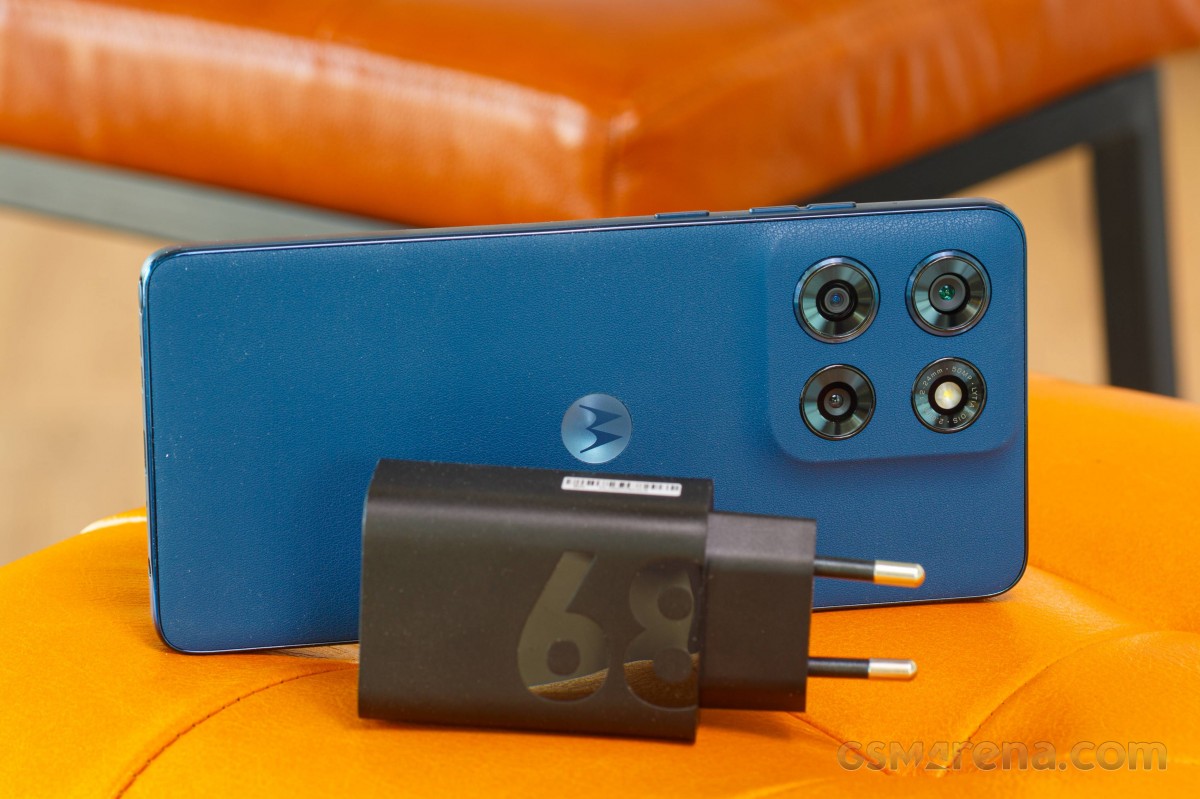
The Moto G Stylus 5G (2025) is quite quick to recharge its 5,000mAh battery with the said adapter - we got 45% in 15mins, 81% in 30mins, and 100% was reached in 41mins sharp.
Optimized charging and overcharge protection options are available if you aim to prioritize the battery's longevity.
Charge boost is the opposite - it recharges faster, but the battery gets warmer. This is the mode we used for our charging test to achieve the fastest charging times possible.
Speakers - loudness and quality
The Motorola Moto G Stylus 5G (2025) has stereo speakers and the setup is the usual hybrid type where the earpiece doubles as a stereo speaker. There is one update here since last year - there is now Dolby Atmos enhancement, and it is turned on by default in Smart mode.
The earpiece is quieter than the bottom speaker, but the sound is balanced quite well because of its front-facing position.
The speakers scored an Excellent mark for loudness, while their quality is only average. The sound is focused on the high frequency range (hence the excellent for loudness), the vocals are a bit lacking, and there is little to no bass.
Use the Playback controls to listen to the phone sample recordings (best use headphones). We measure the average loudness of the speakers in LUFS. A lower absolute value means a louder sound. A look at the frequency response chart will tell you how far off the ideal "0db" flat line is the reproduction of the bass, treble, and mid frequencies. You can add more phones to compare how they differ.
Android 15, Moto app, stylus
The Motorola Moto G Stylus 5G (2025) boots Android 15 with Hello UI by Moto. It will receive 2 OS updates and three years of bi-monthly security updates. The 2024 model got only one major update, so there is an improvement.
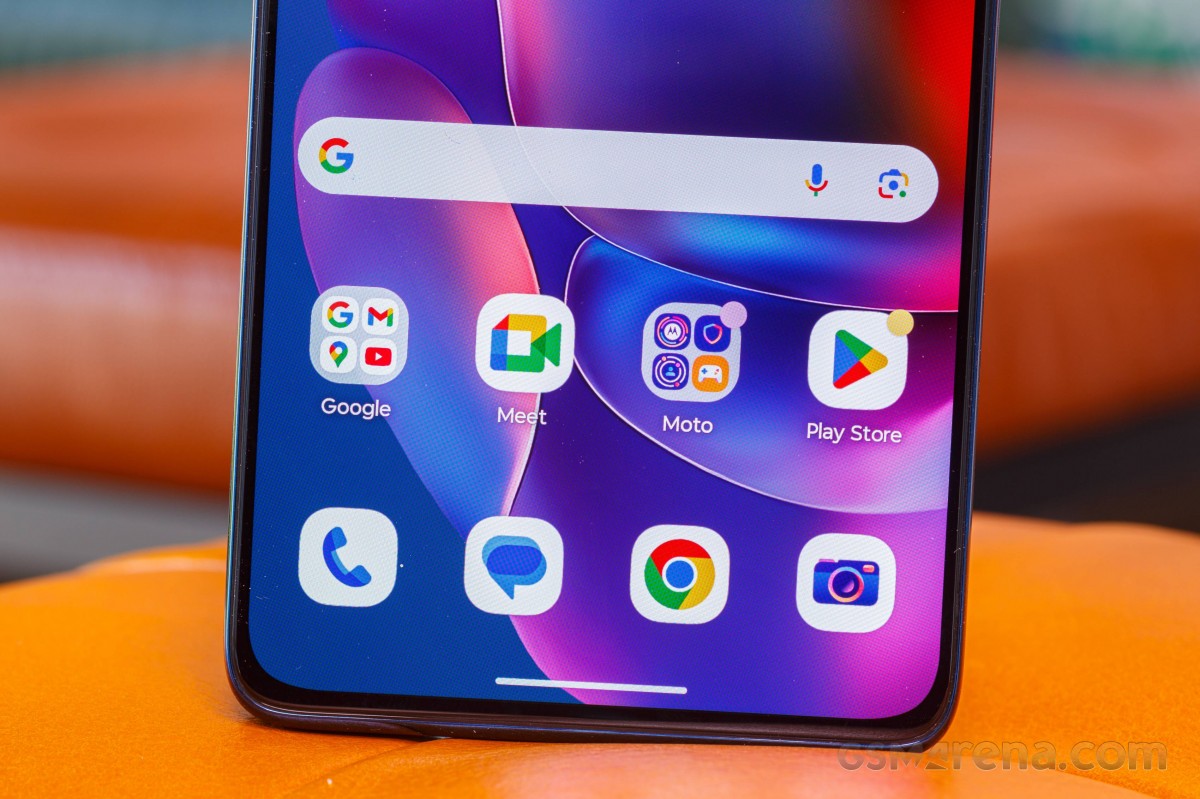
Motorola's software looks a lot like AOSP with some added in-house features and finishing touches.
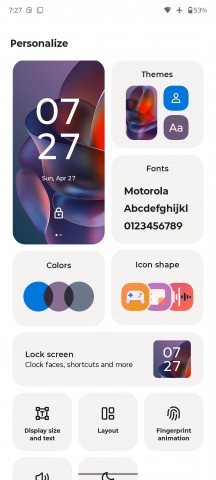
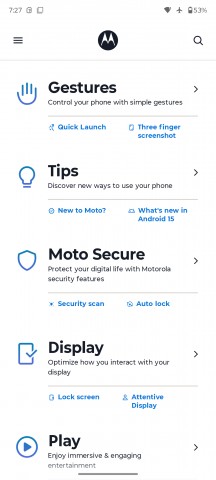
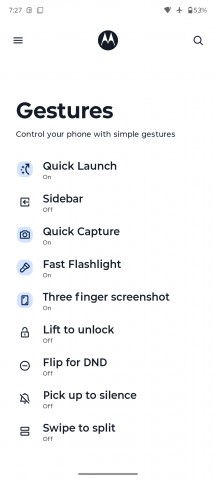
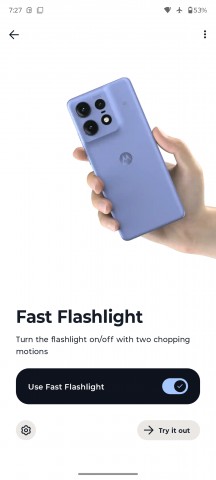
Something as simple as a font can add a lot of personality, though Motorola has been doing that expertly. The customizations live in the usual Moto app 'hub', which has been restyled for this iteration. Things are now more neatly organized, with categories that have a lot of entries, like Gestures, fitting things on a single page, and no scrolling required.

Moto app
Speaking of, the info page for each gesture has a great visual explanation as to how the gesture should work.
More Moto app
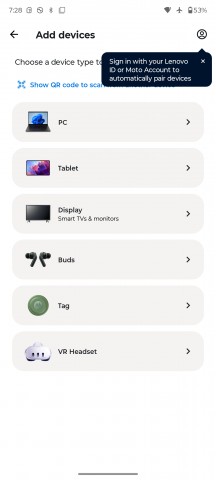
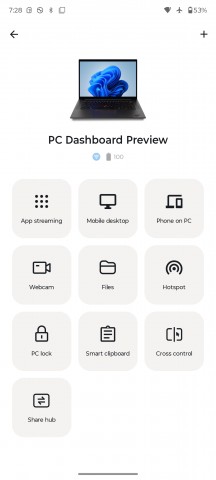
Smart Connect is the new combined name for the features that involve connecting the phone to a PC, tablet, or standalone displays, be it wired or wirelessly. Streaming, mobile desktop, phone to PC, smart sharing, smart clipboard, cross control and more - all features are here under one roof.
There's also a wireless desktop-like environment. You can connect the phone to a smart TV or a monitor to bring out that interface and use the phone as a trackpad and even as a keyboard. There's also a dedicated gaming mode, so you can bring out your game on the big screen.
Smart Connect isn't new to the Motorola ecosystem, but with Android 15, Motorola has enabled voice commands, leveraging AI. You can cast your phone's screen to the TV or extend it to the PC or even search for a file across all connected devices with a simple voice command.

Smart Connect
Moto Unplugged and Family Space are two features meant to restrict access to apps and features for one of two reasons - relaxing or staying focused yourself, on the one hand, or limiting a child's phone usage, on the other.

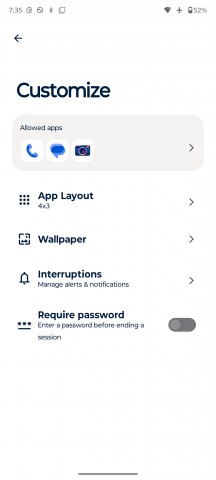

Moto Unplugged • Moto Unplugged • Family Space
Finally, and most importantly, let's talk about the stylus features.
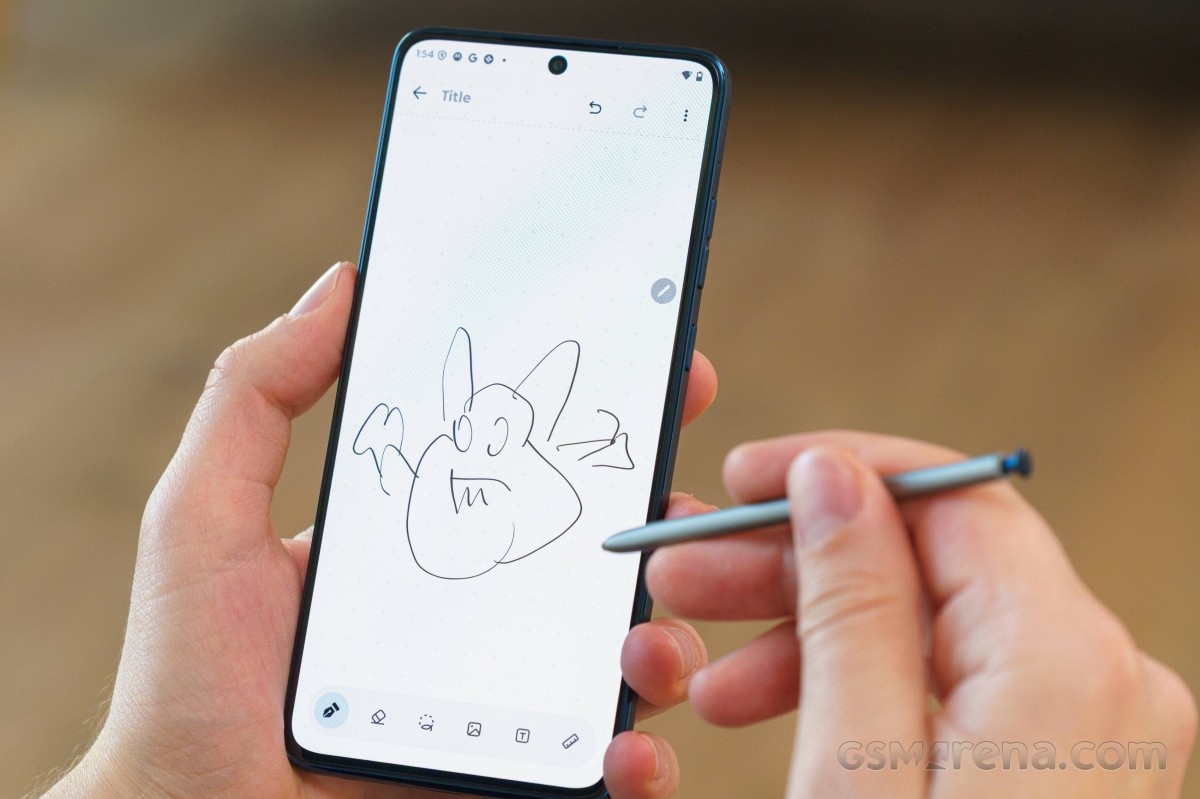
When you remove the stylus from the phone, you get a floating menu with customizable options - open a new note, take a screenshot, free crop, gif maker, handwriting calculator. You can add or remove apps and settings from this menu, which is handy.
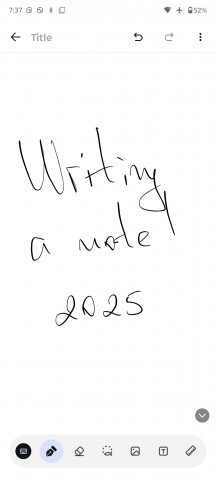
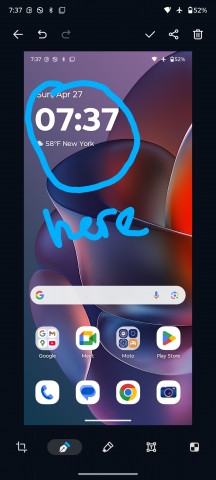
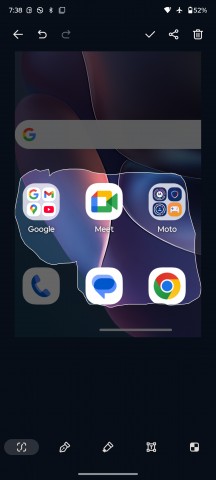
Notes • Screenshot • Free crop
Taking notes is super easy, and the screen and the stylus are nicely responsive. We also found the handwriting calculator quite handy. It supports quite advanced calculations, including integrals!
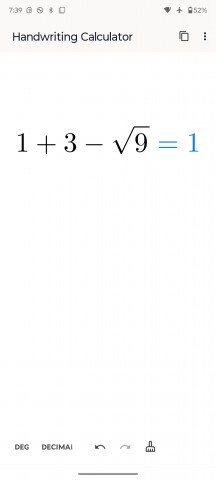
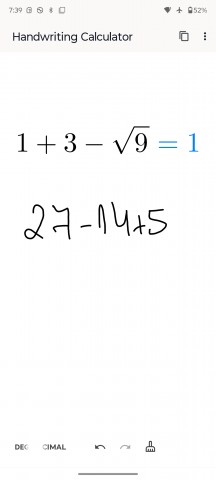
Handwriting calculator
The free crop and write from the screen is neat, too, and it will probably be one of the most used stylus functions.
There is also support for starting a note when the screen is turned off.
Oh, and sketch to image is a cool feature - it turns your sketches into art.
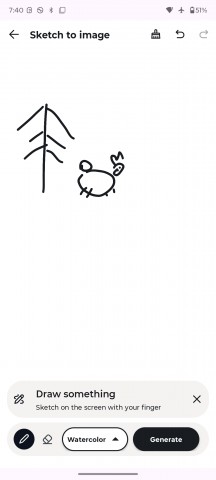
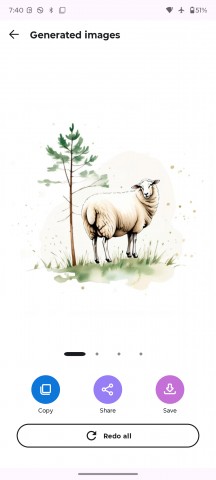
Sketch to image
Finally, Google's Circle to Search is available by default, and so is Gemini. The G Stylus 2025 doesn't have the latest Moto AI features, which premiered on the Motorola Razr family, which was just launched in the US.
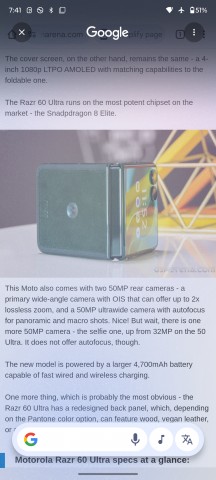
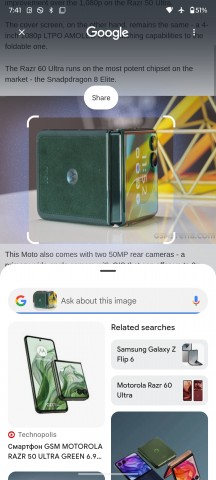

Google AI
Performance and benchmarks
The Motorola Moto G Stylus 5G (2025) is powered by the Snapdragon 6 Gen 3 chip. It was announced in 2024 as a minor update over 2023's SD 6 Gen 1 that was inside the Moto G Stylus 5G (2024). It is manufactured on an efficient and modern Samsung 4nm node.
The CPU setup has two clusters - four ARM Cortex-A78 cores, clocked at up to 2.4 GHz (up from 2.2GHz) and another four Cortex-A55 ones, working at up to 1.8 GHz. The onboard GPU is an Adreno 710.
The Moto G Stylus 5G (2025) is available in only one memory configuration with 8GB LPDDR4X RAM and 256GB UFS 2.2 storage.
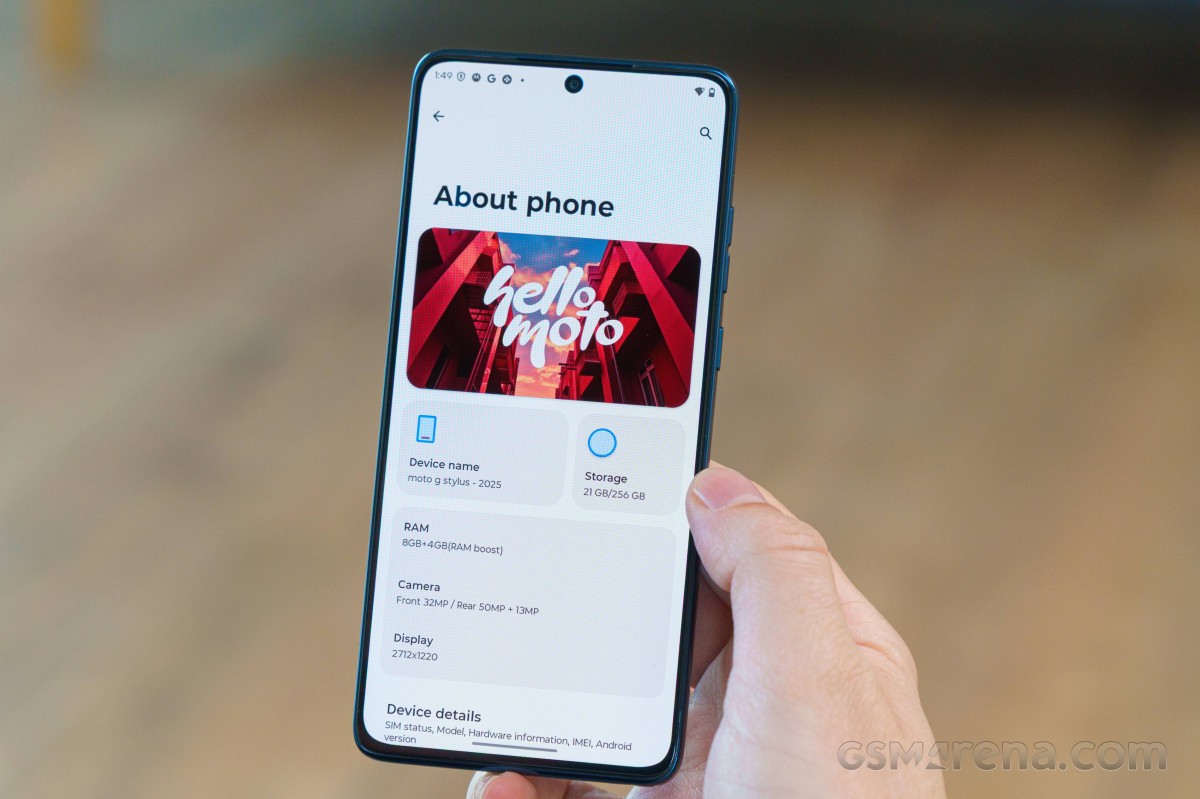
Let's see some benchmark scores now.
The CPU and GPU scores are in the same ballpark as most of the midrangers from the same price bracket. The only noticeably more powerful smartphone is the new Galaxy A56.
The sustained performance is very good - the Moto G Stylus 5G (2025) scored 72% on the CPU and 99% on the GPU stress test. It never got hot, just warm.
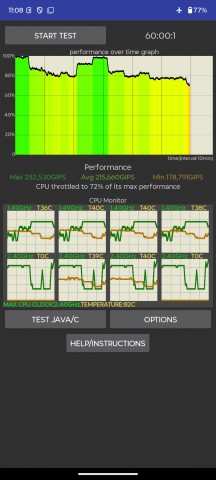
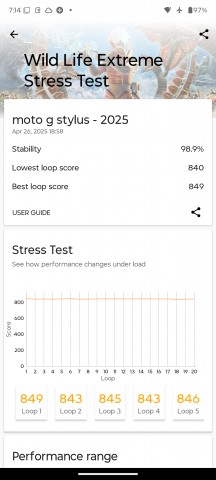
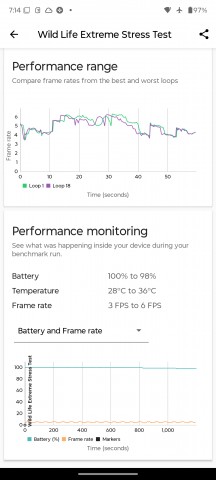
CPU test • GPU test
Overall, the Moto G Stylus 5G (2025) offers adequate performance for its price bracket.
Camera
The new Moto G Stylus (2025) seems to be borrowing the camera kit from the 2024 model - there is a 50MP OIS primary, a 13MP AF ultrawide and a 32MP selfie. While this is true, the sensors are all different now.
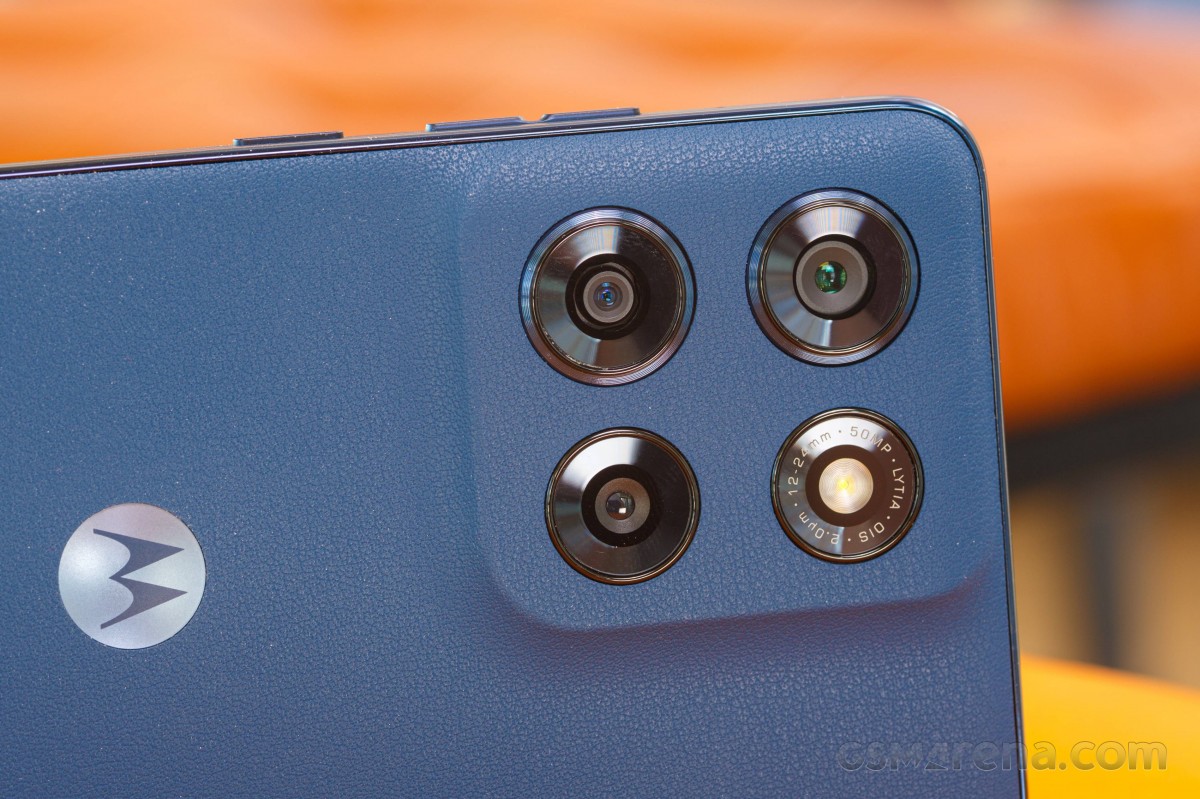
- Wide (main): 50MP Sony Lytia 700C, 1/1.56", 1.0µm, f/1.80, 24mm, multi-directional PDAF, OIS; 2160p@30fps
- Ultra wide angle: 13 MP GalaxyCore GC13A2, f/2.2, 1/3.1", 1.12µm, AF; 1080p@30fps
- Front camera: 32 MP GalaxyCore GC32E1, QuadBayer, 22mm f/2.2, 1/3.0", 0.7µm; fixed focus; 4K@30fps
The Motorola app is easy to use, though we should mention that its performance is choppy, just like on most recent Edge models.
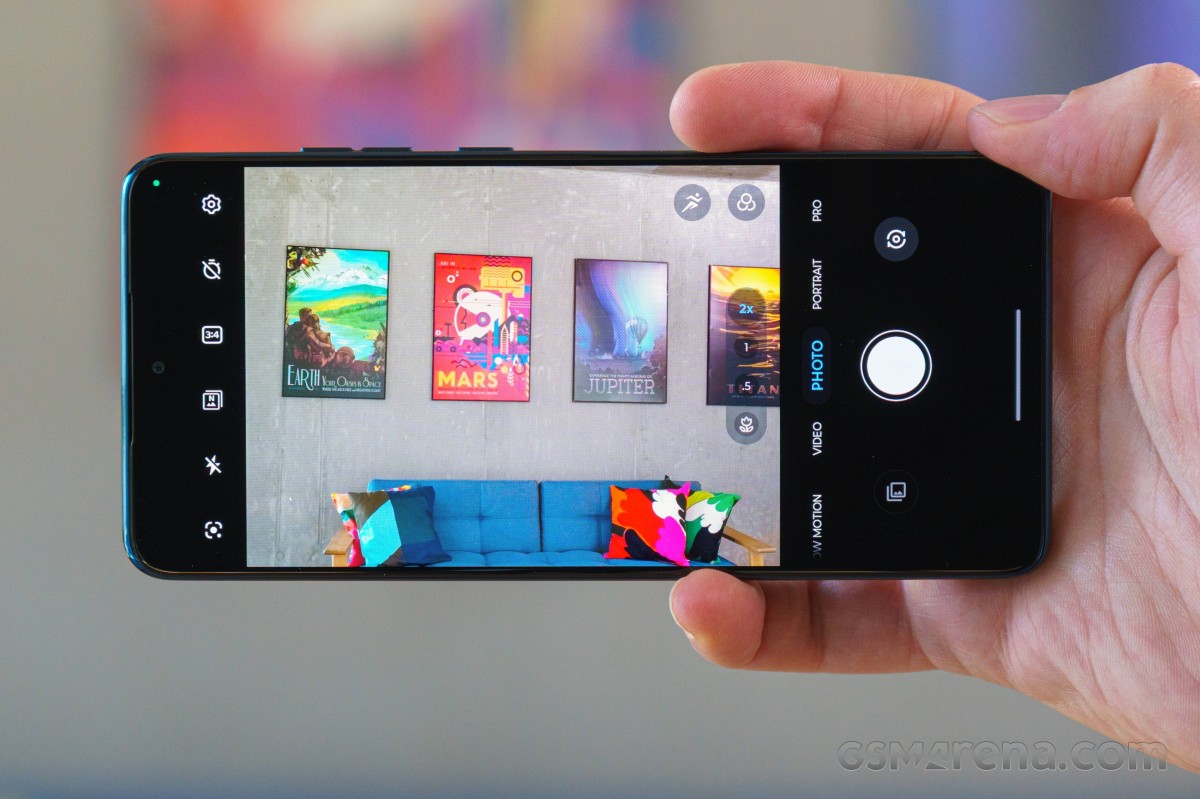
Daylight photo quality
The main camera saves good photos - the colors are lively, slightly over-saturated, even, the contrast is high, and the dynamic range is adequate. The camera app often uses HDR, but it's not over the top. There is also a fair amount of detail and little, if any, noise.
There are times when complex areas with intricate detail outresolve the sensor, mostly foliage, but these cases are handled rather well.














Main camera
There is 2x zoom, which we expected to be of high quality. Unfortunately, it's not. The resulting photos are simple digital zoom (crop and upscale).








Main camera, 2x zoom
The 50MP photos look a lot like upscaled ones from the default 12.5MP ones with plenty of noise and obvious artifacts.




Main camera, 50MP
The 13MP ultrawide-angle photos have similarly punchy colors as the photos from the main camera. The contrast is high, and the dynamic range is good.
The corners are not distorted, the noise is low, and overall, the photos are quite alright for an ultrawide.










Ultrawide camera
The ultrawide camera supports autofocus and it can be used as a macro shooter. The closeups are good and do reveal some extra detail otherwise invisible to the naked eye, but the colors become even more popping and are definitely over the top.




Macro photos with the ultrawide camera
The 32MP camera takes 8MP photos like you'd normally expect from a QuadBayer sensor. And those 8MP images are wonderful - detailed and sharp, with accurate colors, wide dynamic range, and good contrast. The subject is always well-exposed with natural facial details.








Selfies
Portraits
You can take portraits in three different focal lengths - 24mm, 35mm, and 47mm.
The subject separation is proficient and the blur is convincing. The photos shot at 24mm are detailed with excellent facial and clothes detail.




Portraits 24mm (1x)
The 35mm images introduce some softness and the detail is not as much, but those are still very good.




Portraits 35mm (1.5x)
The 2x images are obvious upscales with visible artifacts.



Portraits 47mm (2x)
Low-light photo quality
The nighttime photos we took with the Moto G Stylus 2025 are generally great. The ones from the main camera offer detailed enough shots with saturated colors, just a few clipped highlights and no visible noise.







Main camera
The 2x zoomed photos are cropped and upscaled, as expected.




Main camera, 2x zoom
The ultrawide camera saves okay photos with bright exposure and nice color saturation. The detail is mediocre and there is a lot of visible noise, though, but we can't complain, it's par for the course for this type of camera. The Moto G Stylus 2025 is even doing very well for the class.







Ultrawide camera
Video recording
The Motorola G Stylus 5G (2025) supports 2160p@30fps video recording with all its cameras, including the selfie one. EIS is supported in that resolution as well and it seems to be very good too.
The daylight videos from all three cameras are good with enough detail, lively colors, and good dynamic range. The footage from the selfie camera is close to exemplary with natural and balanced processing, and wide dynamic range.
The low-light videos from the main camera are good with acceptable detail, saturated colors, excellent exposure and low noise. The ultrawide and the zoomed videos are quite dark, with the zoomed also extremely poor in detail.
Lastly, audio is captured in stereo and sounds very good.
Alternative offers
The Moto G Stylus 5G (2025) retails for $399.99 in the US. With the peculiarities of the US market in mind, that's a reasonable price for a solid all-around mid-range phone, even if you don't take the stylus into account.
The Moto G Stylus 5G (2024) is $100 cheaper, yet it offers a similar OS and stylus experience. You would be missing the complete ingress protection, the higher-resolution screen, and the faster charging, but we are sure there are enough people out there who would find the 2024 model specs enough.
The Galaxy A36 costs the same in the US, and it's even powered by the same chipset. While it cannot offer a 1220p screen or a stylus, it could be interesting for its better battery life, and rich One UI package with longer software support.
The Redmi Note 14 Pro 5G can be found for about $350-$400, too. It has a better Dolby Vision display, slightly more powerful graphics, better 2x zoom from the main camera, and the power of HyperOS should you have many Xiaomi devices at home.
Finally, we can also suggest exploring the recently launched Google Pixel 9a as a potential alternative. It may not have a stylus, but it's a compact smartphone with far more powerful hardware, and the best from Google's AI. It can be yours for $499, $100 on top of the G Stylus.


Motorola Moto G Stylus 5G (2024) • Samsung Galaxy A36 • Xiaomi Redmi Note 14 Pro • Google Pixel 9a
Our verdict
With its stylus, the Motorola G Stylus 5G (2025) is a unique mid-range proposition. Recognizing its potential, Motorola is now launching a similarly equipped model in the Indian market in the face of the Moto Edge 60 Stylus.
But there have already been a few Stylus-equipped Motorola models in the US market. The 2025 model we are reviewing brings a few key updates - screen, design, durability, performance, and charging. Let's not forget the latest Android OS, paired with a promise of longer software support.
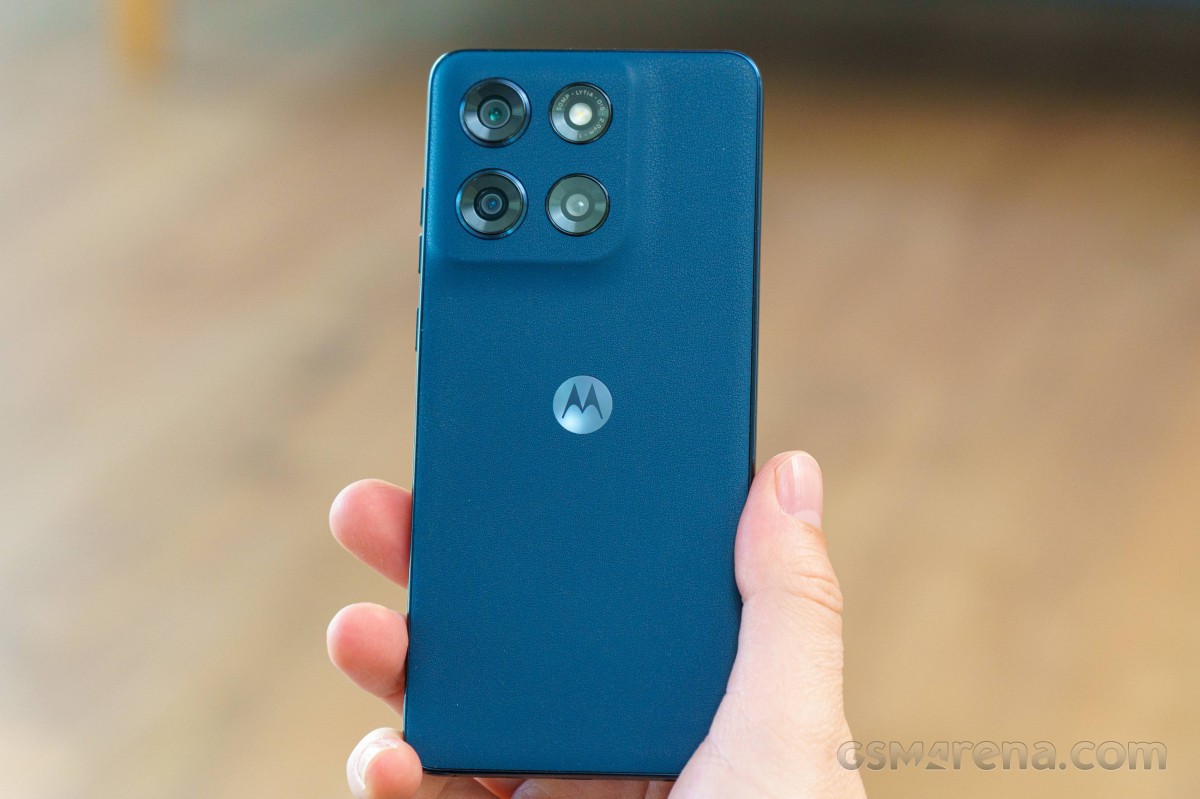
The good news is that it's an all-around package with pretty much everything you may expect from a midrange device - a nice, bright screen, loud speakers, smooth performance, excellent cameras and fast charging. Okay, it's almost everything you may expect, as we could have wished for better battery life here.
But other than that, we have no real complaints and we recommend this Moto, whether you are looking for a mid-range phone with a stylus, or just a reasonably priced device that covers most bases.
Pros
- Durable and likable design, complete ingress protection.
- High-res screen, 120Hz, bright.
- Fast to charge.
- Adequate performance.
- Great photo and video quality.
- 3.5mm audio jack and standalone microSD slot (second SIM only as eSIM).
- The stylus tucked inside the phone.
Cons
- Mediocre battery life.
- Poor 2x zoom quality.
- No HDR video certifications.


