Oppo Reno15 Review
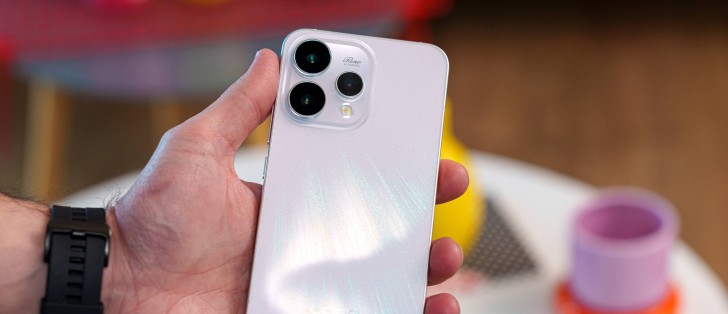
Oppo launched the Reno15 series earlier this year, and we've already reviewed the Reno15 Pro (a.k.a Reno15 Pro mini) - a compact device with flagship aspirations. And today it's time to look into the Oppo Reno15, which aims to bring the series premium experience to a more affordable price point.
The Reno15 keeps the premium build from the Pro models - dual Gorilla Glass 7i panels, aluminum frame, IP69 water proofing, and, of course, some stunning colorways.
The Reno15 has a reasonably sized 6.59-inch OLED with 1256p resolution, 120Hz refresh rate, 10-bit color depth, and HDR10+ support. Underneath is the Snapdragon 7 Gen 4 chip, a powerful mid-range platform.
Even if the Reno15 is aiming for a lower price bracket, there are still three cameras on the back - a 50MP OIS primary for 1x-2x zooming, a 50MP OIS telephoto for 3.5x-7x magnification, and an 8MP ultrawide camera with autofocus.
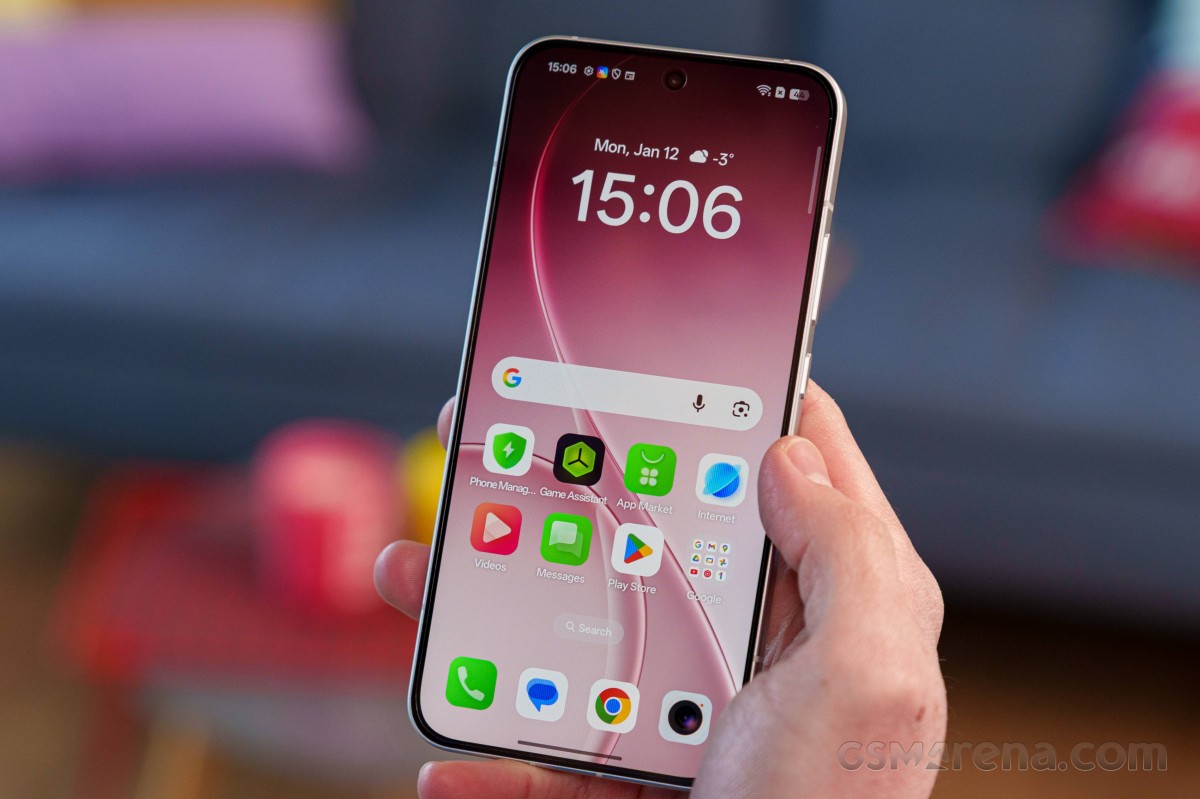
The selfie kit remains the same across the entire series - a 50MP AF ultrawide-angle camera.
The Reno15 lineup will be remembered for its large-capacity batteries for sure. The 15 has the same cell as the 15 Pro Max - a 6,500mAh one with 80W fast charging capabilities.
The Reno15 boots Android 16 with ColorOS 16.
Oppo Reno15 specs at a glance:
- Body: 158.0x74.8x7.8mm, 197g; Glass front (Gorilla Glass 7i), aluminum frame, glass back; IP68/IP69 dust tight and water resistant (high pressure water jets; immersible up to 1.5m for 30 min).
- Display: 6.59" AMOLED, 1B colors, 120Hz, HDR10+, 600 nits (typ), 1200 nits (HBM), 1256x2760px resolution, 19.78:9 aspect ratio, 460ppi.
- Chipset: Qualcomm SM7750-AB Snapdragon 7 Gen 4 (4 nm): Octa-core (1x2.8 GHz Cortex-720 & 4x2.4 GHz Cortex-720 & 3x1.8 GHz Cortex-520); Adreno 722.
- Memory: 256GB 8GB RAM, 256GB 12GB RAM, 512GB 8GB RAM, 512GB 12GB RAM; UFS 3.1.
- OS/Software: Android 16, ColorOS 16.
- Rear camera: Wide (main): 50 MP, f/1.8, 26mm, PDAF, OIS; Telephoto: 50 MP, f/2.8, 80mm, PDAF, OIS, 3.5x optical zoom; Ultra wide angle: 8 MP, f/2.2, 15mm, 116˚, 1/4.0", 1.12µm, AF.
- Front camera: 50 MP, f/2.0, 18mm (ultrawide), AF.
- Video capture: Rear camera: 4K@30/60fps, 1080p@30/60/120fps, gyro-EIS, HDR; Front camera: 4K@30/60fps, 1080p@30/60fps, gyro-EIS, HDR.
- Battery: 6500mAh; 80W wired, 80W UFCS, 55W PPS, 13.5W PD, 13.5W QC, 100% in 50 min, Reverse wired.
- Connectivity: 5G; eSIM; Wi-Fi 5; BT 5.4, aptX HD, aptX Adaptive, LHDC 5; NFC; Infrared port.
- Misc: Fingerprint reader (under display, optical); stereo speakers.
The Oppo Reno15 has the potential to rule the mid-range class if priced right, as there are no obvious omissions, at least according to its specs sheet.
Unboxing the Oppo Reno15
The Reno15 ships inside a large gray box with Oppo's signature Aurora effect on top of it. Inside you will find the phone, an 8A-rated USB A-to-C cable, and an 80W SuperVOOC power adapter.
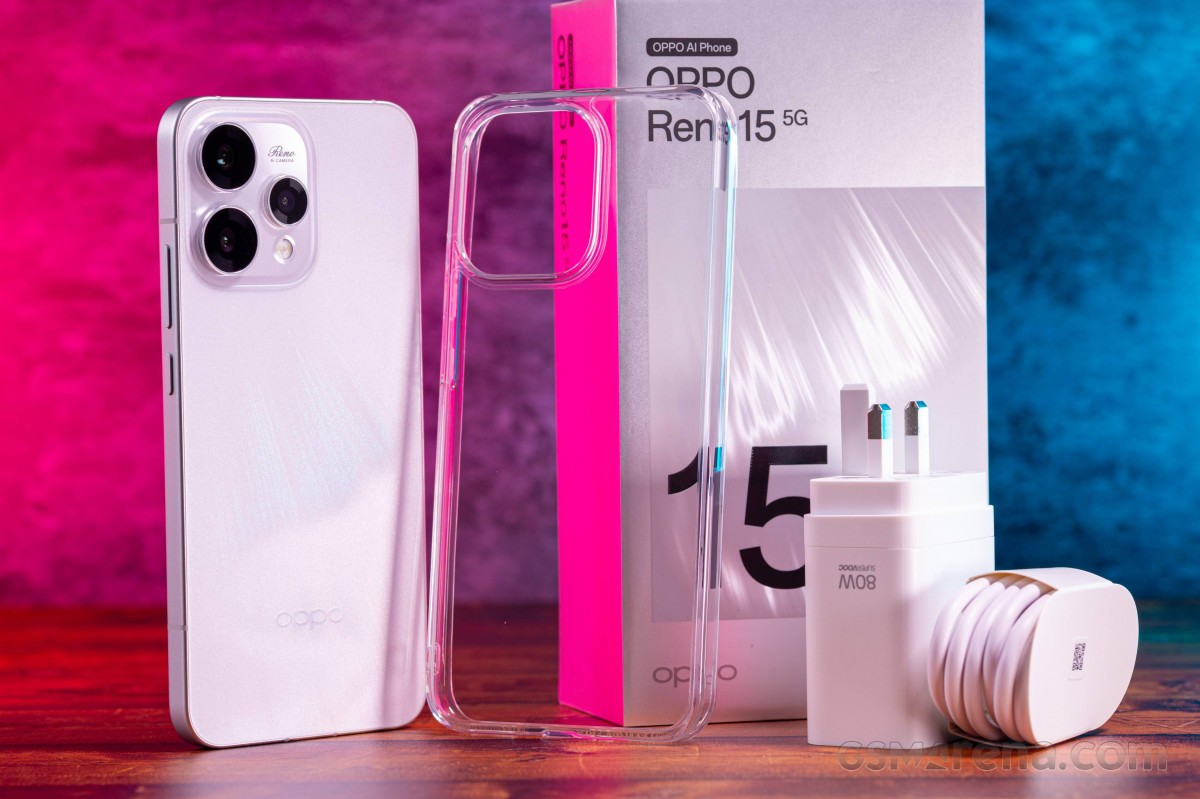
That's not all. The paper compartment has a transparent silicone case for extra safety, if you need it.
Design, build quality, handling
The Oppo Reno15 features nothing short of an exquisite build, tough and beautiful, but not over the top.
Just like the other Reno15 models, the headliner relies on a typical flat-sandwich design with two Gorilla Glass 7i panels, and an aluminum frame. The phone is IP68 and IP69 rated for dust, water, and pressurized water jets resistance.
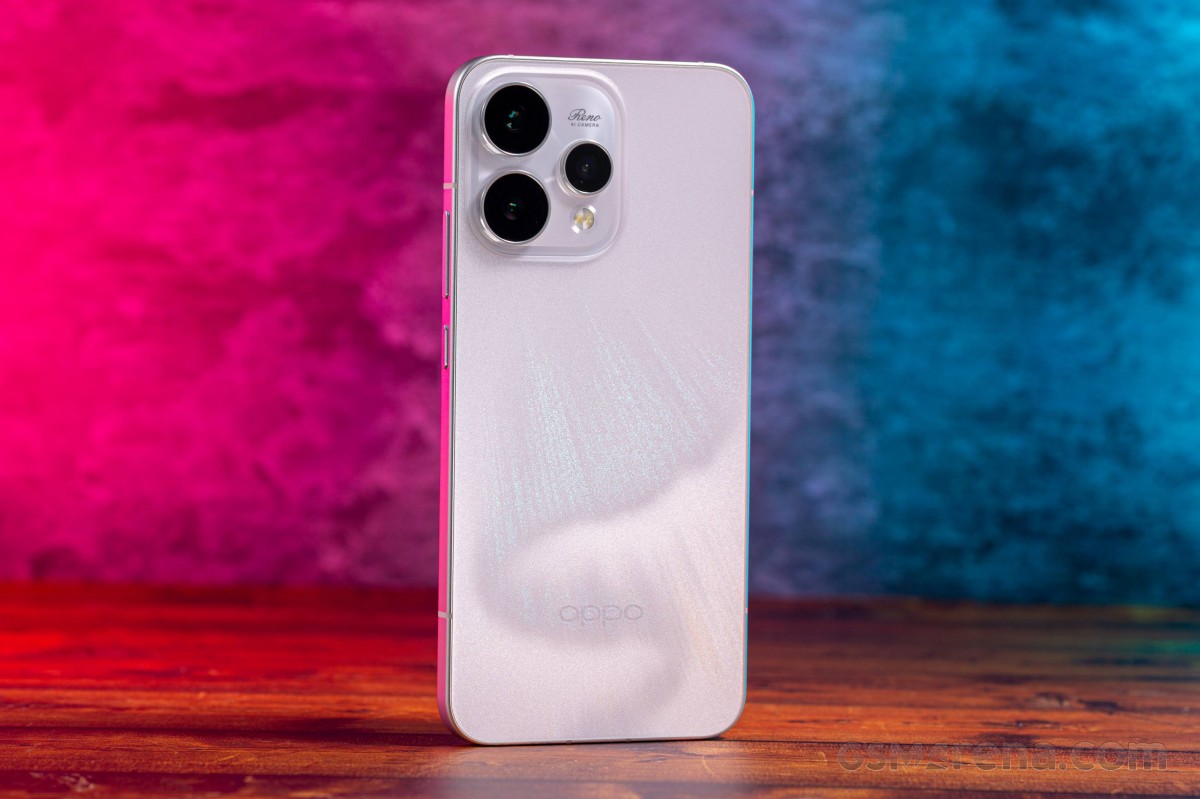
Both the back glass and the frame have a matte finish, which allows them to be completely smudge-resistant, but also incredibly slippery. Why is that?
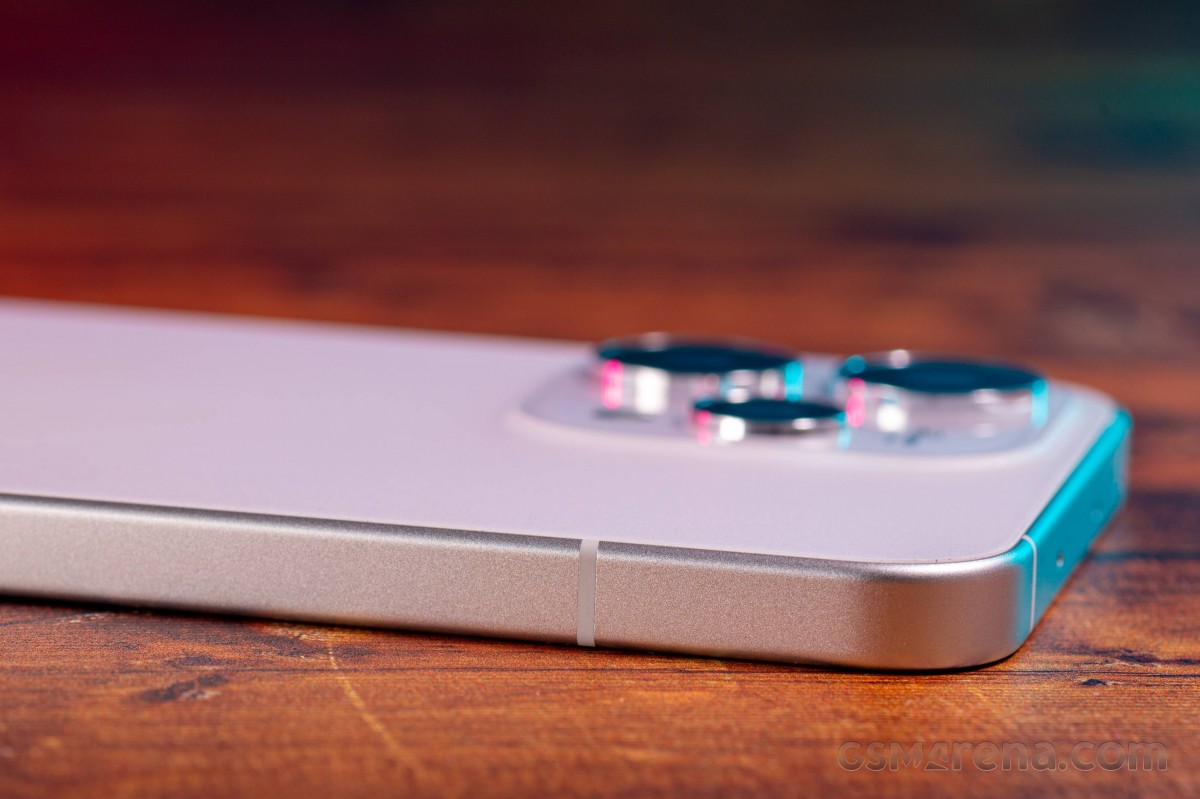
Well, the back panel is all matte, which means there are millions of precision-etched holes, that's how the matte finish is done, but this also means that there are far fewer contact points for your fingers.
The Reno15 is globally available in Twilight Blue (solid dark blue) and Aurora White (ours). The Aurora White, as the name suggests, has Oppo's favorite Aurora effect on the back. Among the millions of etched holes, there are subtly placed glowing textures in the famous shape. And when those reflect light, they are absolutely mesmerizing! The effect does not look cheap; on the contrary, it looks quite nice.
Now, let's explore the Reno15 up close.
The 6.59-inch AMOLED occupies most of the front, covered by a flat sheet of Gorilla Glass 7i. There is a small perforation for the 50MP AF selfie camera, while the bezels are impressively thin.
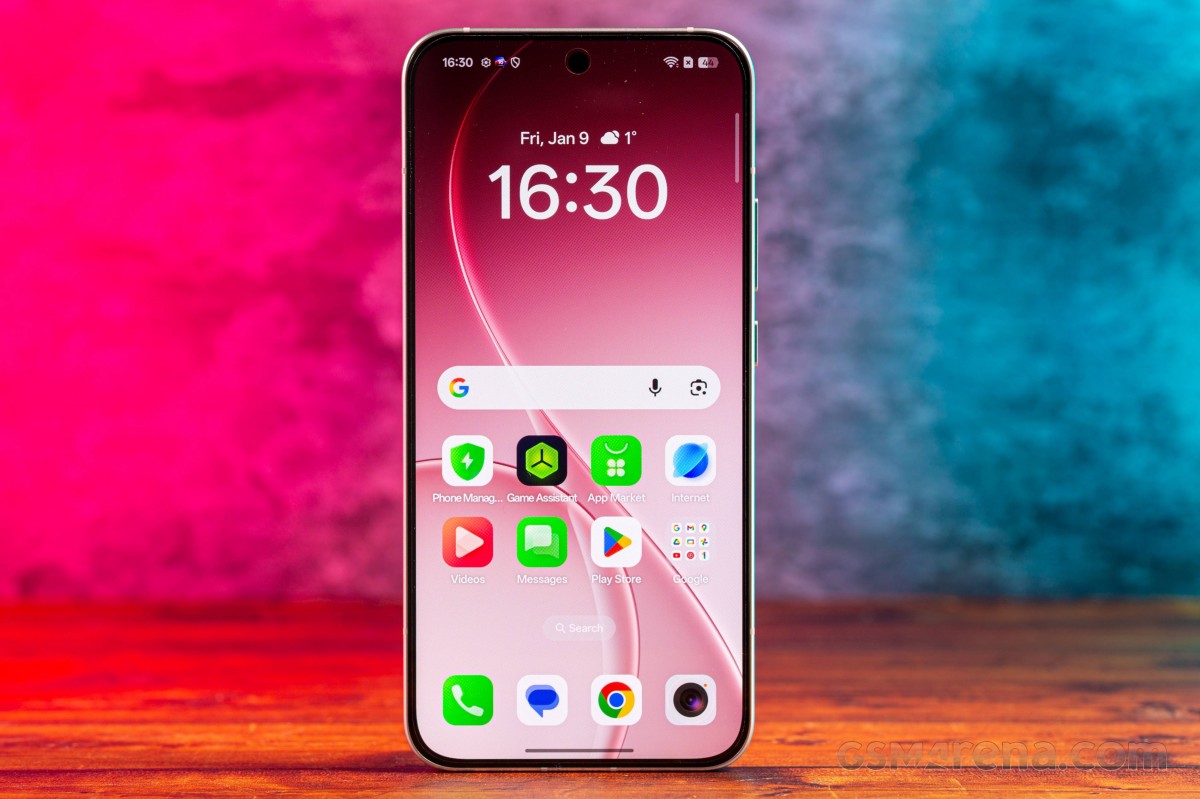
The earpiece, which also doubles as a stereo speaker, is above the screen.
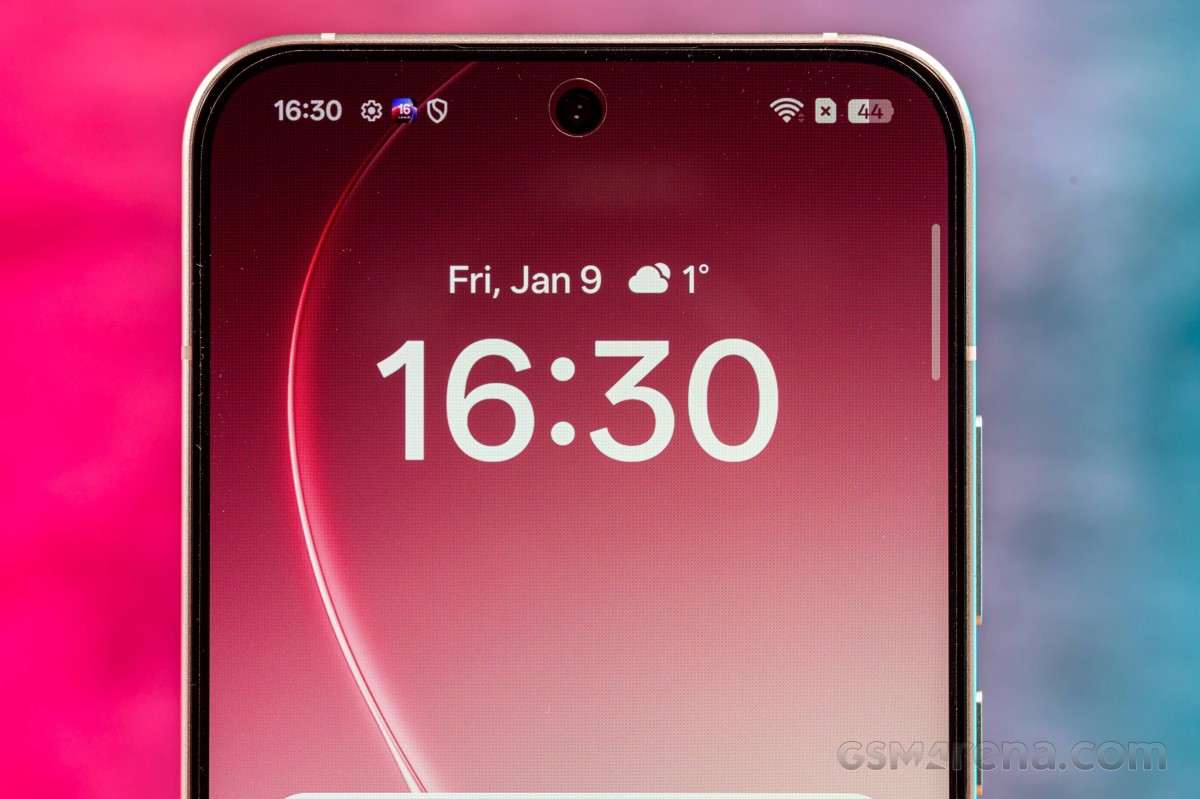
And, towards the lower end is where you'd find the in-screen optical fingerprint scanner, which works fast and reliably.

The back looks lovely, and it's easily likable. This Gorilla Glass 7i also has the camera housing, a slightly raised glossy part with separate rings for each camera. The dual-LED flash also sits around here.
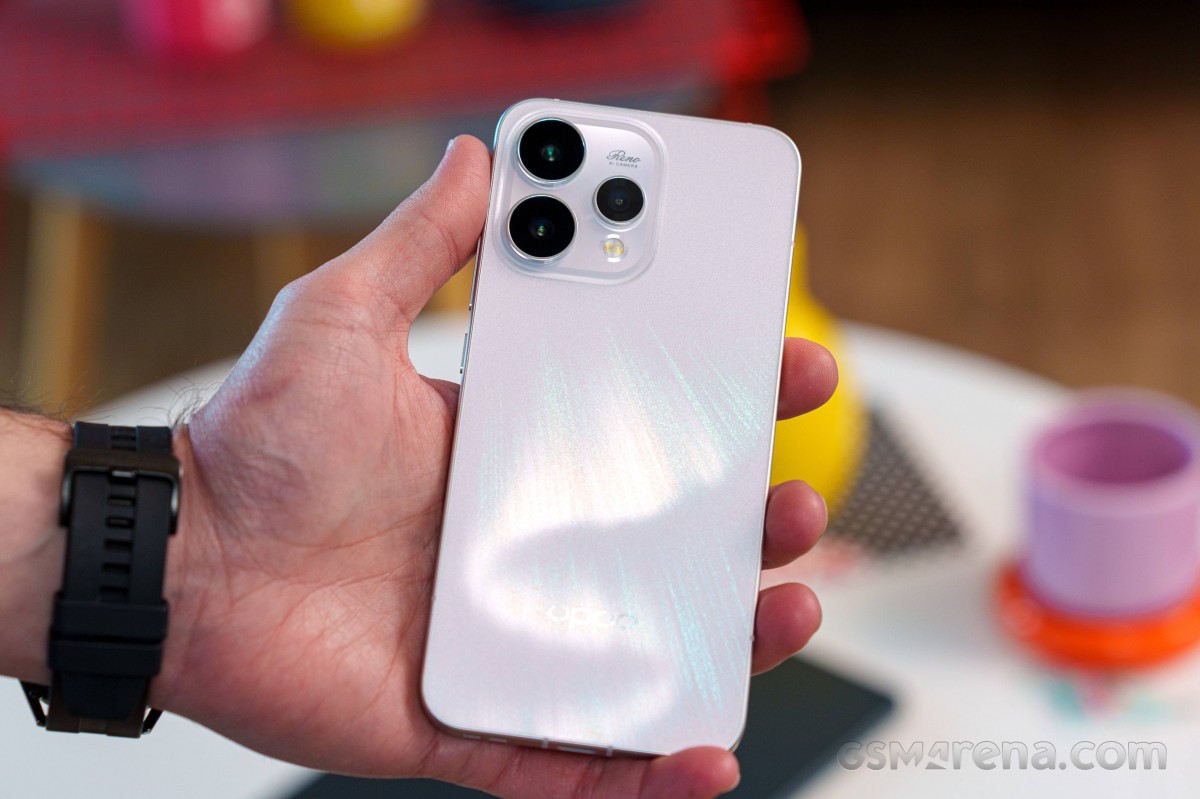
The phone is about 7.9mm thin, but it did not need a thick and bulky camera island, which is nice.
The matte aluminum frame has your typical features.
There are two mics, an IR blaster, and another outlet for the top speaker.
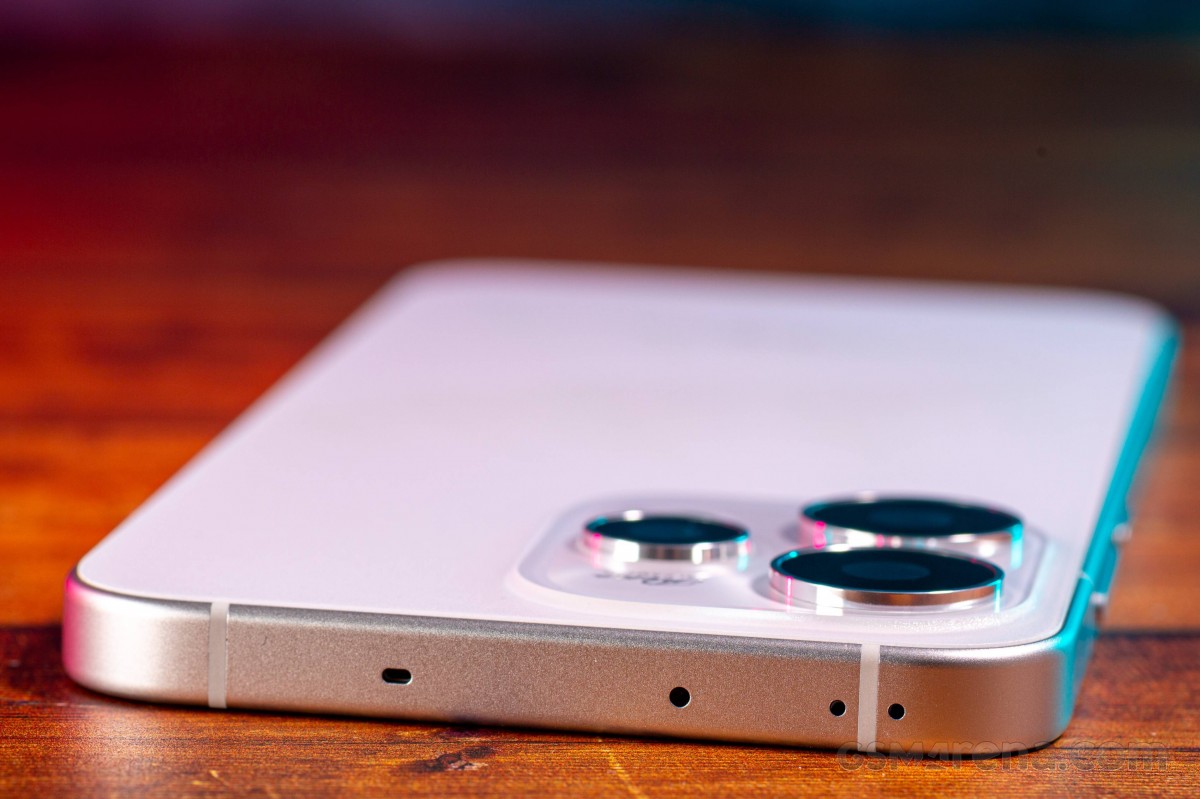
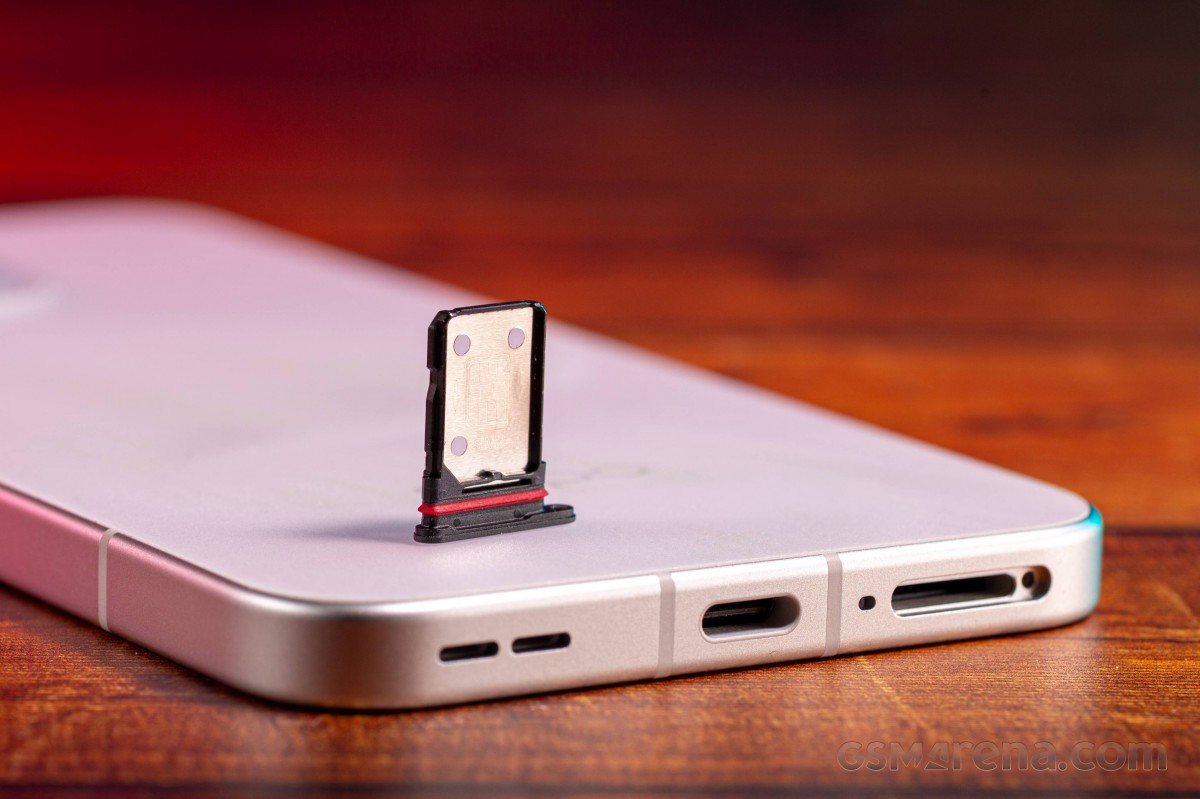
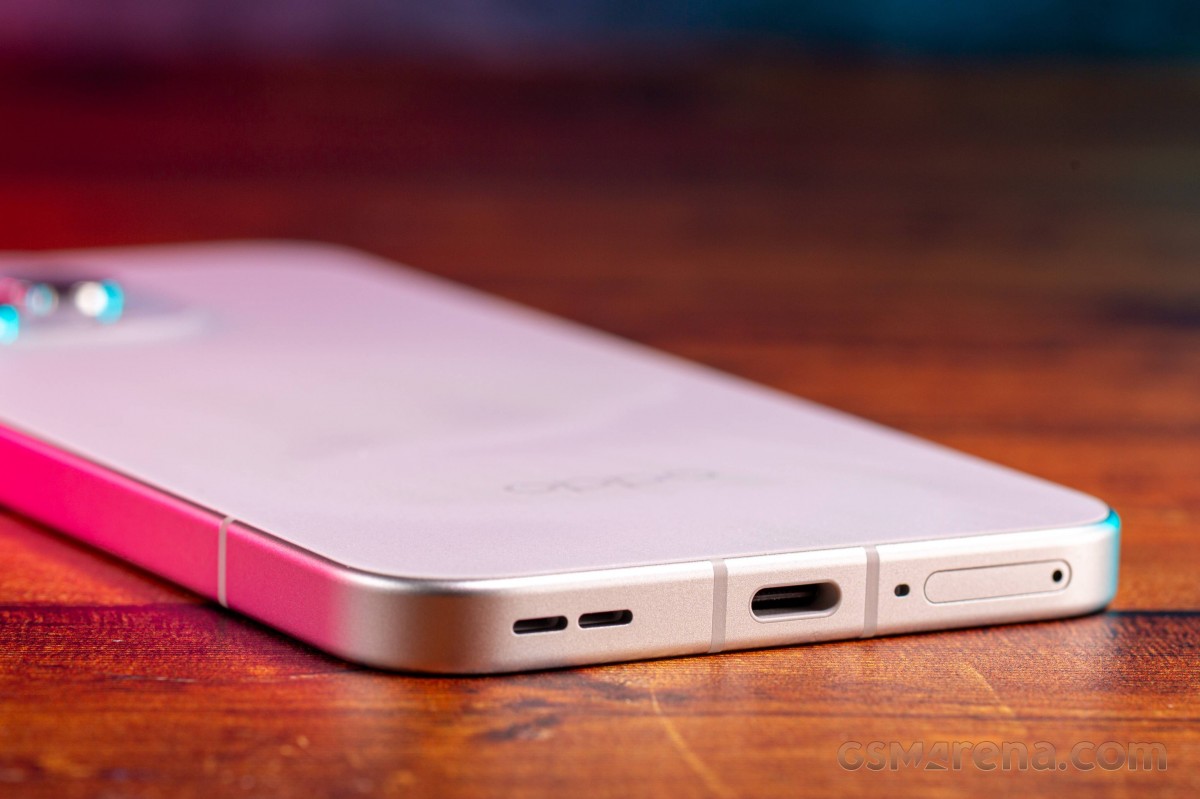
The bottom houses the USB-C port, the dual-SIM tray, the primary microphone, and the other stereo speaker.
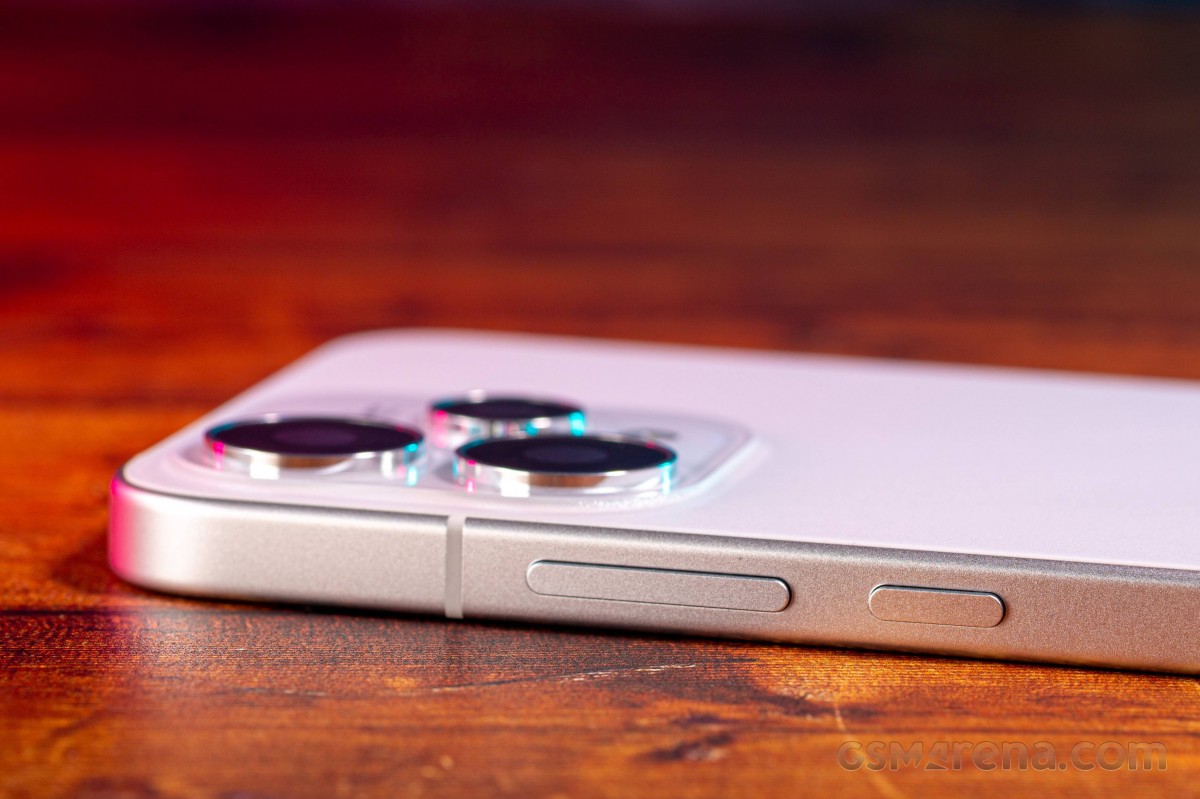
Finally, the volume and power/lock keys are on the right.
The Oppo Reno15 measures 158 x 74.8 x 7.9mm and weighs 197 grams - about the same size as the Galaxy S25+, for example.

The Oppo Reno15 is a beautiful and easily likable phone for its Aurora effect and smudge-resistant body. It is a well-built device with solid ingress protection. The only fault we can think of is the poor grip - it's quite a slippery device, so you may want to use the bundled case.
Display
The Oppo Reno15 offers a 6.59-inch AMOLED display with 1,256 x 2,760 pixels (460ppi), 10-bit color depth, 120Hz refresh rate, and HDR10+ support.
Gorilla Glass 7i sheet handles protection.
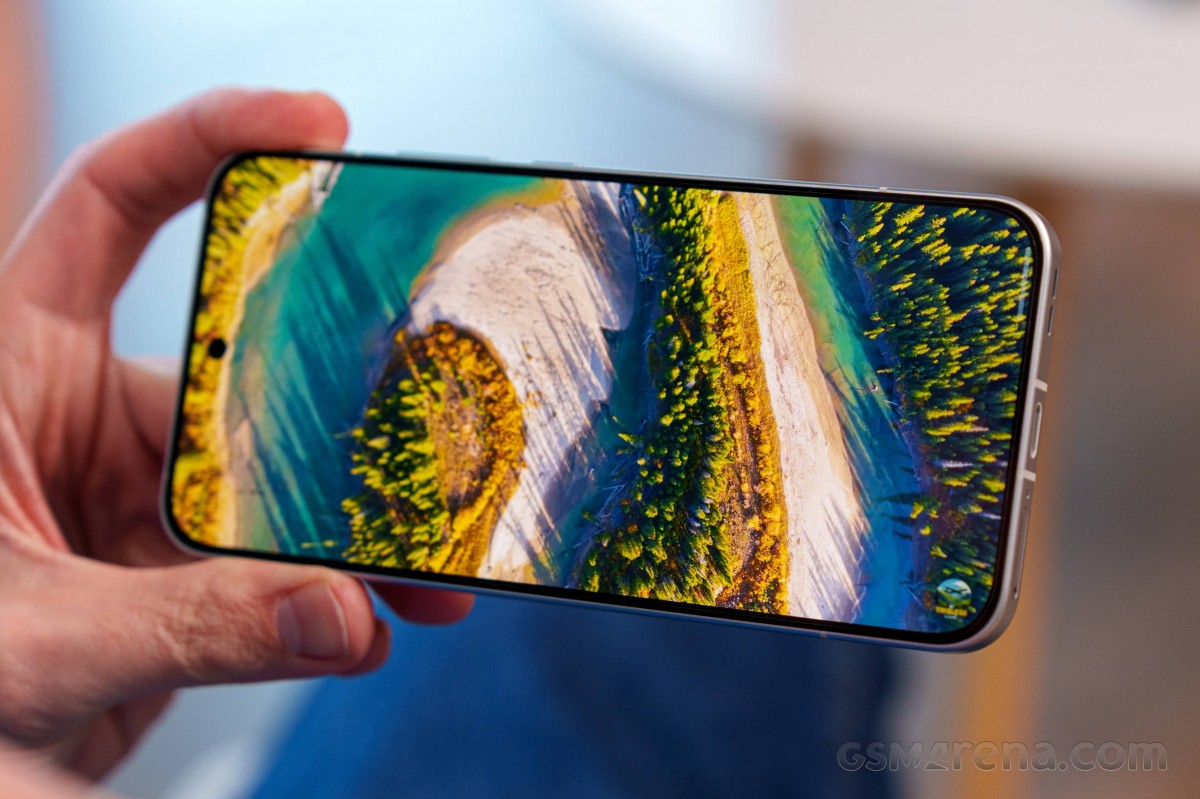
Oppo advertises 600nits of typical and 1,200nits of maximum automatic brightness. And our display measurements confirm those numbers - we captured 592 nits of maximum typical and 1,188nits of maximum automatic brightness.
The minimum brightness we measured on a white screen was 2 nits.
The peak brightness at 10% white patch was 1,300 nits, and there is no brightness boost in the Gallery app, so even though there is objectively nothing wrong with the screen here, it will prevent HDR photos and videos from displaying properly.
Refresh rate
There are three Refresh Rate modes as part of the Display Settings of the Reno15 - Auto, Standard (fixed 60Hz), and High.
Auto and High do mostly the same - 60Hz for idle screen and video playback, 90Hz for web browsers and some system apps, 60Hz for video streaming apps, and, finally, 120Hz for UI, games, and benchmarks.
When you opt for High, you will be granted access to the App Specific Refresh Rate menu, where you can force a higher refresh rate than the automatically chosen refresh rate (if supported). For example, you can choose 120Hz for Chrome, and 90Hz or 120Hz for Netflix.
HDR and streaming
The screen supports HDR10 and HDR10+, and all streaming apps successfully recognize it, Netflix included.
The Reno15 supports the Android Ultra HDR standard for displaying HDR photos with enhanced tone mapping and a brightness boost for highlights, but as we discovered, the max brightness, even with small patches of white, is not stellar.
Battery life
The Oppo Reno15 is powered by a pretty large battery with a capacity of 6,500mAh - the same as the larger Reno15 Pro Max.
The Reno15 scored an Active Use Rating of 16:23 hours, which is a great score and just about what we've been seeing from its similarly-equipped competitors.
Charging speed
The Oppo Reno15 supports up to 80W SuperVOOC wired charging, and our review unit came bundled with the appropriate power adapter.
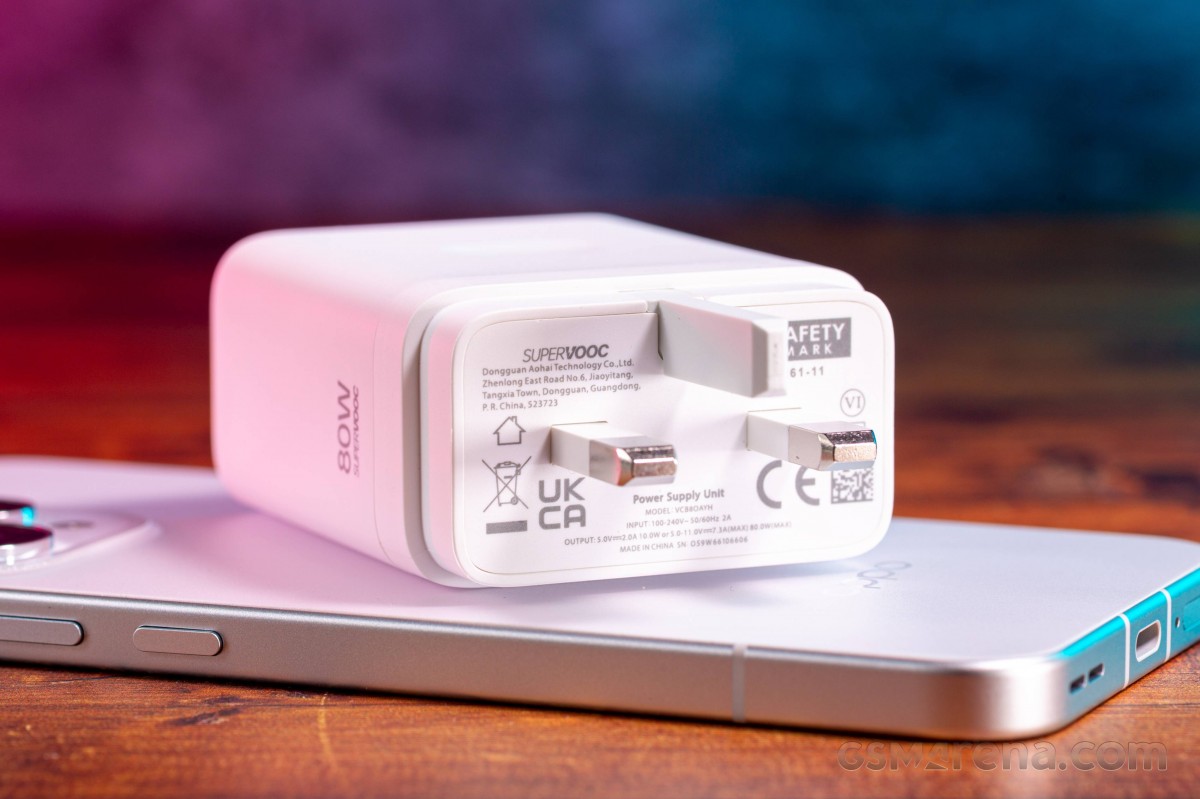
We've completed our charging test with the said adapter and the bundled 8A USB cable.
The Reno15's battery recharged from 1% to 40% in just 15 minutes. We captured 68% of the charge on the 30min mark. And a full charge took 57 minutes, which is roughly in the ballpark of the promised 50min from Oppo.
Note that Oppo's charging settings include the Smart Rapid Charging option, which we used for our testing.
Some of the other notable charging features include Smart charging and a charging limit. Those are recommended options for those wanting to extend the lifespan of the battery.
Bypass charging is available as well, which will come in handy if you are gaming, as charging usually causes the phone to heat up and may cripple the performance.
Speakers - loudness and quality
The Oppo Reno15 Pro offers a familiar dual speaker setup where the earpiece also doubles as a speaker. ColorOS offers one extra step of loudness above the maximum marked as 300%. This step allows for a minor boost in the loudness at the expense of sound quality - meaning high-pitched sounds and poorer vocals.
The setup scored a Very Good mark for loudness when set at 300% volume, thanks to some high-pitched sounds. At the regular 100%, it scored a Good score with -27LUFS.
The sound quality at 100% is very good - with deep and rich output - we can hear bass, the vocals are nice, and so are the high frequencies.
ColorOS 16 based on Android 16
The Oppo Reno15 comes with ColorOS 16 on board, the company's overlay running on top of Android 16. Oppo promises that the new Reno15 series will receive 5 years of major ColorOS updates (that wording is avoiding the particular number of updates, though) and 6 years of security updates.

The latest ColorOS isn't much different than the previous version, but there are a handful of additions, some subtle touches here and there, and a bunch of AI-based functionality. The basics remain largely unchanged, though, save for a minor redesign of an icon or two.
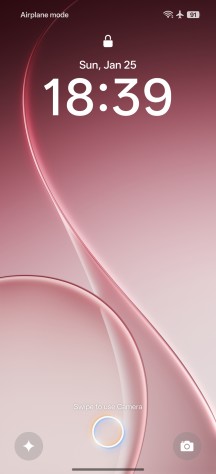
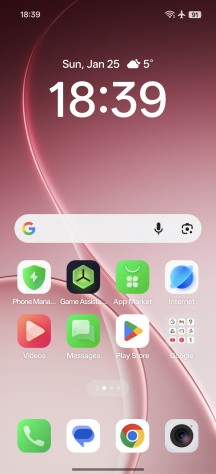
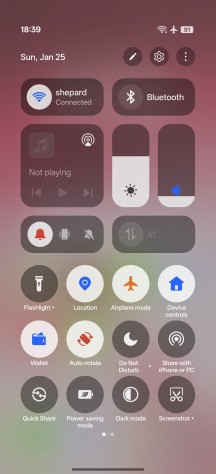
ColorOS on the Oppo Reno15
Among the new additions this year is a wide selection of lockscreen clock styles with a now-ubiquitous 3D-like depth effect where the clock hides behind an element of the image, just like on Apple's iOS. Animations aplenty, too.
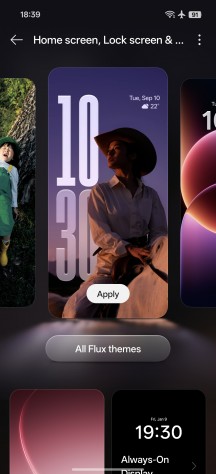

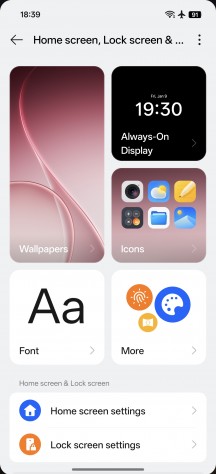
Personalization options on the Reno15
You also get a new style of category grouping in the app drawer, not unlike a certain other manufacturer's implementation. Different types of large folders are also supported (1x3, 3x1, and 3x3 grids). The Smart sidebar is here to stay, too.
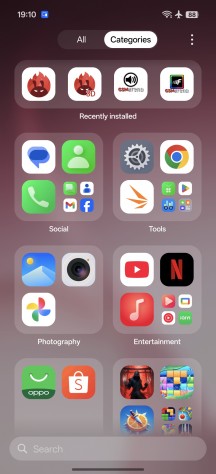
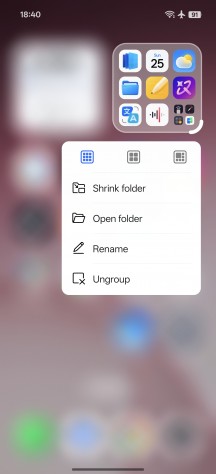
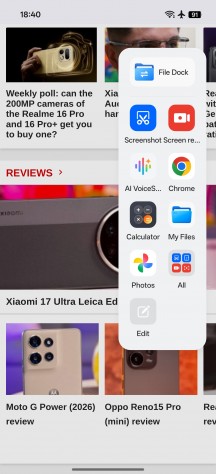
App categories • Large folders • Smart sidebar
A bunch of Google-supplied AI bits are on board, including the Gemini assistant, Gemini Live, Circle to Search, on-screen translation, and whatnot. A Gemini integration with the Oppo Mind Space app is also a highlight.



Gemini
There's a wide selection of Oppo's own AI-powered features, of course. AI Speak will read a text out loud, and AI Writer offers to write texts for you. AI Search can sift through supported apps on your phone, AI Translate does what it says, and there's also AI VoiceScribe for summarizing text or images.


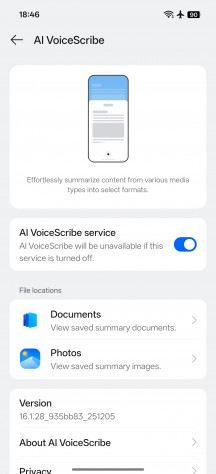
AI stuff
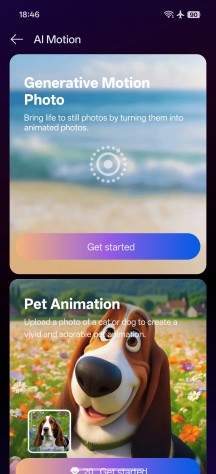
An AI Studio app is also present. It uses cloud-based generative AI to render photorealistic images or animations in different styles based on a photo of yourself. It's not unlimited, but you get a bunch of credits when you first sign up, and you can replenish them by being a regular on the app.
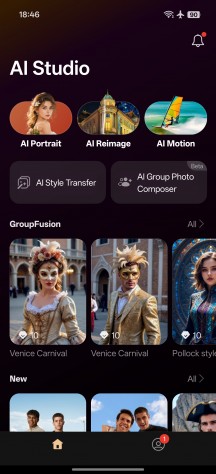

AI Studio
AI-based photo editing tools in the gallery are on board as well. AI Eraser, AI Ultra Clarity, AI Unblur - these are more or less self-explanatory. AI Recompose, AI Relight (for tweaking exposures in portraits), and AI Perfect Shot (for fixing closed eyes) are apparently new additions.



AI Editor
Other notable ColorOS features include O-Connect, which allows users to use AirDrop sharing with Apple devices. Repair mode is also neat - it enters the phone into a repair-friendly mode without deleting your stuff.
ColorOS 16 is not filled with that much bloatware, but it's not without bloat either. You get apps such as Netflix, Facebook, Instagram, TikTok, Shopee, LinkedIn, Trip.com, Spotify, Agoda, and 9 arcade games. You can uninstall everything, of course.



Bloatware
Performance and benchmarks
The Oppo Reno15 utilizes Qualcomm's Snapdragon 7 Gen 4 (4nm) chipset. It is paired with 8GB or 12GB LPDDR5X RAM and 256GB or 512GB of UFS 3.1 storage.
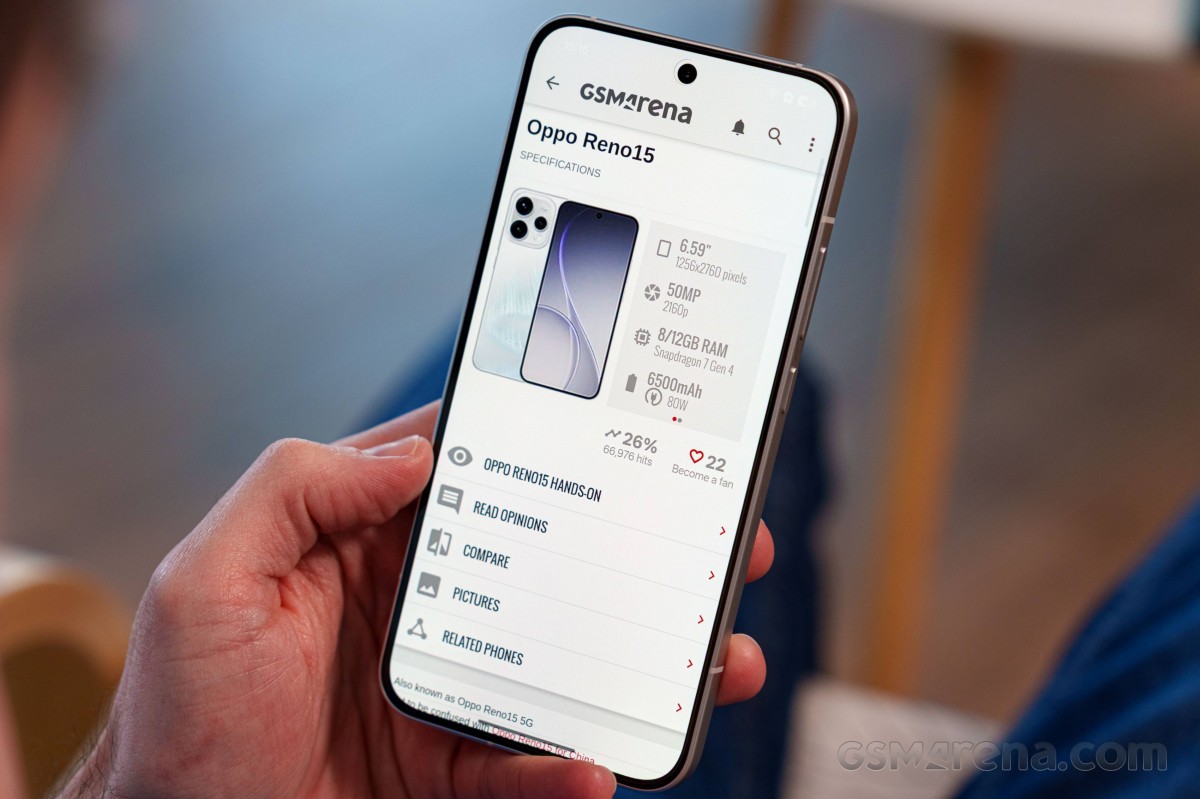
The SD7G4 chip packs an 8-core processor with 1+4 +3 configuration. There's a Cortex-720 prime core clocked @ 2.8GHz, plus 4x performance Cortex-720 cores @ 2.4GHz and 3x efficiency Cortex-520 cores @ 1.8GHz.
The Adreno 722 GPU clocked at 1150 MHz handles all graphics. It features select Snapdragon Elite Gaming features, including its Adaptive Performance Engine 4.0. The GPU also supports the HDR10, HDR10+, HDR Vivid and HLG codecs.
And now, it's time for benchmarks!
The Reno15 and its Snapdragon 7 Gen 4 processor offer adequate performance for this class, in line with most of its peers by chip and price.
The same can be said about its GPU performance - it's neither the slowest, nor the fastest - a good place for a midranger to be.
Finally, the compound AnTuTu tests put the Oppo Reno15 across the higher-scoring devices.
The Oppo Reno15 provides not only acceptable, but we'd say above-average performance for this class.
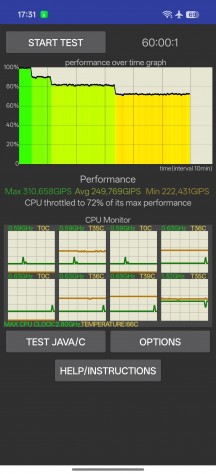
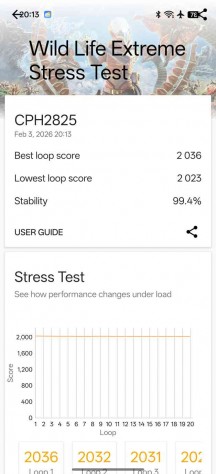
Update, 04 Feb: We've updated the thermal throttling charts below after further testing, which showed better thermal stability in the CPU test and outstanding thermal stability in graphics-heavy loads.
Even after retesting, the sustained performance on the Reno15 remains lower than ideal. While it did not throttle on the GPU test, it kept only about 70% of its maximum CPU performance. Sure, 70% is far from bad, but we've reviewed other Snapdragon 7 Gen 4-featuring phones that did better.
CPU test • GPU test
The Reno15 may occasionally get warm, slightly hot even, during those stress tests. It never becomes unbearably hot, but the aluminum frame may have some spots that you may find rather unpleasant to touch.
Overall, the Reno15 has the power to get the job done hassle-free in pretty much every task - be it UI-related, office apps, or even gaming. And that's more than enough.
A notch below the Pro on the back, top-class ultrawide selfies
The Oppo Reno15 is no Pro, so it doesn't get the 200MP+50MP+50MP rear configuration that higher-end members of the family are flaunting. It does still have a triple setup on the back, plus it gets to keep the superb ultrawide selfie camera, so not all is lost by going non-Pro.
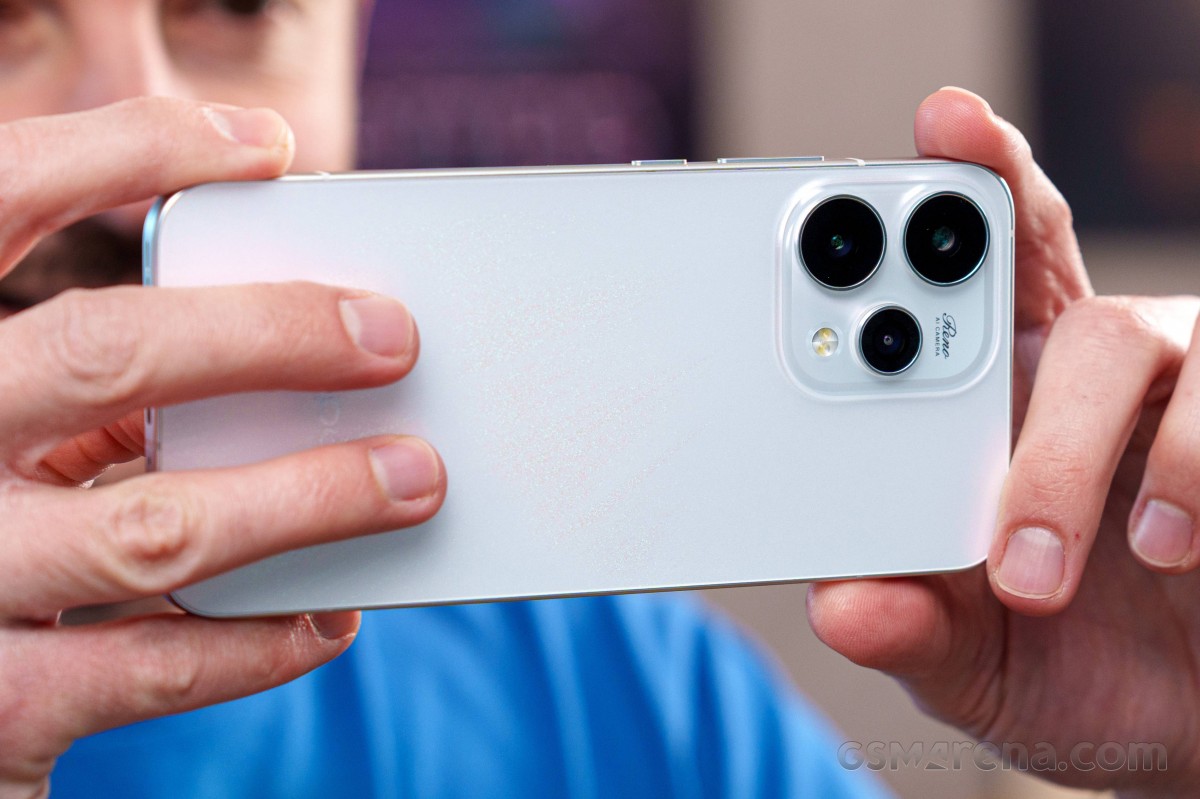
One of the downgrades compared to the Reno15 Pro is the main camera - in place of the 200MP 1/1.56" sensor we had there, we now get a 50MP 1/1.95" one. It's a modest size imager for a main camera, indeed, so it'll be curious to see what Oppo has managed to squeeze out of it. The lens is stabilized, but it's a bit narrower than most, at 26mm equivalent focal length.
That makes the telephoto's 3.5x zoom claim a little bit wobbly, since it's still the same 85mm equivalent lens that we saw on the Reno15 Pro (mini) - 85/26=3.3x-ish. But that's hardly important.
The second downgrade is the ultrawide camera, which is a fairly basic 8MP unit instead of the 50MP module we had on the Pro. Basic as it may be, it still features autofocus, so at least there's that.
The selfie camera is the same as on the Pro, and it's quite a nice one. It's the same sensor that's also used for the telephoto, but here it's paired with an ultrawide 18mm equivalent lens that's got AF.
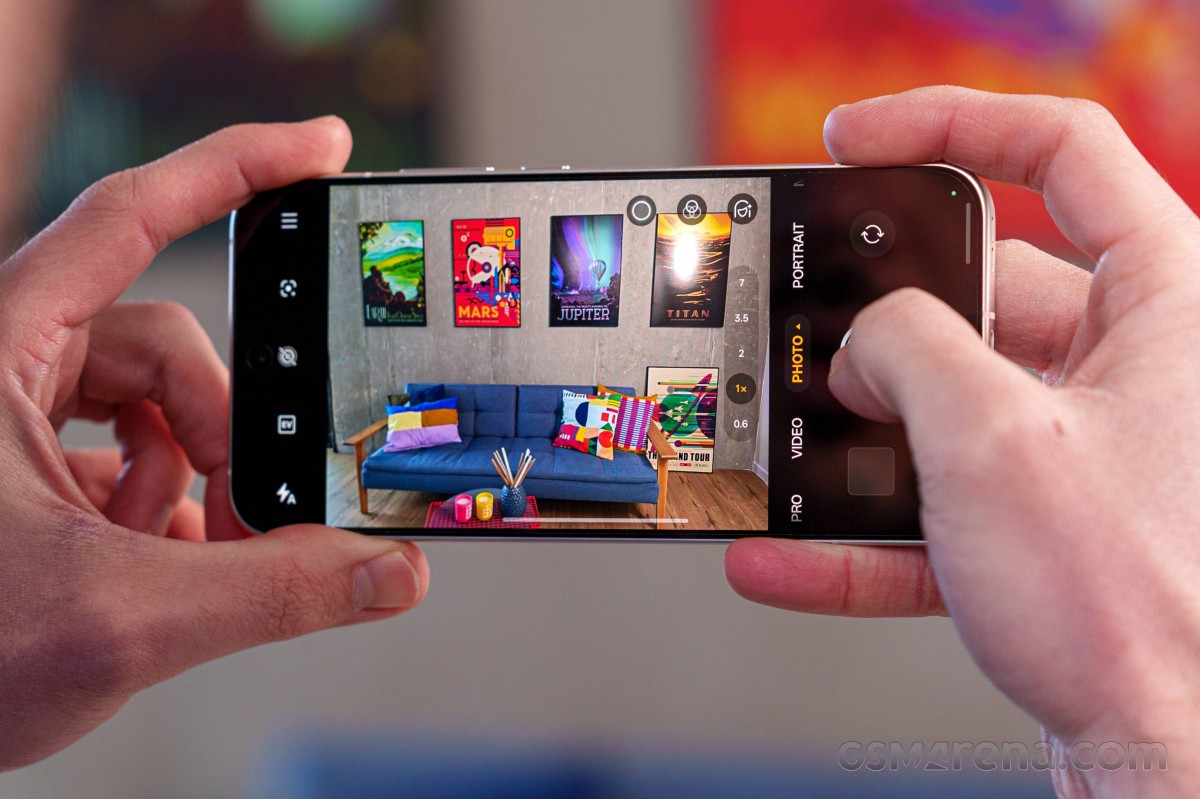
- Wide (main): 50MP Sony LYT-600 (1/1.95", 0.8µm-1.6µm); 26mm, f/1.8, OIS, multi-directional PDAF (10cm - ∞); 4K60 video recording.
- Telephoto: 50MP Samsung ISOCELL JN5 (S5KJN5, 1/2.76", 0.64µm-1.28µm); 85mm, f/2.8, OIS, multi-directional PDAF (40cm - ∞); 4K60.
- Ultrawide: 8MP OmniVision OV08D (1/4.0", 1.12µm); 15mm, f/2.2, AF; 1080p30.
- Front camera: 50MP Samsung ISOCELL JN5 (S5KJN5, 1/2.76", 0.64µm-1.28µm); 18mm, f/2.0, multi-directional PDAF; 4K60.
Daylight photo quality
Main camera
The main camera of the Reno15 might look like a downgrade on paper compared to that of the Reno15 Pro, but at least in good light it's every bit as good, producing pretty great photos. Dynamic range is excellent, white balance is accurate most of the time, colors are likeable if a touch conservative with the saturation. Detail is good overall, with the same tendency for a somewhat processed rendition of high-frequency random textures that we observe on the Pro.











Daylight samples, main camera (1x)
What's also easy to like on the Reno15 is photos of people. We're looking at lively but also accurate skin tones, and nicely rendered fine detail. If you're shooting in Portrait mode, you might want to turn down the artificial blur effect - the default is pretty excessive.








Human subjects, main camera (1x): Photo mode • Portrait mode
Missing on the Reno15 is the High resolution setting that gets you 26MP files on some Oppo models (the Reno15 Pro included). Here, it's either the default 12.5MP images or the High-res mode's 50MP shots. Don't expect better detail in the 50MP files, though - these look like upscaled versions of the 12.5MP images, with some extra sharpening on top.




Daylight samples, main camera (1x), 50MP
At 2x zoom, sharpness in our usual scenes isn't stellar - the Reno15 Pro was better (if not entirely praiseworthy itself either). Still, if you manage your expectations or you don't look too closely, you can get away with these.










Daylight samples, main camera (2x)
The 2x portraits, on the other hand, remain solid, in fact. Facial detail is easily good enough and the focal length works well for headshots at sensible shooting distances.








Human subjects, main camera (2x): Photo mode • Portrait mode
Telephoto camera
Zooming in further, the Reno15's telephoto does a great job at 3.5x. We're looking at clean and nicely detailed images (if a little below ideal sharpness). Dynamic range is wide, white balance is dependable and color rendition is great.
What's not so great is the minimum focusing distance - you won't be getting too impressive closeups at around 40cm. For one reason or another, the Reno15 Pro would focus a little closer, though not 'macro'-level close.












Daylight samples, telephoto camera (3.5x)
Portraits are still great at 3.5x zoom. We're enjoying the 85-ish millimeter focal length for the nice perspective and facial proportions, but we're also looking at very good detail and skin tones.








Human subjects, main camera (3.5x): Photo mode • Portrait mode
The full-res 3.5x zoom shots don't offer any meaningful detail improvement over the 12.5MP ones.




Daylight samples, telephoto camera (3.5x), 50MP
At 7x zoom, you can expect a drop in pixel-level definition, but quality remains good overall.








Daylight samples, telephoto camera (7x)
Ultrawide camera
The ultrawide camera's 8MP resolution may not sound like much, but it does capture very good shots for what it is. While not as detailed as the 12.5MP images on the Reno15 Pro, these photos are still nicely sharp, they have great dynamic range and pleasing colors. The autofocus is most welcome too, though it may require some convincing by tapping on the screen on some occasions.










Daylight samples, ultrawide camera (0.6x)
Selfies
The Reno15 shares a selfie camera with the Reno15 Pro and we already established it's a great implementation. The 50MP sensor, coupled with a 18mm native focal length lens, means you can get plenty of detail as well as wide coverage. It lives up to the promise too, capturing particularly sharp photos with lively skin tones. You also get to do closeups too, thanks to the AF capability.








Selfie samples, 0.6x (native)
You don't need to settle for the native ultrawide focal length - the 25mm-equivalent 1x zoom level is also excellent. The 2x zoom results, on the other hand, aren't as exciting.




Selfie samples: 1x • 2x
Low-light photo quality
Main camera
In the dark, the Reno15's main camera also performs to a high standard. It captures good detail - somewhat more processed-looking than the best of examples, but still not offensively so. We might even argue it's got a marginal advantage over the Reno15 Pro's slightly larger sensor, though it's hardly a meaningful difference. We're getting good exposures and wide dynamic range, white balance that you can count on and lively colors.








Low-light samples, main camera (1x)
As usual though, photos taken at the 2x zoom level don't stand up to pixel-level scrutiny - they're good from afar, but that's it.







Low-light samples, main camera (2x)
Telephoto camera
Shooting at 3.5x zoom, the phone typically did good at night, in our experience, though it did have a few missteps. On a number of occasions (scenes 4 and 5) the Reno15 would use its main camera to capture the 3.5x shots and those aren't much good, of course. This would happen in darker scenes where apparently it thinks it can do better with the main camera's light gathering capabilities than it can with the telephoto, but we somehow don't think it's right to do so. When it's the actual telephoto taking the pictures, they have good detail - slightly coarse, and not quite flagship-grade, but good nonetheless. Dynamic range and colors are generally great.








Low-light samples, telephoto camera (3.5x)
The phone persists with its main camera even at 7x in those same scenes and that's just bad. In the scenes shot on the telephoto, detail is still on the soft side, but we'd still call these photos usable.








Low-light samples, telephoto camera (7x)
Ultrawide camera
The ultrawide's photos are soft-ish, but somehow not as bad as you'd think. They still manage to capture decent detail, dynamic range is nice and wide, and colors would have been great if it wasn't for the needlessly high saturation (particularly in the red channel).







Low-light samples, ultrawide camera (0.6x)
Photo quality verdict
The Reno15 may be no Pro, but it's still a capable camera for stills. Its main camera is great during the day and at night, the unassuming ultrawide pulls its own weight in good light and in the dark, and the telephoto is also going strong (for the most part). Portraits with the rear cameras are great at all zoom levels, while the selfie camera is likely best in class.
Video quality
The Reno15 doesn't skimp on video recording capabilities. It can capture video at up to 4K60 on the main and the telephoto cameras on the back, as well as on the selfie camera. The ultrawide maxes out at 1080p30 - you'll need to upgrade to the Pro to get ultrawide 4K footage. There's no Pro video mode, but there is a Movie mode, which locks you in 2340x1080p resolution at 30fps. There's no 24fps mode to be found anywhere.
As usual, you can choose between the h.264 and h.265 codecs with the more efficient h.265 being the default. You can also record in HDR in all of the quality settings. When it comes to stabilization, there's an Ultra Steady toggle that can be enabled for all quality settings, but even without it, there's an always-on EIS either way.
You can check out the playlist below, which includes multiple video samples.
Main camera 4K videos from the Reno15 have good detail, wide dynamic range, and likeable color rendition. The telephoto's detail is even nicer in its own context, while the ultrawide is merely okay.




Video screengrabs, daylight: 0.6x • 1x • 2x • 3.5x
Low-light videos from the main camera and the telephoto are relatively good, capturing wide dynamic range and mostly accurate colors. The ultrawide's clips are much too soft.




Video screengrabs, low light: 0.6x • 1x • 2x • 3.5x
Our experience with video stabilization on the Reno15 was mostly positive. It's the main camera that's not quite excellent, being a little nervous, whether when walking or when standing in one spot, and the Ultra Steady mode didn't seem to make a ton of difference. The ultrawide is nicely stable (which isn't a massive feat), and the telephoto is rock solid too (a more noteworthy achievement).
Video quality verdict
The Reno15 may not be a standout performer as a video camera, but it does an alright job. The ultrawide's lack of 4K capability is a disadvantage, and the less-than-ideal main camera stabilization can be an annoyance. The telephoto is pretty great in most conditions and the main camera's footage is very good too, if you can live with its slight shakiness (or you can otherwise stabilize it).
Our verdict
The Oppo Reno15 has a design to impress, and it's got a size that makes it more easily pocketable than usual. It is a well-built device with an excellent HDR OLED screen and decent performance, too.
The Reno15 offers good battery life, plenty fast charging, and fairly good speakers.
But what we really loved is the camera quality - main, ultrawide, zoom, and selfie - all four cameras capture great photos for the class.
The video quality turned out to be average, and that's probably the only letdown we experienced during this review.
The Oppo Reno15 is easy to recommend for its well-rounded package and good performance across the board. It would have been even more likable if it were cheaper and/or with wider availability. If you can find one with a rebate, it well deserves our recommendation.
Pros
- Unique-looking design.
- Good OLED screen, HDR10+.
- Very good battery life, relatively fast to charge.
- Adequate chipset performance.
- Superb photos from all four cameras, class-leading selfies.
- ColorOS is fast and fluid.
Cons
- Faster phones at similar prices are available.
- Uninspiring video quality.


