Vivo V60 Review
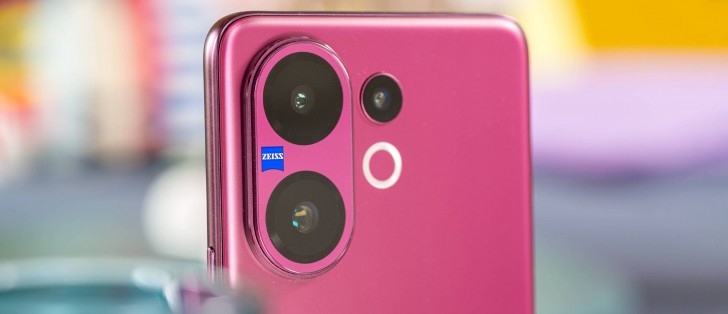
The vivo V-series has long been about bringing premium-looking smartphones with a strong camera focus to the mid-range market, and the new V60 carries that mission forward. As the successor to the V50, launched earlier this year, the V60 comes packed with a ZEISS-backed triple camera setup and a surprisingly large 6,500 mAh battery - all wrapped in a body that's just 7.53 mm thin.
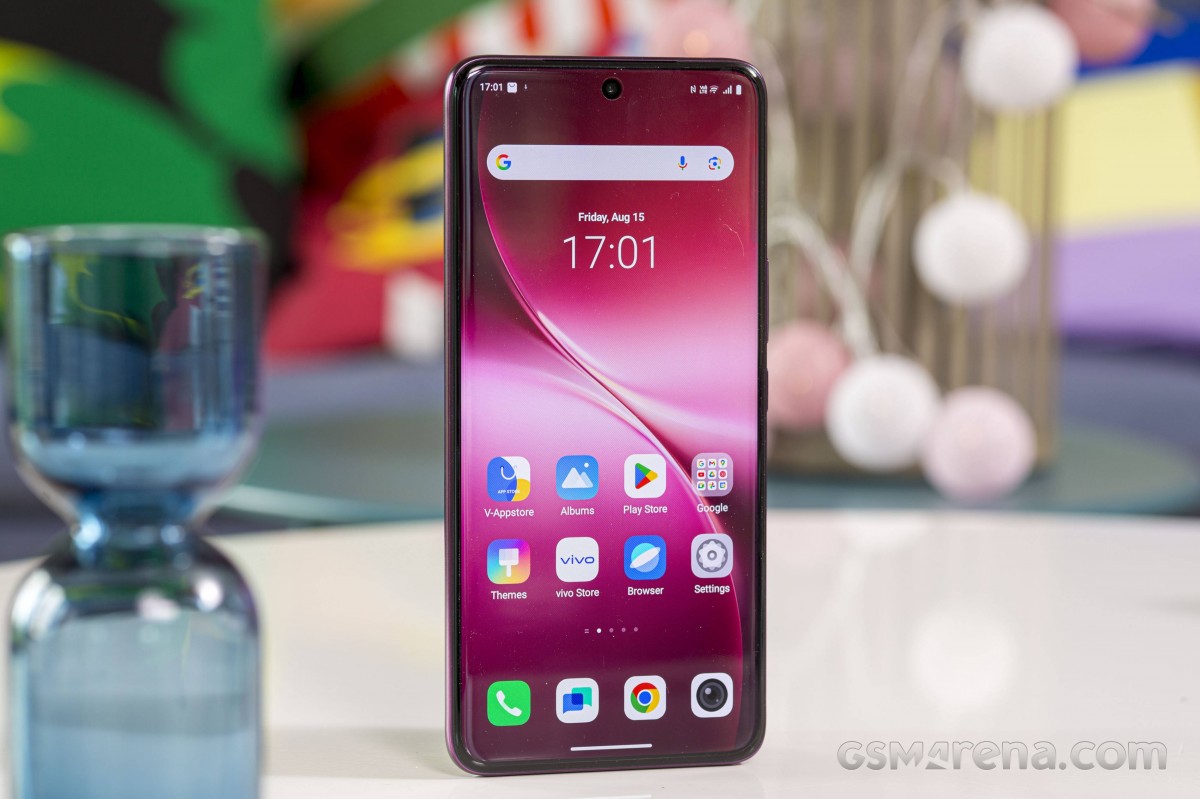
On the surface, this is the same formula we've come to expect from vivo's V-line: stylish design, plenty of megapixels, and some clever camera software tricks. The difference this time is that vivo finally decided to refresh the chipset. The Snapdragon 7 Gen 4 replaces last year's Gen 3, though the jump feels more like a cautious step forward than a bold leap. Still, it gives the phone the performance bump it needs to stay competitive in its price class.
vivo V60 specs at a glance:
- Body: 163.5x77.0x7.5mm, 192g; Glass front, plastic back or glass back; IP68/IP69 dust tight and water resistant (high pressure water jets; immersible up to 1.5m for 120 min).
- Display: 6.77" AMOLED, 1B colors, HDR10+, 120Hz, 1500 nits (HBM), 5000 nits (peak), 1080x2392px resolution, 19.93:9 aspect ratio, 388ppi.
- Chipset: Qualcomm SM7750-AB Snapdragon 7 Gen 4 (4 nm): Octa-core (1x2.8 GHz Cortex-720 & 4x2.4 GHz Cortex-720 & 3x1.8 GHz Cortex-520); Adreno 722.
- Memory: 128GB 8GB RAM, 256GB 8GB RAM, 256GB 12GB RAM, 512GB 16GB RAM; UFS 2.2.
- OS/Software: Android 15, up to 4 major Android upgrades, Funtouch 15.
- Rear camera: Wide (main): 50 MP, f/1.9, 23mm, 1/1.56", 1.0µm, PDAF, OIS; Telephoto: 50 MP, f/2.7, 73mm, 1/1.95", 0.8µm, PDAF, OIS, 3x optical zoom; Ultra wide angle: 8 MP, f/2.0, 15mm, 120-degree.
- Front camera: 50 MP, f/2.2, 21mm (wide), 1/2.76", 0.64µm, AF.
- Video capture: Rear camera: 4K@30fps, 1080p@30fps, gyro-EIS, OIS; Front camera: 4K@30fps, 1080p@30fps.
- Battery: 6500mAh; 90W wired, PD, Reverse wired, Bypass charging.
- Connectivity: 5G; Wi-Fi 5; BT 5.4; NFC; Infrared port.
- Misc: Fingerprint reader (under display, optical); stereo speakers.
The real story, however, is once again the cameras. The V60 has borrowed its entire set of cameras from the X200 FE. You get a 50 MP 3x telephoto module, complementing a 50 MP OIS primary shooter and an 8 MP ultrawide lens. On the front, another 50 MP unit promises detailed selfies with a wide 92-degree field of view. ZEISS optics, vivo's Aura Ring flash, and localized features like Wedding vLog mode round out a package clearly tuned for users who prioritize photography.
Despite housing such a massive battery, the V60 keeps its profile slim at under 8 mm thick and under 200 g in weight - making it one of the slimmest large-battery phones out there. Add a quad-curved 6.77-inch AMOLED display with 120Hz refresh rate and 5,000 nits peak brightness, IP68/IP69 dust and water resistance, and long-term software support with four major Android updates, and the V60 makes a strong case for itself in the crowded ~$400-$500 mid-range segment.
At its INR 36,999 ($425) starting price, the vivo V60 lands in the same ballpark as phones like the OnePlus Nord 4, the Realme 15 Pro, and the Google Pixel 8a. Each of those rivals has its own appeal - Samsung with its polished AMOLED and long updates, OnePlus with performance and charging speed, Realme 15 Pro with its super-bright screen and extra-large battery and Google with its computational photography and clean software. Vivo, on the other hand, is betting on its ZEISS partnership, a proper telephoto camera, and that unusually large yet slim battery to stand out from the pack.
Unboxing
The vivo V60 ships in a pretty understated two-piece cardboard box. It is black with a colorful ring on top, making it quite eye-catching. The box itself is decently sturdy. There is a plastic cradle on the inside to house the phone itself, which might not be very eco-friendly, but should help keep it safe in transit.
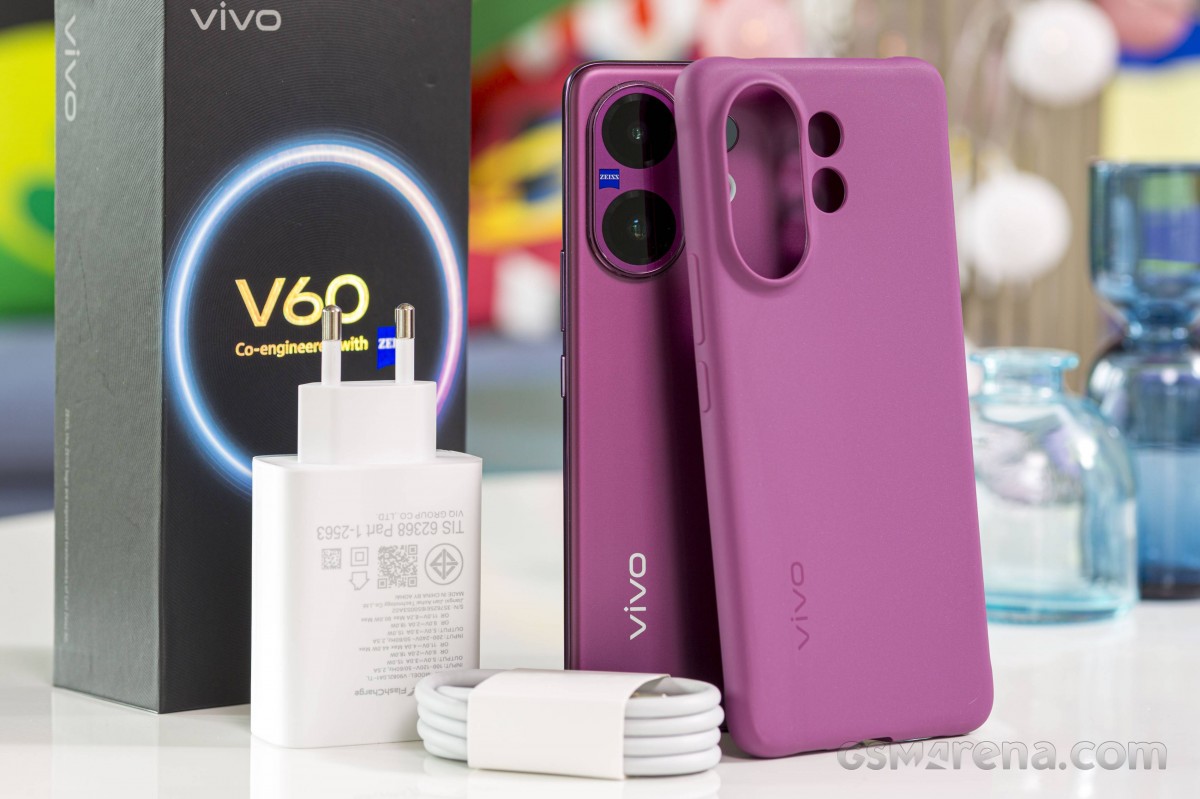
Our box also contains a very nice, thick, soft plastic case, color-matched with the phone itself. Besides that, we only got a Type-C to Type-C cable. Our unit also got an 90W FashCharge charger in the box, which is a nice touch. The inclusion of the charger is likely region-dependent, though, so do check with your retailer.
Design, build quality, handling
Vivo definitely tweaked the V-series design slightly, but not in any significant manner. The V60 is still quite recognizably a V-series phone. This includes a very slim profile, curvy on all sides.
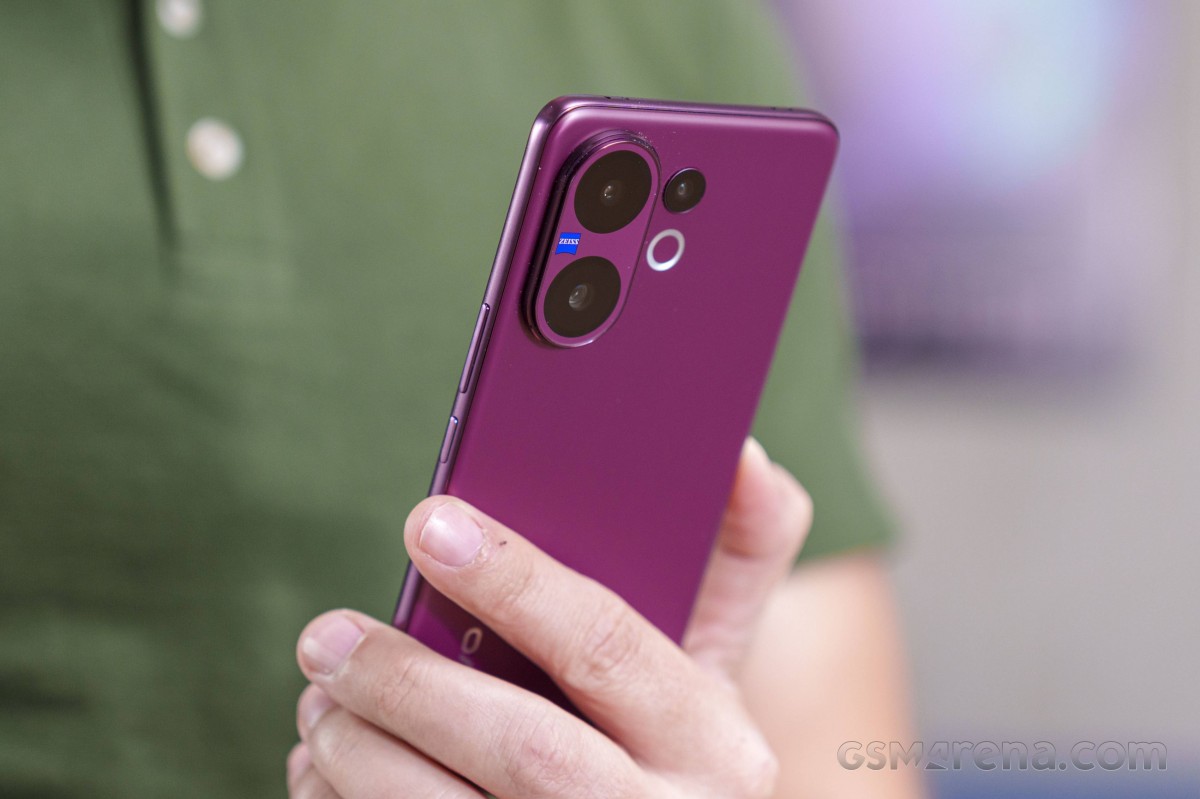
Measuring just 7.5 mm or 7.8 mm, depending on which version you get, the V60 is definitely a thin device. It is also fairly light at just 192 or 201 grams. This is all well in line with the V series pedigree, though we are still impressed that vivo managed to stick to its design guts while packing in a 6,500 mAh Si/C battery.
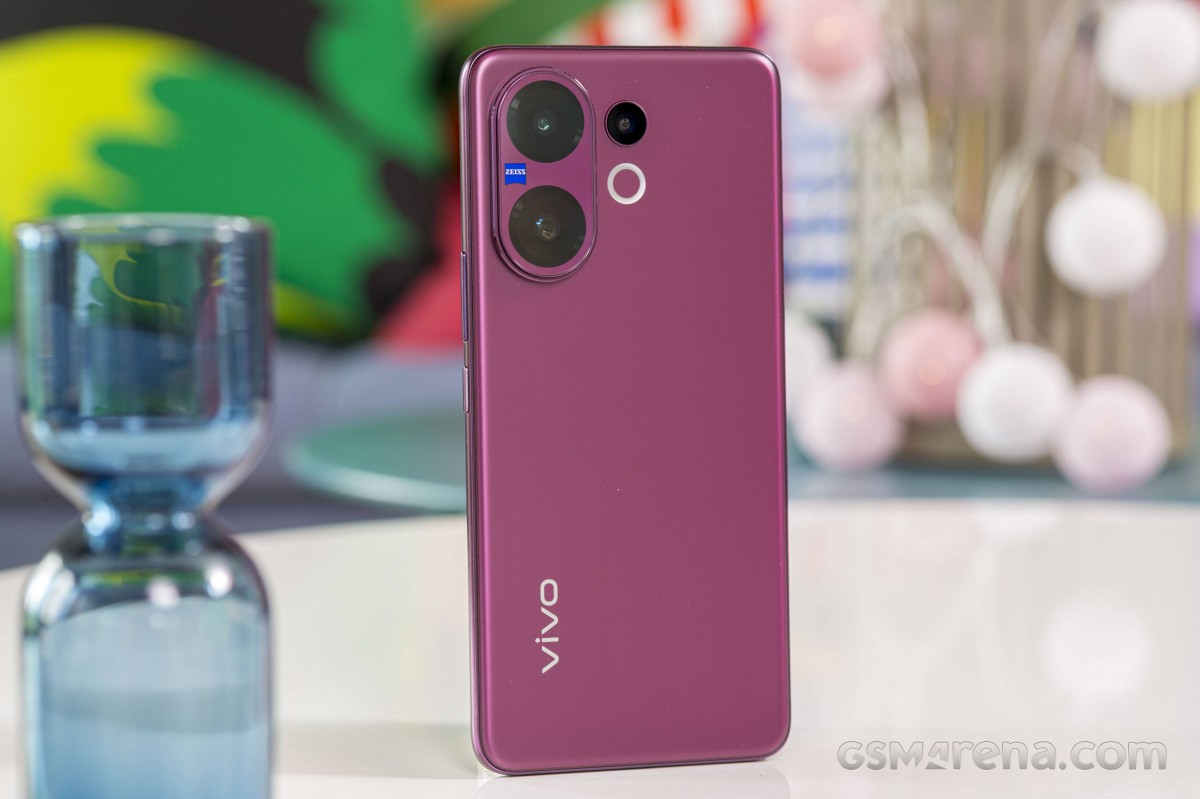
The phone's back side is quite subdued in terms of design. Sure, there are the curves on all sides, but other than that, there's really not much happening back there. Arguably less than on previous V-series phones. In our opinion, vivo toned down things even further.
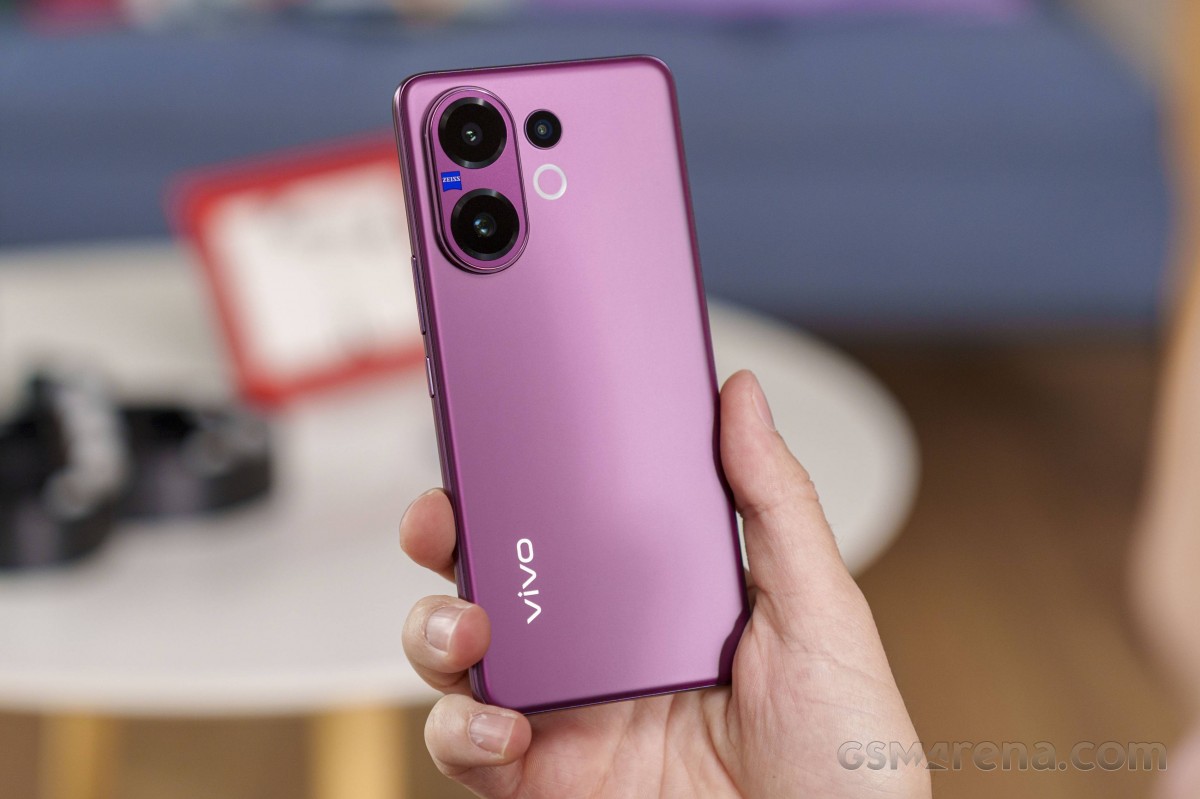
The color situation is a bit interesting. As far as we can tell, in India, the V60 is available in Mist Grey, Moonlit Blue and Auspicious Gold. However, other regions like Malaysia seem to have a different color selection: Berry Purple, Summer Blue and Mist Gray once again. Our unit is a Berry Purple one, and it looks stunning and very rich, vibrant and luscious in person.
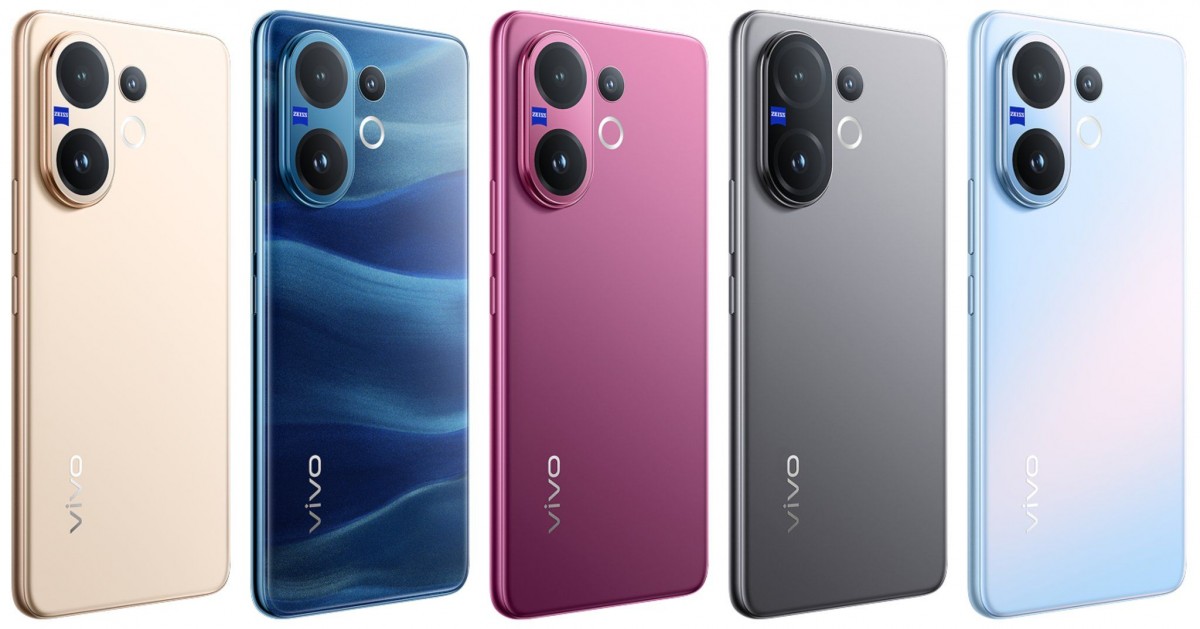
As mentioned, the different color options actually have a difference in thickness - 0.753 cm (Mist Gray), 0.765 cm (Auspicious Gold), 0.775 cm (Moonlit Blue). Weight also differs - 192g (Mist Gray), 200g (Auspicious Gold), and 201g (Moonlit Blue). This is related to a difference in materials for the back panel. Auspicious Gold and Moonlit Blue have a glass back, while Mist Gray has a plastic one.
Regardless of the back material, the front is always covered with Schott Xensation Core tempered glass. The middle frame appears to be made of plastic. However, that is not necessarily a bad thing. The V60 feels solid with practically no flex or hollowness.
The vivo V60 is well-made and very well-sealed too, with an IP68/IP69 ingress protection rating. That means that it should withstand high-pressure water jets and immersion in up to 1.5 meters of fresh water for up to 120 minutes.
The V60 has a pretty standard control set and layout. The only interesting bit, perhaps, is the IR blaster, which is positioned on the top frame.
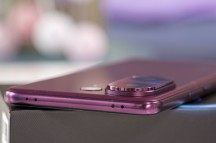
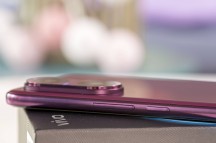
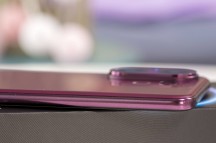
vivo V60
Other than that, you get a volume rocker and power button on the right and an empty left side. There appears to be no second speaker grill on the top frame. Even so, the V60 still has stereo speakers. The second channel is just handled by the front-firing amplified earpiece.
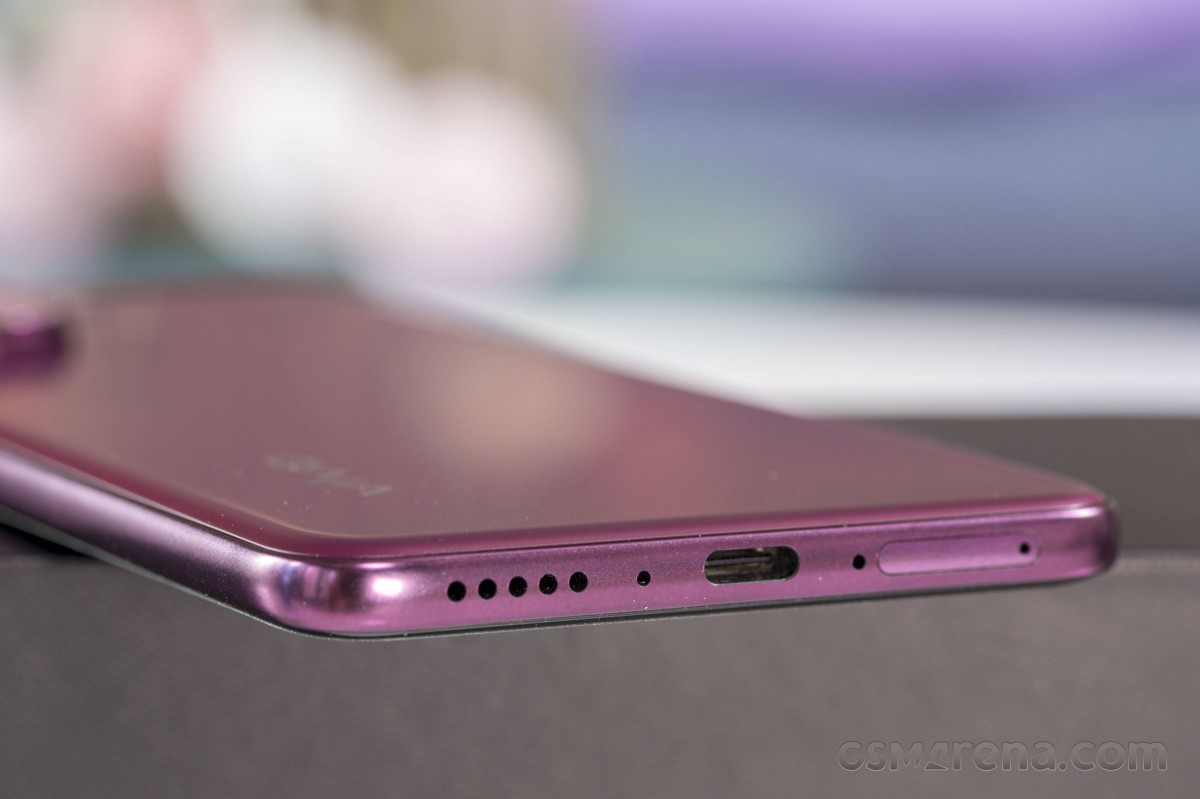
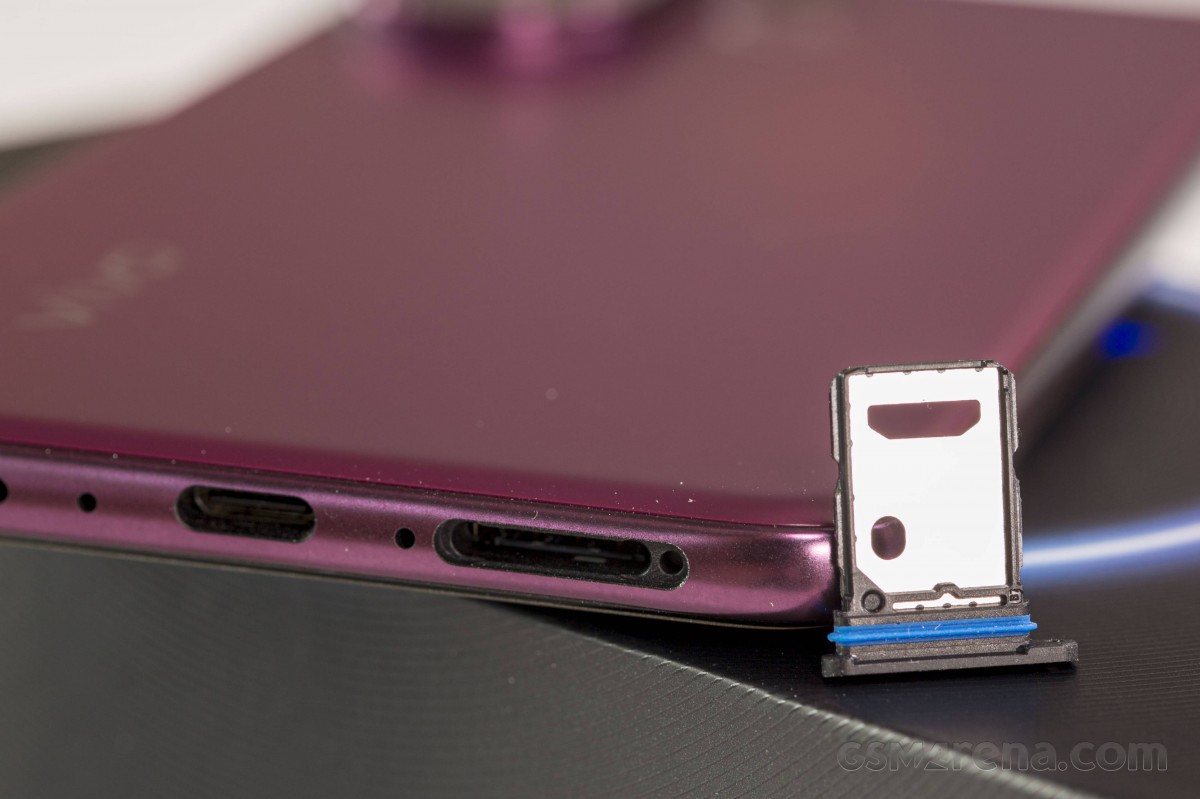
The bottom side is pretty busy with the main speaker and mic, as well as the dual Nano-Sim tray and the Type-C port.
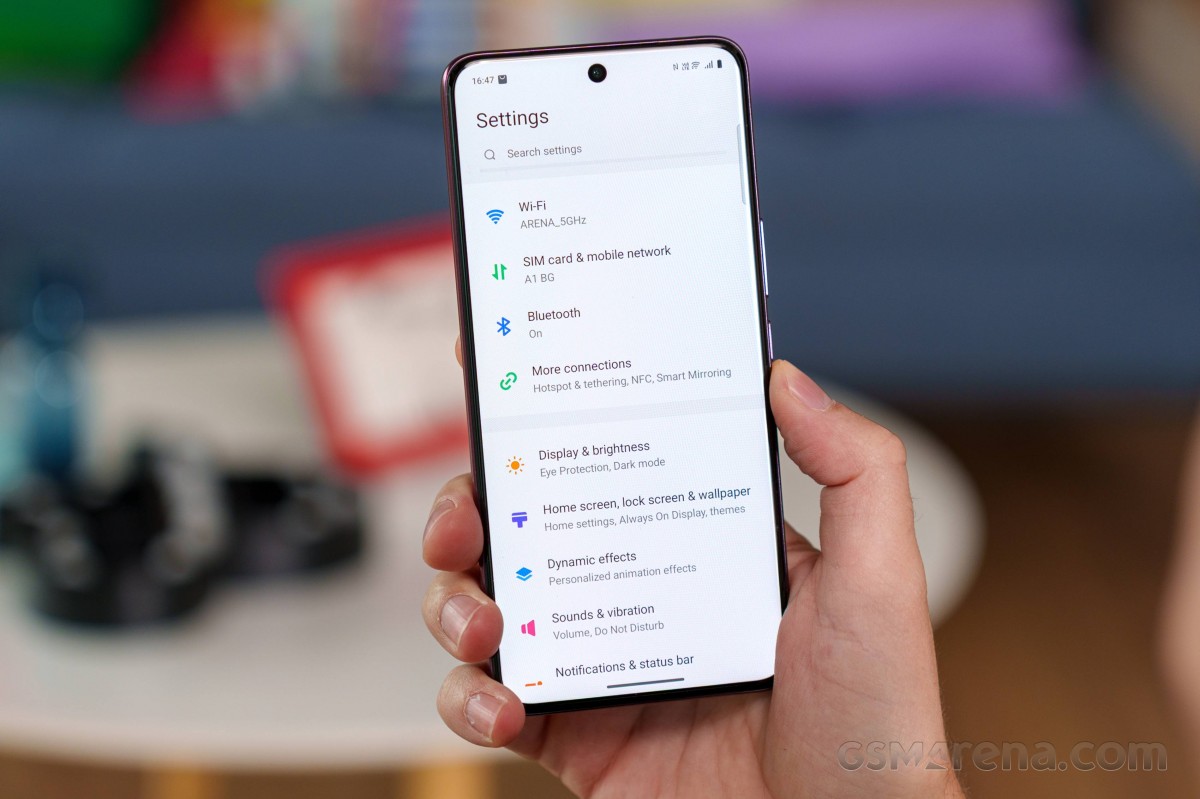
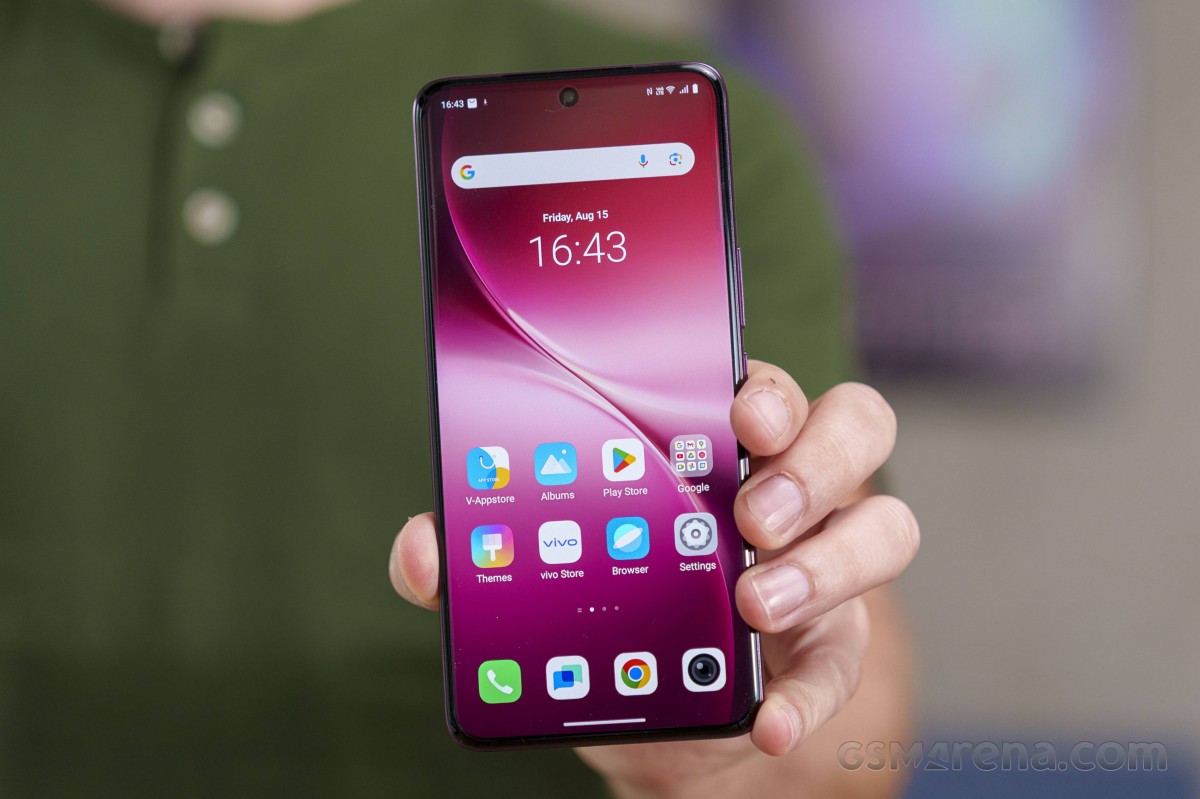
The quad-curved display is quite nice and the V60's design looks really good.
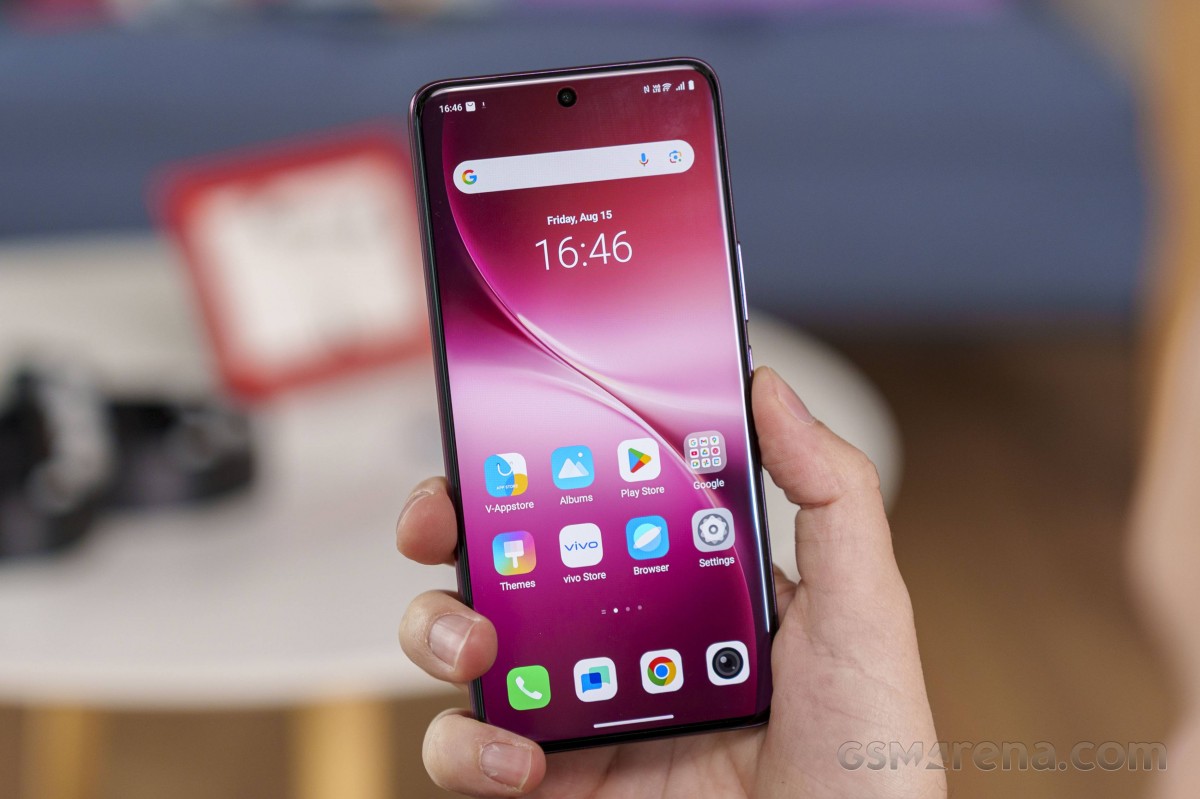
Its display bezels, while not small by any means, are still reasonable, and the same goes for the selfie punch hole. All of the sensors are nicely hidden away under the display and inside said bezels above the panel.
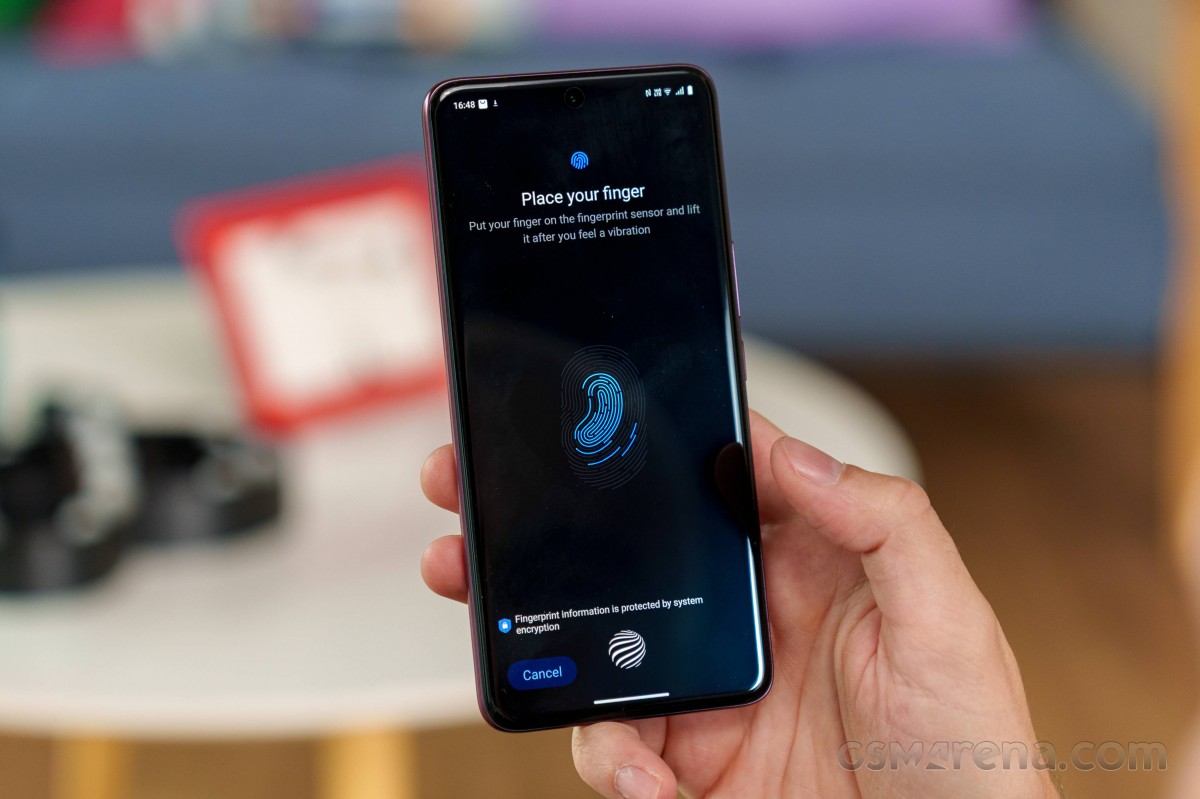
The V60 has an under-display fingerprint reader of the optical variety. It is pretty standard, works well and is quite speedy. We have no complaints about it.
Display
The display on the V60 is a real highlight of the package. It measures 6.77 inches in diagonal with a resolution of 1080 x 2392 pixels, which works out to around 388 ppi of pixel density. It is perfectly sharp in person.
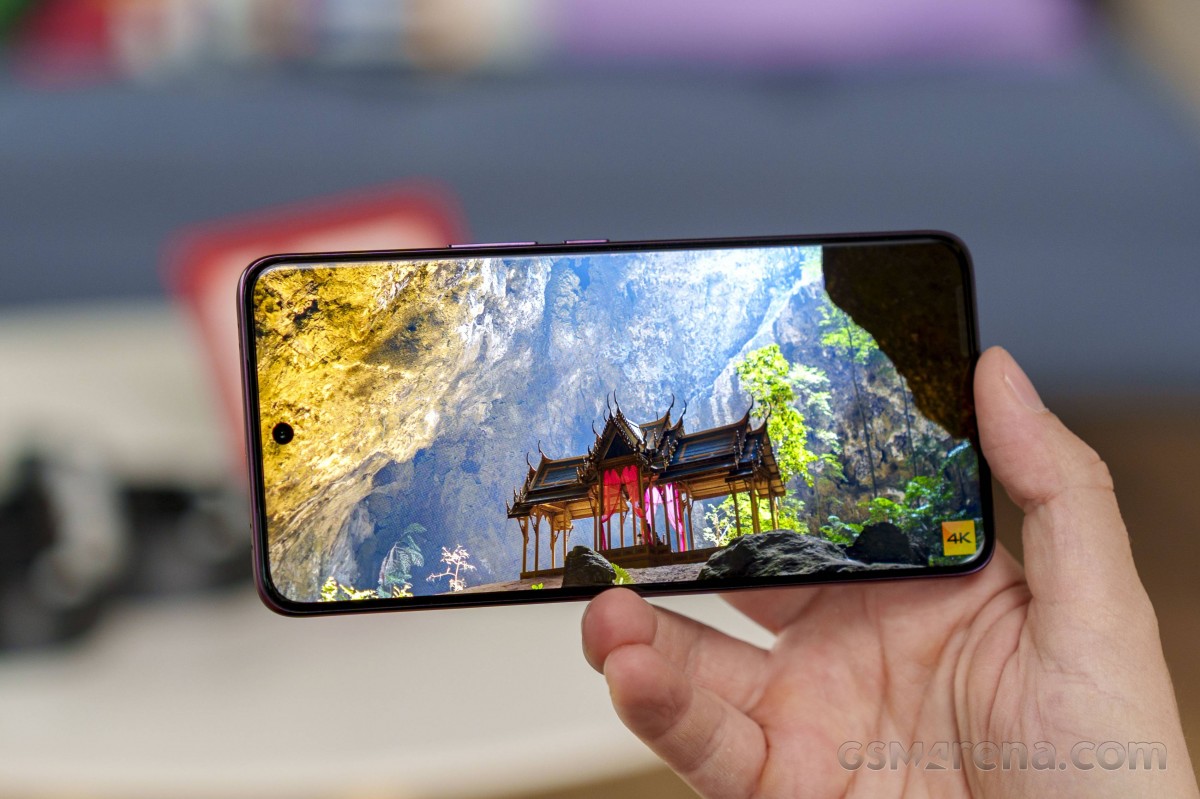
We ran our standardized display tests and got some very impressive numbers from the V60. It managed around 760 nits of brightness by maxing out the slider. In auto mode, it went up to 1456 nits, which is more than enough to be perfectly comfortable outdoors, even in direct sunlight.
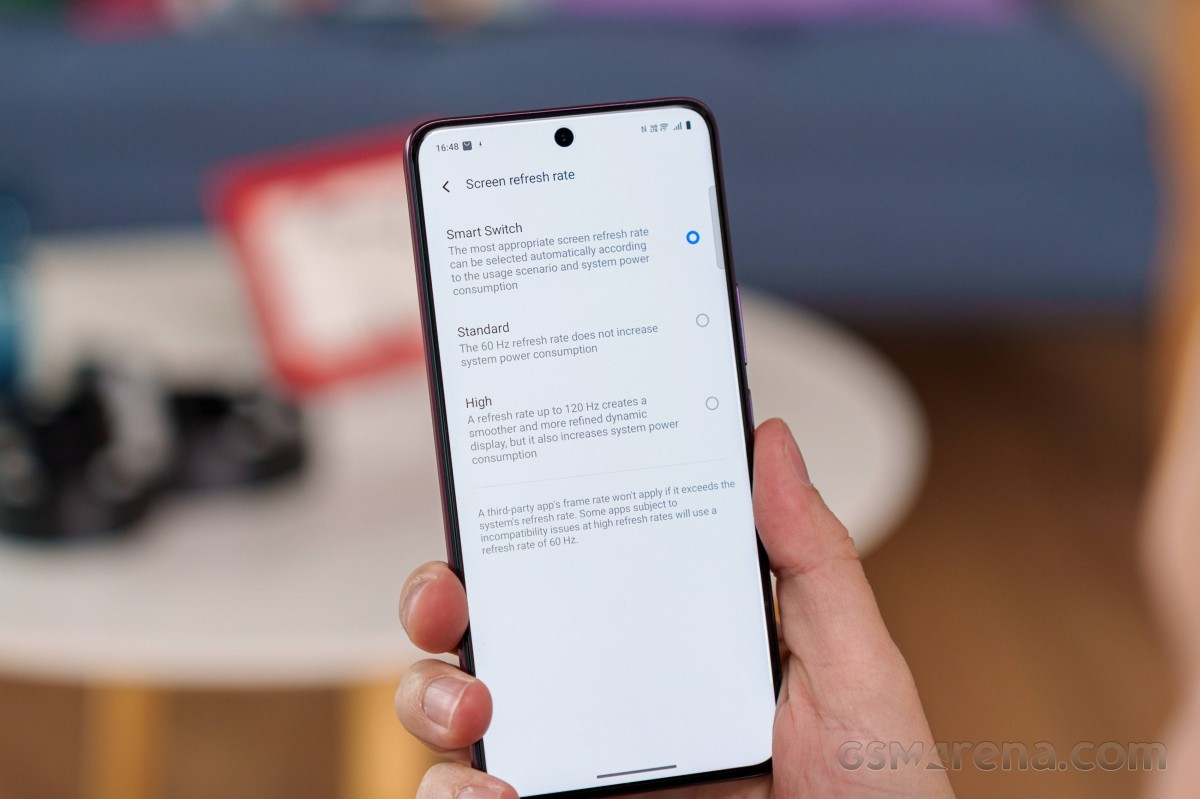
The display has a 120Hz refresh rate. The phone actually supports three refresh rate modes: 60Hz, 90Hz and 120Hz. There is no LTPO tech here, just LTPS, so you are stuck with these three refresh rates.
In terms of settings, there are three modes: Standard, High and Smart Switch. Standard just locks the refresh rate to 60Hz. Smart Switch and High can both go up to 120Hz, but Smart Switch favors 90Hz a bit more. Otherwise, both have the same switching-down logic to 60Hz when the phone is idle and no activity is visible on the screen.
Not only does the High mode favor 120Hz a bit more, but it also has a nifty per-app settings menu that allows you to set which apps you want to run at 120Hz. It works great, and using it, we managed to get all of our test game titles to run at 120Hz.
The vivo V60 has HDR10+ support on its display. In software, it reports HDR10, HDR10+ and HLG decoding capabilities (just no Dolby Vision). We are also happy to report that it has the highest possible Google Widevine L1 DRM certification, allowing apps like Netflix to offer up FullHD streams.
Battery life
The V60 has a pretty large 6,500 mAh battery on board. Vivo has been steadily increasing battery capacity year over year (5,500 mAh in the V40, then 6,000 mAh in the V50), but our overall battery scores remain roughly the same. Still, the on-screen tests on the V60 are longer than the V50 by half an hour across the board.
With an Active Use Score of almost 16 hours, the vivo V60 still offers excellent battery life. It remains among the phones with the best battery life in the segment, ranking just a notch below the Realme 15 Pro, which has the same chipset but a 7000mAh battery.
Charging speed
Vivo has stuck with its tried and true 90W FlashCharge technology for yet another generation. We have nothing against it, other than perhaps the fact that it still relies on a USB Type-A to Type-C cable rather than a modern Type-C-Type-C one - a small gripe for sure. You do get the charger in the box in most regions, which is great.
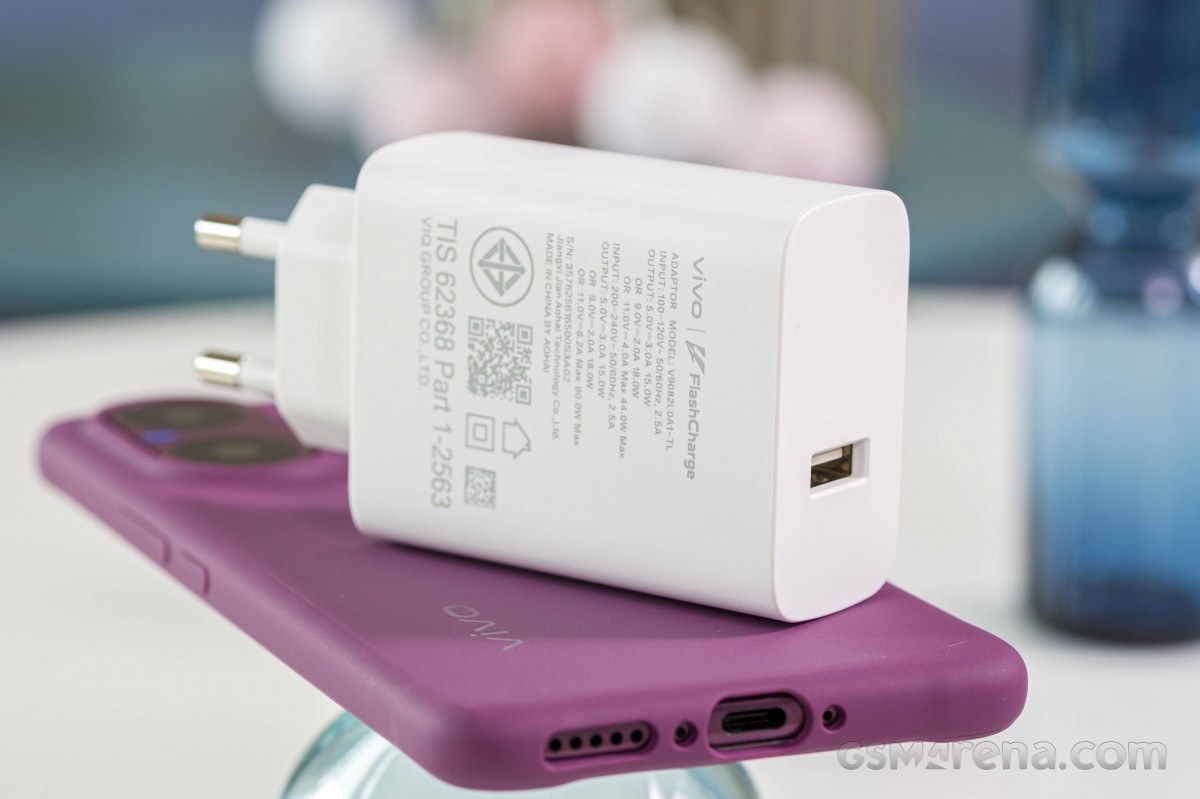
Charging is very snappy. It is basically just a couple of minutes slower than that on the V50, which is expected. Bigger batteries tend to charge a bit faster, which is offset by the fact that there is more battery to charge, so it kind of evens out in the end.
Speakers - loudness and quality
The vivo V60 has a stereo speaker setup. It is of the hybrid variety with the amplified earpiece acting as the second channel. Unfortunately, there is no speaker grill on the phone's top bezel to help with channel balance and spatial separation. One speaker is firing forward while the other downward.
In terms of performance, the V60 managed a VERY GOOD loudness score in our testing. The output is pretty clean, especially voices and speech in the mid range. The sound stage isn't particularly wide or rich, and you don't really get any bass, but at least the highs are not too distorted, even at high volumes.
It should be noted that our tests were conducted with vivo's Audio Super Resolution enabled. It definitely helps quality a bit and doesn't seem to hurt loudness in the process meaningfully.
Use the Playback controls to listen to the phone sample recordings (best use headphones). We measure the average loudness of the speakers in LUFS. A lower absolute value means a louder sound. A look at the frequency response chart will tell you how far off the ideal "0db" flat line is the reproduction of the bass, treble, and mid frequencies. You can add more phones to compare how they differ. The scores and ratings are not comparable with our older loudspeaker test. Learn more about how we test here.
Connectivity
The vivo V60 is a dual Nano-SIM device with simultaneous SA/NSA Sub-6 5G connectivity on both slots. Unfortunately, it lacks eSIM support.
For positioning, the V60 has GPS, GALILEO, GLONASS, QZSS, BDS and NavIC. Local connectivity is covered by dual-band Wi-Fi ac and Bluetooth 5.4 with LE support. There is NFC on board as well as an IR blaster. No 3.5mm audio jack or FM radio receiver, though.
The Type-C port is backed up by a simple USB 2.0 data connection, which means a theoretical maximum throughput of 480 Mbps. There is USB Host/OTG support, of course, but nothing else fancy like video output over Alt mode.
The vivo V60 has a decent set of onboard sensors. There is an ST LSM6DSVX accelerometer, a vivo-branded VSEN gyroscope, a vivo MXG4300 magnetometer and compass combo and an AMS SIP3510 ambient light sensor. Unfortunately, there seems to be no hardware proximity sensor, but rather a virtual one. This can cause problems at times with turning off the display reliably, say during calls. There is no barometer onboard.
Funtouch OS 15 on top of Android 15
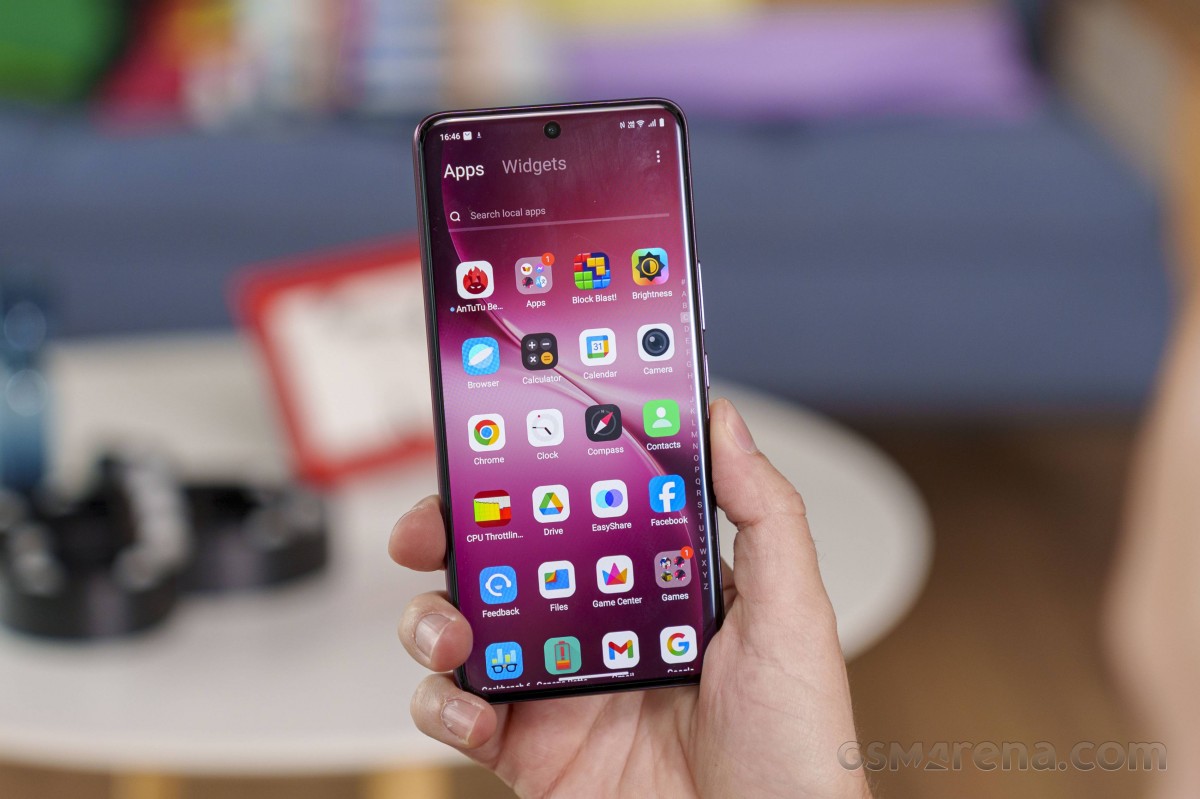
The V60 boots Android 15 with vivo's latest Funtouch OS layer on top. It goes fairly in-depth in terms of customization and features, but not in a gaudy or flashy way, which we appreciate.
The V60 comes with a software support promise of 4 major Android OS updates and 6 years of security patches, which is quite decent these days. Vivo also promises the phone will have "5 years smooth experience", which is admittedly vague, but sounds good.
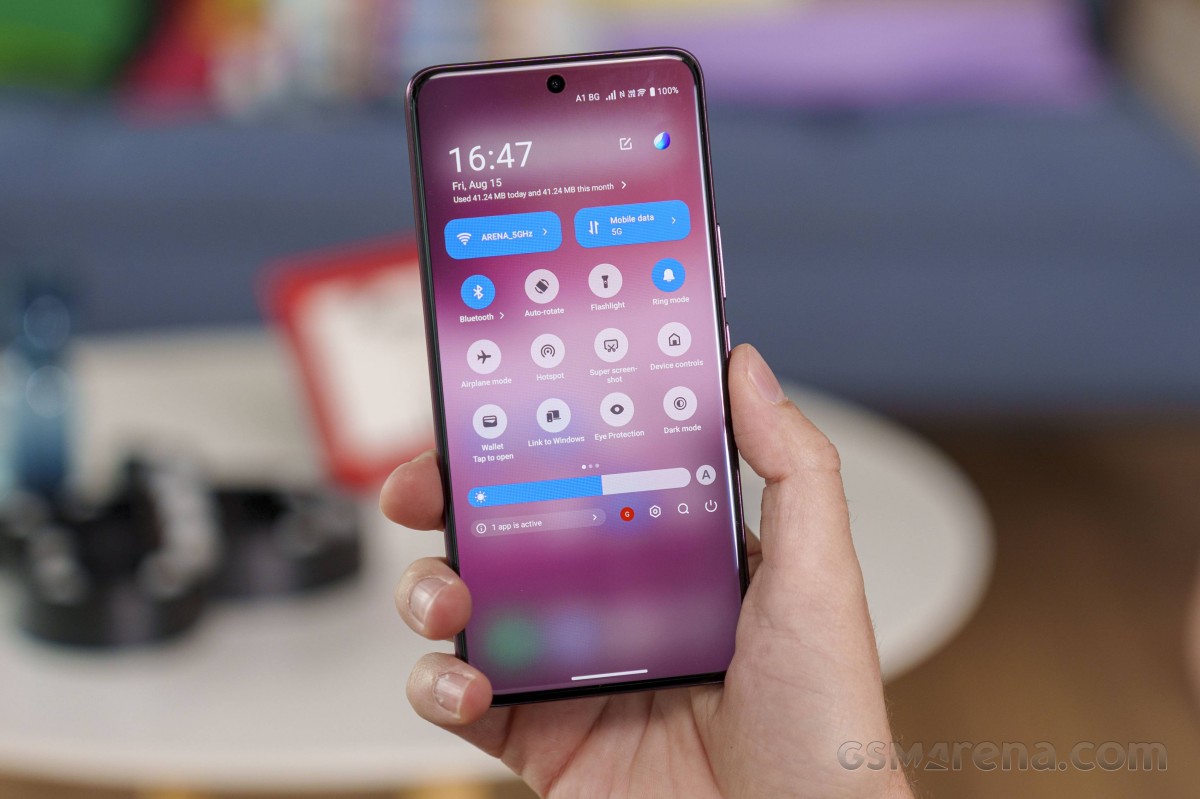
The latest Funtouch isn't much different from previous iterations in look and feel, and almost gives off a bit of a dated vibe with its visuals. Then again, you could choose to call its look "classic" instead.
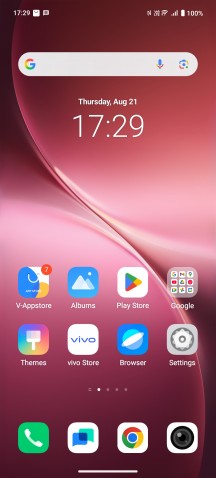
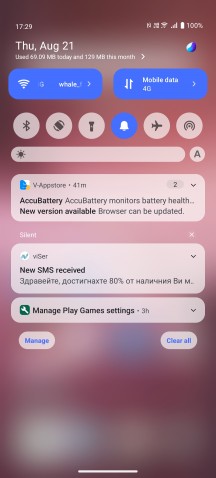
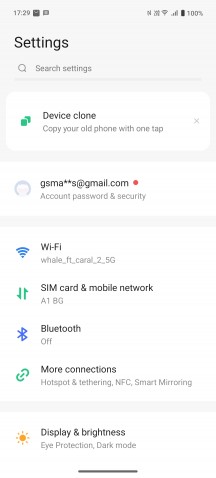
Funtouch 15
The present-day functionality is, of course, all there. Funtouch includes niceties now taken for granted, like large folders, and the split-screen/pop-up window implementation is about as straightforward as it gets, too. The app drawer is worth mentioning too, because that's where Funtouch keeps its widget selection for some reason.
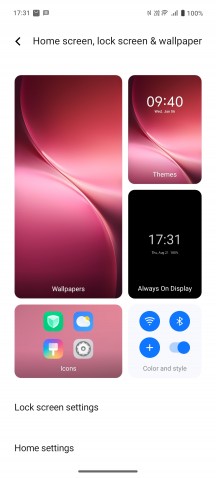
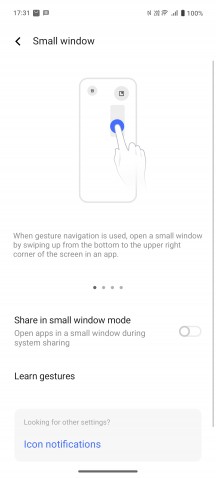
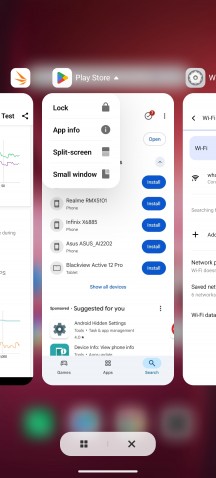
Funtouch 15
The V60 also comes with Google's Circle to search on board and the Gemini AI assistant as well. A Google Lens-powered screen translation feature is also present.
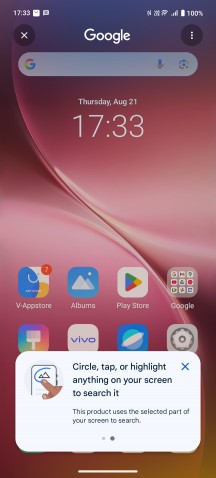
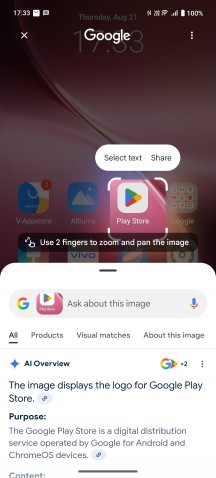

Google AI
You also get live translation of phone calls, an AI helper in the Notes app, and an AI Transcript Assist utility for making summaries out of spoken conversations. Note that all of these may be region-dependent and not present in your locale.
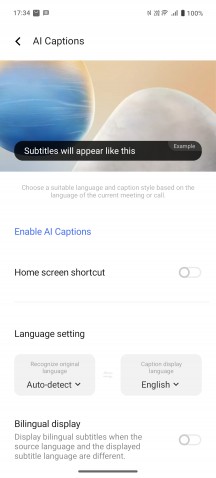

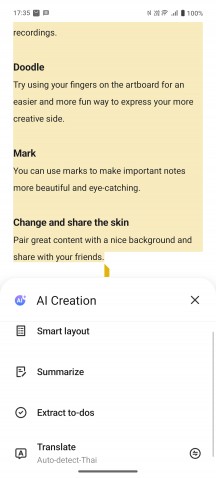
AI Captions • AI in Notes app
Also, there's some AI-powered functionality in the gallery editor. You get to delete objects, remove people, and fight reflections - all of those with varying success, of course.
AI Image Expander is present as well and does the opposite of the erasers by extrapolating content around your photo.
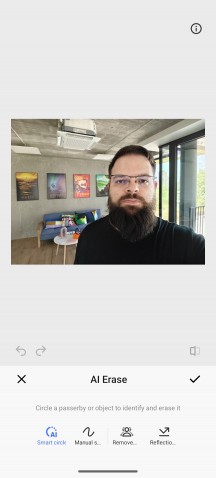
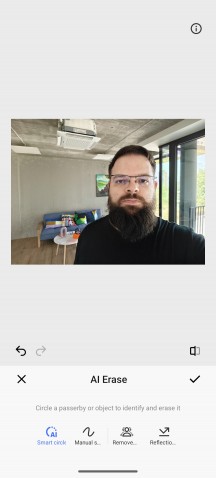
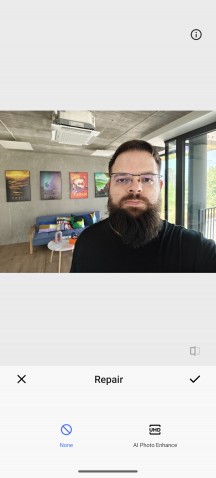
AI in Albums
Like other vivos, the V60 comes with a unique feature that allows it to copy and emulate a physical access card for say, your residential building or office. It can scan and copy your RFID card as long as it's based on NFC technology (13.56MHz). It doesn't work for 125KHz cards.
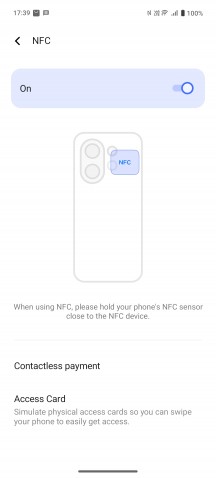

NFC
Benchmarks and performance
After sticking with the Snapdragon 7 Gen 3 for several generations, vivo finally decided to move on. The change isn't drastic or anything, but the V60 is running the Snapdragon 7 Gen 4.
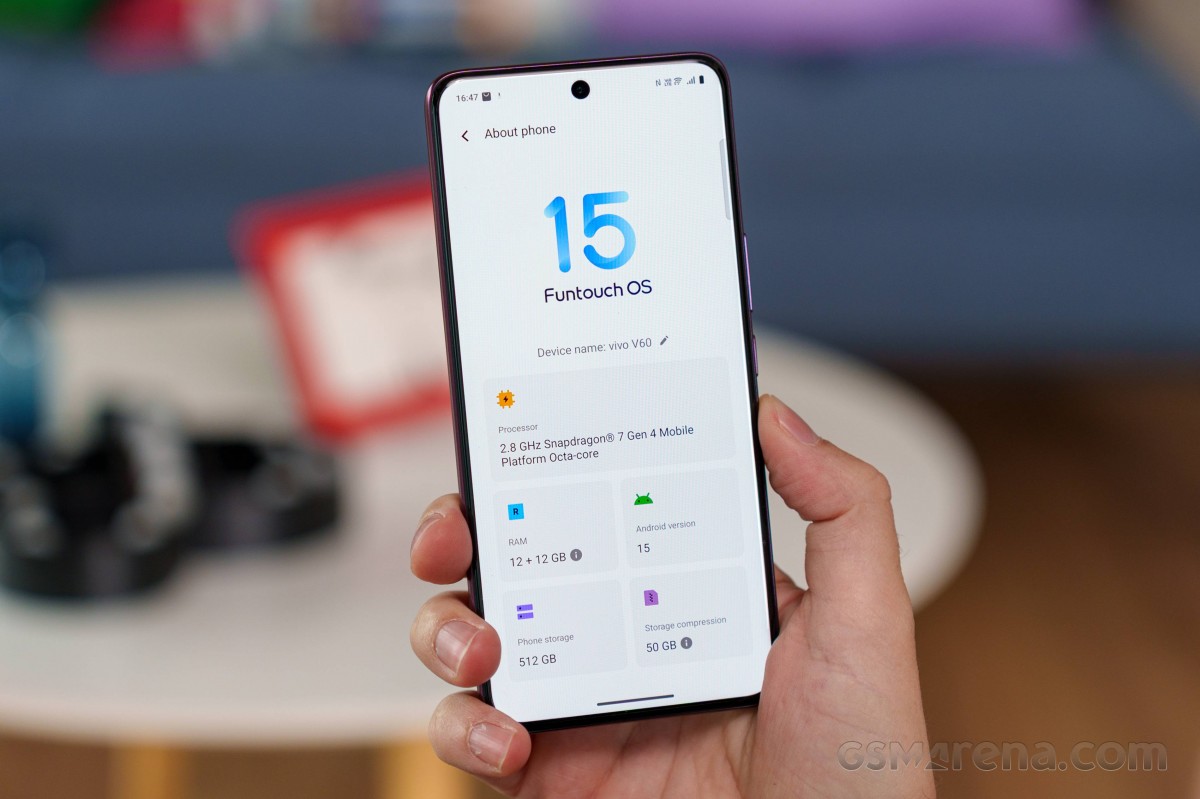
In the CPU department, you are looking at an Octa-core (1x2.8 GHz Cortex-720 & 4x2.4 GHz Cortex-720 & 3x1.8 GHz Cortex-520) setup. That is paired with an Adreno 722 GPU.
We are reviewing the 12/512GB version, but you can get the V60 in any of the following configurations: 128GB 8GB RAM, 256GB 8GB RAM, 256GB 12GB RAM and 512GB 16GB RAM. However, not all are available in every region.
The storage chips are UFS 2.2, which is not exactly ideal in terms of speed, but still decent enough.
Looking at some actual benchmark numbers, the vivo V60 definitely holds its own well amid competitors. Sure, there are standout devices in the price segment that simply blow it out of the water, but we still appreciate the boost in performance afforded by the new chip.
In CPU tests, the Snapdragon 7 Gen 4 naturally sits above the Snapdragon 7 Gen 3 and also above the Snapdragon 7s Gen 3. AnTuTu and its more comprehensive set of tests are even more favorable towards the vivo V60. The Adreno 722 offers a nice little boost over the Adreno 720 as well.
Overall, not a colossal leap forward, but a nice bump here going from the Snapdragon 7 Gen 3 to the Snapdragon 7 Gen 4.
Thermal-throttling
The vivo V60 seems to handle thermal throttling pretty well. The Snapdragon 7 Gen 4 doesn't lose a lot of its max performance even with prolonged stress testing. Its surface gets hot, but not uncomfortably so, which is great.
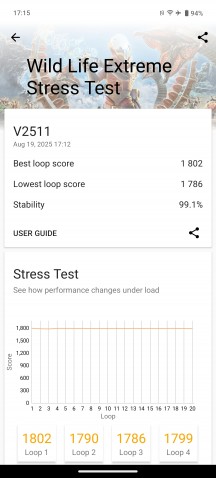
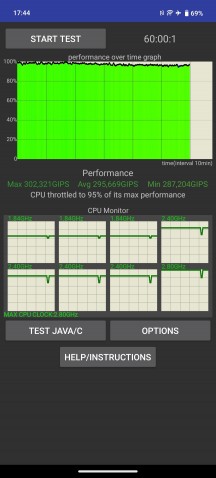
Thermal-throttling
A powerful triple camera system
The camera system has always been the highlight of the vivo V series experience, and the V60 is no different. You get a total of three cameras on the rear, including a 3x optical zoom telephoto. The cameras appear to be identical to the ones on the vivo X200 FE.
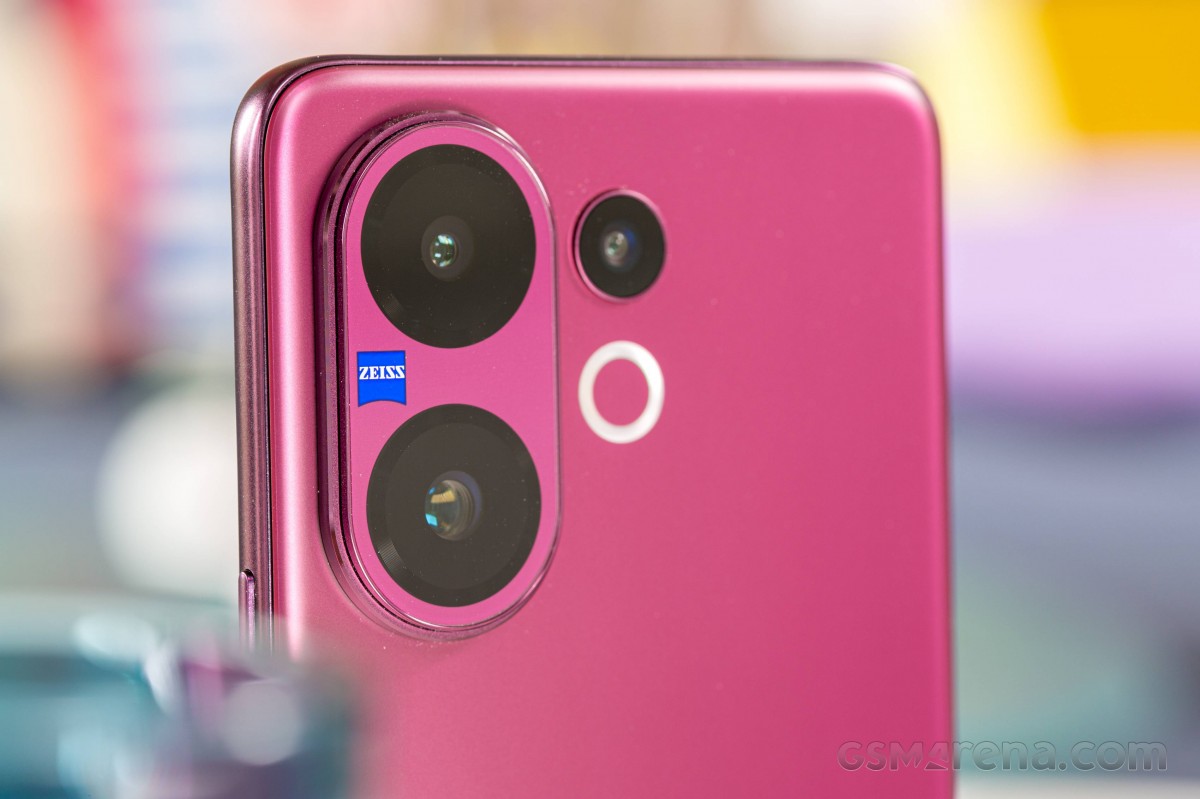
All the cameras on the V60 feature ZEISS tuning and optimizations. The main one is based on a 50MP Sony IMX766 sensor, which is a 1/1.56" sensor with 1.0µm individual pixels. It also has PDAF and OIS.
The telephoto camera is based on the 50MP Sony IMX882 sensor. That is a 1/1.95" sensor with 0.8µm pixels. It has PDAF and OIS. The lens in front is fixed at 3x zoom or 73mm, but the V60 offers zoom up to 10x from the camera UI.
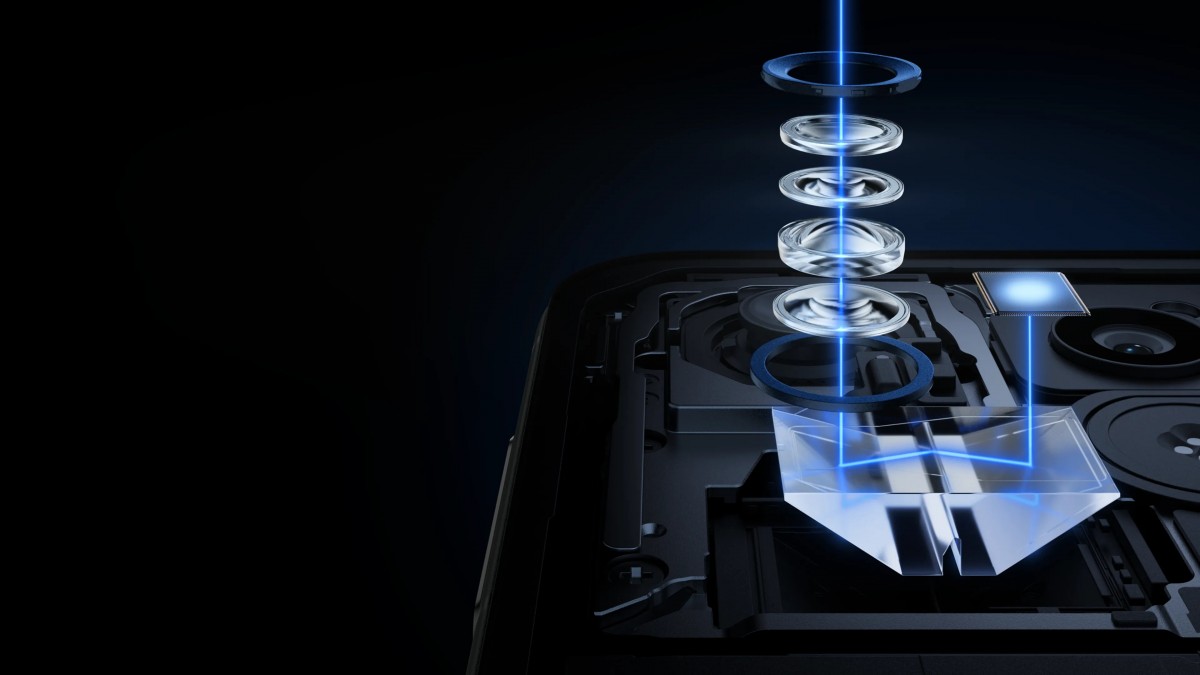
Looking at the telephoto a bit closer, you can spot the similarities to the one used inside the X200 FE, and especially, the use of an M-style prism. This makes for a slimmer module, but the tradeoff is that the telephoto has lost some of its close-focusing capability.
- Wide (main): 50 MP Sony IMX766, f/1.9, 23mm, 1/1.56", 1.0µm, PDAF, OIS; 2160p@30fps
- Ultra wide angle: 8 MP OmniVision OV08D, f/2.0, 15mm, 1/1.73", 2.1µm; 2160p@30fps
- Telephoto: 50 MP Sony IMX882, f/2.7, 73mm, 1/1.95", 0.8µm, PDAF, OIS; 2160p@30fps.
- Front camera: 50 MP Samsung S5KJN1, f/2.2, 21mm, 1/2.76", 0.64µm; 2160p@30fps
The ultrawide camera is just an 8MP unit and lacks autofocus. It is based on the OmniVision OV08D sensor. It has an f/2.0 aperture and a pretty wide 12-degree field of view.
The selfie camera seems very impressive on paper. It is a 50MP unit with autofocus. It is based on the Samsung S5KJN1 sensor, known colloquially as the JN1. It has a 1/2.76" optical format with 0.64 µm individual pixels.
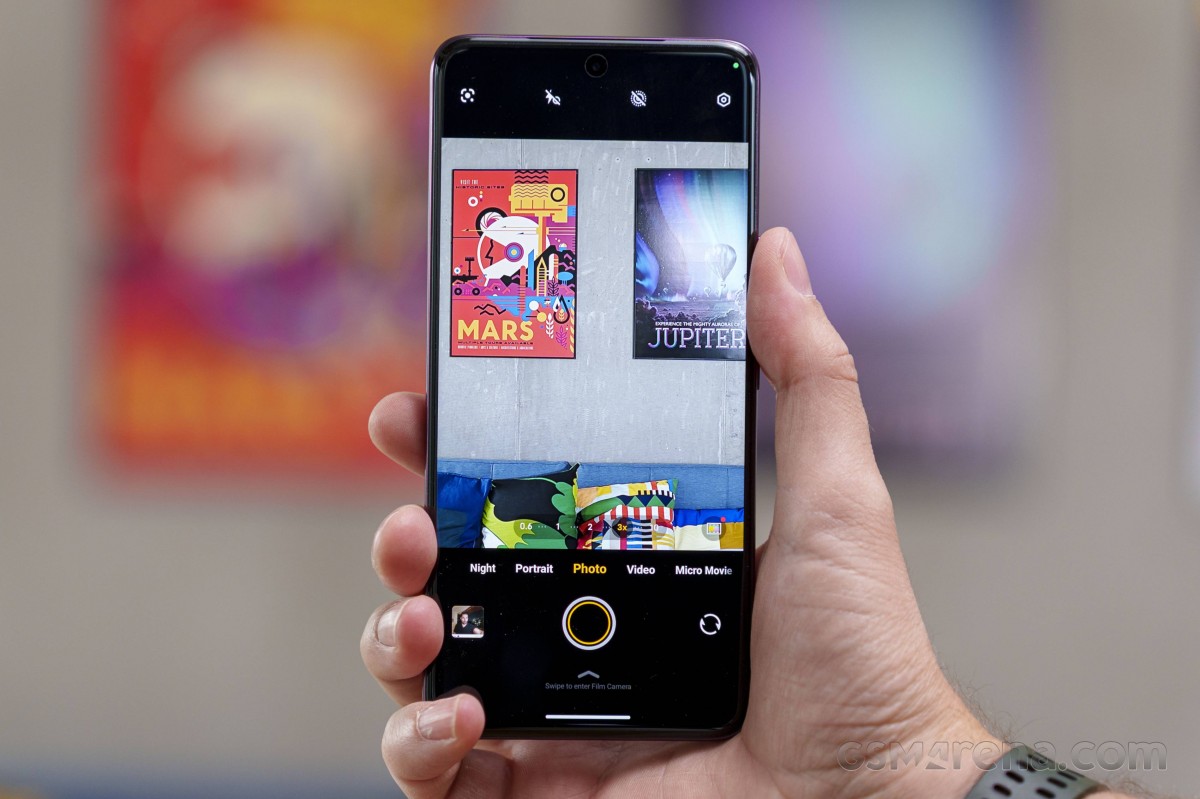
Vivo's camera UI is very well organized and orderly. Other than perhaps some awkwardness when choosing a combo of video capture resolution and camera, we find it very logical and easy to use. The Pro mode has plenty of options and is really powerful.
Daylight photo quality
Main camera
The main camera on the V60 captures binned stills in around 12.5MP by default. These look solid through and through. The detail is there. There is a bit of softness when really pixel-peeping, but frankly, we prefer it this way as opposed to aggressive artificial sharpening. It is a bit more natural a rendition.
The colors look great. Contrast is excellent. Dynamic range is good, even if a bit shy of perfect.



















vivo V60: 12.5MP main camera samples
You can force the main camera to capture in its full 50MP resolution. You do get a bit more fine detail by doing so. The rendition is even more natural on a pixel level. You do, however, lose some of the post-processing, which results in a narrower dynamic range and worse contrast.














vivo V60: 50MP main camera samples
You can do 2x digital zoom photos on the main camera, and these look surprisingly clean. Detail is very good, and the colors are identical to 1x shots as expected and pretty true-to-life. There is a bit more softness, but nothing to worry about.














vivo V60: 12.5MP main camera 2x zoom samples
Telephoto camera
The telephoto camera also captures very impressive 12.5MP binned stills. The detail is great, especially when you consider things like foliage and grass. The dynamic range is great, and so is the contrast.















vivo V60: 12.5MP telephoto camera 3x zoom samples
The colors are a bit more vibrant on the telephoto than on the main camera. We kind of prefer the punchier look personally.
There is a 50MP capture mode for the telephoto as well, but it is a bit useless in our opinion. You don't really get more detail, nor is the processing drastically different.














vivo V60: 50MP telephoto camera 3x zoom samples
The camera UI offers 10x zoom readily available. Their shots aren't particularly good, with lots of sharpening layers on top of otherwise blurry, often out-of-focus bits of the image.














vivo V60: 12.5MP telephoto camera 10x zoom samples
Portrait photos
Before we move away from the main and telephoto cameras, we should discuss the portrait shots. The V60 captures some excellent portraits with both its main and telephoto cameras. You get 23mm, 35mm, and 50mm presets for the main camera and 85mm and 100mm for the telephoto.
Quality is solid throughout. Skin texture comes through very detailed, and skin tones are nice and natural. Subject detection and separation are spot on, and the quality of the background blur is great.




















vivo V60: 12.5MP main and telephoto camera portraits
Ultrawide camera
The 8MP ultrawide camera is the weakest link here. While shots look decent enough at 100%, zooming in quickly reveals a lot of softness, not enough detail and quite a bit of noise. The dynamic range and contrast are also far from ideal. We would probably shy away from using this ultrawide camera unless really necessary.















vivo V60: 8MP ultrawide camera samples
Selfie camera
The 50MP autofocusing selfie camera is incredibly potent not only on paper but in practice as well. Faces come out sharp and with excellent detail. Skin tones look perfect. We literally have no complaints. The V60 is a powerful selfie and vlogging machine, probably among the best in its class. No question about it.






vivo V60: 12.5MP selfie camera samples
Low-light camera quality
The main camera captures very good low-light photos. The detail is great, and there is very little noise. There is a lot of rather aggressive sharpening going on, but we don't exactly dislike the overall look. Colors look solid, and so does the dynamic range. Light sources are handled well.



vivo V60: 12.5MP main camera low-light samples
The V60 has an automatic night mode that triggers very dependably and does its job well. However, there is also a manual Night mode. Its processing is very similar to that of the automatic variant. You do get longer capture times and more photo stacking, which results in slightly sharper and cleaner photos on average, but very marginally so. You are plenty good just sticking to auto mode as well.



vivo V60: 12.5MP main camera night mode samples
At 2x digital zoom, photos still look surprisingly clean and are absolutely usable in every capacity.



vivo V60: 12.5MP main camera 2x zoom low-light samples
Here are the night mode samples as well. Again, perhaps slightly better, but not consistently so.



vivo V60: 12.5MP main camera 2x zoom night mode samples
Moving on to the telephoto camera, once again we get very clean, detailed and sharp photos with practically no noise. Perhaps a bit darker than ideal on average, but that's just us nitpicking.



vivo V60: 12.5MP telephoto camera low-light samples
Once again, night mode helps slightly most of the time. But not dramatically so.



vivo V60: 12.5MP telephoto camera night mode samples
We did try 10x digital zoom, since it is readily available right there in the camera UI, and honestly, we are surprised by the results. No major blurriness or softness, and great detail and dynamic range. Color us pleasantly surprised.



vivo V60: 12.5MP telephoto camera 10x zoom low-light samples
Again, night mode helps just a little bit, perhaps producing slightly brighter photos on average.



vivo V60: 12.5MP telephoto camera 10x zoom night mode samples
We can't say we are particularly impressed by the ultrawide, though. Its shots are messy and noisy with limited detail. Probably skip unless you really need them.



vivo V60: 8MP ultrawide camera low-light samples
And no, night mode does not magically fix these photos.



vivo V60: 12.5MP ultrawide camera night mode samples
Low-light selfies are solid through and through with lots of detail and great skin texture, as well as solid skin tones.




vivo V60: 12.5MP selfie camera low-light samples
Honestly, we prefer low-light selfies without night mode enabled. It's just a personal preference, but the latter looks a bit too bright more often than not.




vivo V60: 12.5MP selfie camera night mode samples
Video capture quality
The vivo V60 can capture video at up to 4K@30fps on all of its cameras, except for the ultrawide, which tops out at 1080p@30fps. The main and telephoto cameras can also do 1080@60fps, and the selfie camera too.
By default, videos get saved with a HEVC/h.265 video stream at around 25Mbps plus a stereo AAC audio stream inside a standard MP4 container. Of course, you can also flip over to AVC/H.264 for better compatibility at the expense of bigger file sizes.
You can check out the playlist below, which includes multiple video samples.
4K video from the main camera is solid, even if not truly impressive. The detail is good, and so are the colors and dynamic range. There is practically no noise.
2x zoomed video from the main camera is a bit softer and a bit noisier, but otherwise pretty good and comparable to 1x footage.
4K footage from the telephoto camera is decent, but it looks just a bit out of focus pretty consistently. It's almost like there is a slight lens defect, which might very well be the case and hence likely limited to our unit. Other than that, colors are great, and so is contrast.
FullHD ultrawide video is underwhelming in every respect. It's not particularly detailed, and both contrast and dynamic range are poor.
The V60 has two levels of video stabilization. The standard one works at every resolution and on every camera and is, frankly, perfectly adequate. We never felt the need to reach for Ultra stabilization, which is limited to 1080p and really degrades video quality.
The main camera's 4K low-light video is excellent. The detail is great, and so are the colors. There is practically no noise. 2x zoomed videos are a bit softer with a slight noise creep, but still very much usable. The same goes for the 3x videos from the telephoto. The footage is not absolutely sharp, but it is still quite good in all other respects. Ultrawide video is very dark, almost unusably so. There is actually almost no noise, which is great, but that's about it.
Conclusion
The vivo V60 feels like the most complete entry in the V-series to date. Vivo has been steadily refining the formula year after year, and this time it lands with a phone that genuinely punches above its weight. The highlights are easy to point out - the dedicated 3x telephoto camera, still rare in this segment, joins an already solid main shooter and an outstanding selfie unit to make the V60 one of the best-rounded camera phones in its price class. If you're into vlogging or social video creation, the autofocus, 4K selfie video, and ZEISS-tuned optics are hard to beat.
Battery life is right there at the top thanks to the huge 6,500 mAh cell, while the 90W charging is more than fast enough to keep downtime short. The display is excellent too, with brightness levels that rival or exceed much pricier flagships, HDR10+ support and smooth 120Hz refresh. Add proper IP68/IP69 sealing and a slim, lightweight build for the battery size, and you've got a device that is both practical and stylish.
Performance is solid with the Snapdragon 7 Gen 4 - not a giant leap forward, but a much-needed step up after sticking with the 7 Gen 3 for so long. It keeps things smooth and modern, especially paired with long software support.
There are, of course, a few weak points. The ultrawide camera is nothing special and clearly lags behind the rest of the setup. The storage is still UFS 2.2 in a world where competitors have moved on, and vivo continues to rely on a virtual proximity sensor, which can sometimes misbehave. The lack of eSIM support also stings a little in 2025.
Still, these are relatively minor complaints in the bigger picture. For around €400, the vivo V60 offers an enviable balance of design, durability, performance, battery, and - above all - imaging versatility. If you want a phone that looks good, lasts long, and takes great photos and videos without stretching your budget into flagship territory, the V60 is very easy to recommend.
Pros
- Slim and lightweight body for the huge 6,500 mAh battery; IP68/IP69 protection.
- Bright and color-accurate 120Hz AMOLED, HDR10+ certified, great brightness.
- Excellent battery life; 90W fast charging.
- Solid performance with Snapdragon 7 Gen 4; long software support (4 OS upgrades, 6 years security).
- Great main camera with OIS, excellent portraits, class-leading 50MP telephoto with OIS.
- High-quality 50MP AF selfie camera with 4K video, excellent for vlogging.
- Stereo speakers with clean output; IR blaster, NFC.
Cons
- Ultrawide camera is a weak point - low detail, no autofocus, noisy in low light.
- Still limited to UFS 2.2 storage while rivals already use faster standards.
- No eSIM support.
- A virtual proximity sensor can be unreliable in calls.


